
The tension between Reform UK’s populist anti-immigration stance and its underlying capital structure lays bare the deepening, often opaque integration of Middle East and North Africa (MENA) sovereign wealth, ultra-high-net-worth (UHNW) private capital, and crypto-linked liquidity into Western political infrastructure, with material implications for regional investment governance and cross-border capital flows. While the party’s public rhetoric centers on curtailing migration from MENA states and reducing international institutional influence, its largest disclosed donor—Christopher Harborne, a Thailand-based crypto investor holding a 12% stake in Tether, the stablecoin with outsize adoption across MENA remittance corridors and informal digital asset markets—has contributed over £22 million to the party since 2024, making him the largest single donor to any UK political party in history. This includes an undeclared £5 million gift to leader Nigel Farage, disclosed months after his successful 2024 parliamentary bid, which is now under investigation by the House of Commons standards commissioner. Farage’s repeated public promotion of Tether aligns directly with the digital asset’s growing use case across MENA startup ecosystems, while his UAE-sponsored travel to Abu Dhabi in December 2024 for meetings with Emirati leadership—focused on shared opposition to the Muslim Brotherhood—signals a strategic pivot by MENA capital to hedge geopolitical risk through direct engagement with rising Western populist movements, bypassing traditional diplomatic channels.
Further down the party’s capital stack, Dubai-based Lebanese-Nigerian billionaire Bassim Haidar—whose primary business headquarters sit in the UAE’s global financial hub—has emerged as a top-tier donor, most recently covering £55,000 in travel costs for Farage and aides to attend a U.S. speaking engagement, per UK parliamentary registries. For MENA institutional investors, this dynamic creates a dual-track risk: concentrated political exposure to Western populist movements that may shift policy on crypto regulation, remittance controls, or sanctions frameworks, even as regional sovereign wealth funds and VC firms increasingly allocate capital to UK fintech and political risk advisory assets. The UK’s proposed temporary ban on cryptocurrency donations and £100,000 annual cap on expatriate donor contributions, prompted by the Harborne disclosure, will disproportionately impact MENA-based UHNW individuals and crypto-native investors who have historically used UK political channels to signal alignment with transatlantic policy shifts, potentially redirecting that capital to regional VC vehicles or Gulf-based political engagement platforms. Farage’s promotion of Tether, which is widely held by MENA retail and institutional crypto investors, further blurs the line between political advocacy and regional digital asset adoption trends.
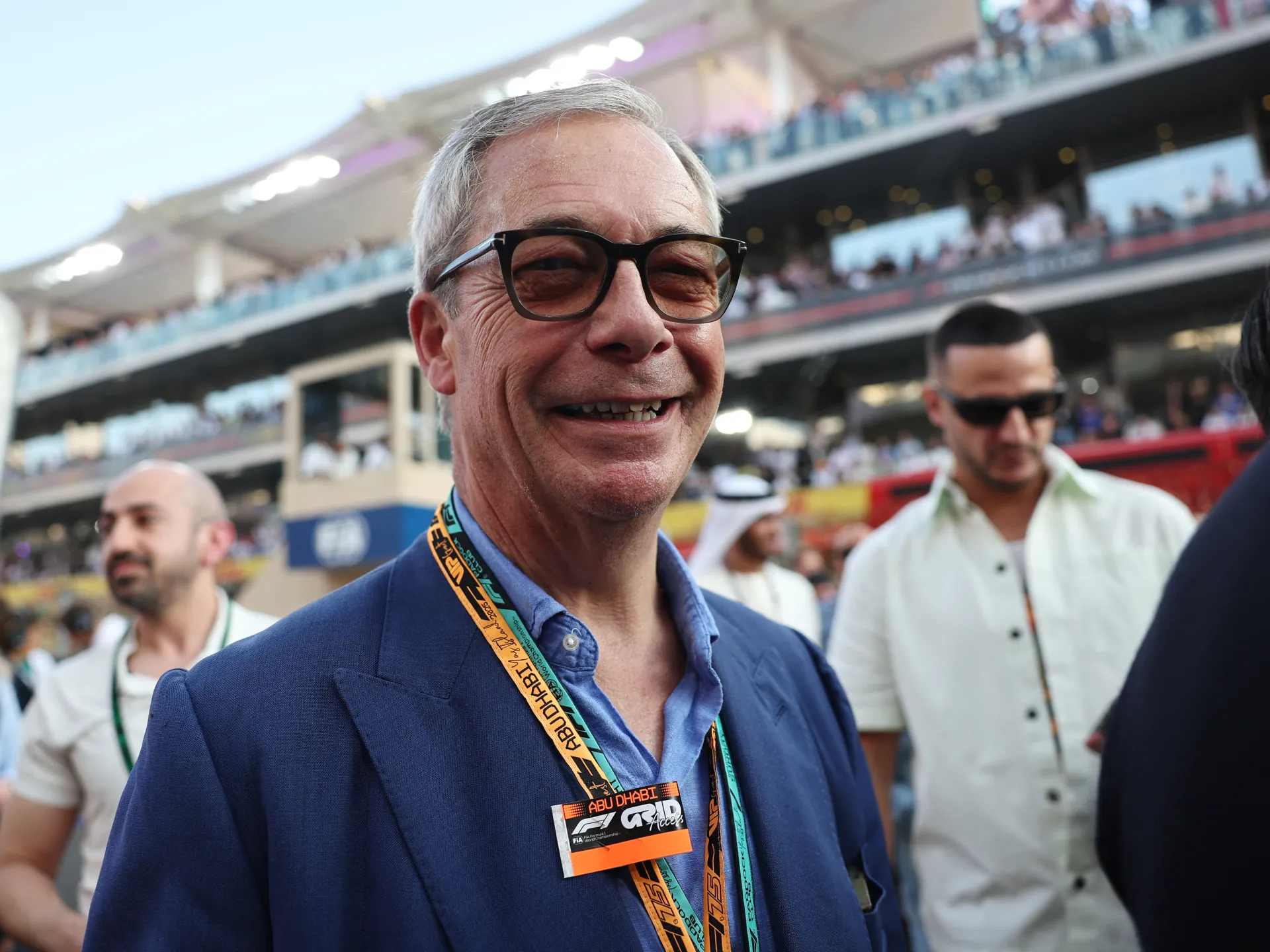
Sovereign capital flows linked to the Reform UK engagement underscore a broader shift in MENA foreign policy: Gulf states are increasingly bypassing traditional diplomatic corps to build direct ties with fringe Western political actors, a strategy that carries material implications for regional infrastructure partnerships, including UAE-UK fintech sandbox collaborations and Saudi-led NEOM-adjacent investment vehicles. The December 2024 Abu Dhabi trip, funded entirely by the UAE and arranged by Reform treasurer Nick Candy, centered on shared opposition to the Muslim Brotherhood—a long-standing policy priority for multiple Gulf sovereigns—highlighting how private political donations and sponsored travel now function as extensions of MENA statecraft, with parallel effects on regional VC allocations to counter-extremism tech, digital governance startups, and blockchain infrastructure projects. For MENA financial regulators, the UK’s faltering political donation transparency regime—criticized by Transparency International UK as “no longer fit for purpose” amid opaque crypto gifts and weak lobbying rules—serves as a cautionary benchmark, as regional sovereign wealth funds and family offices accelerate compliance frameworks for cross-border political exposure to avoid reputational contagion from Western populist movements.