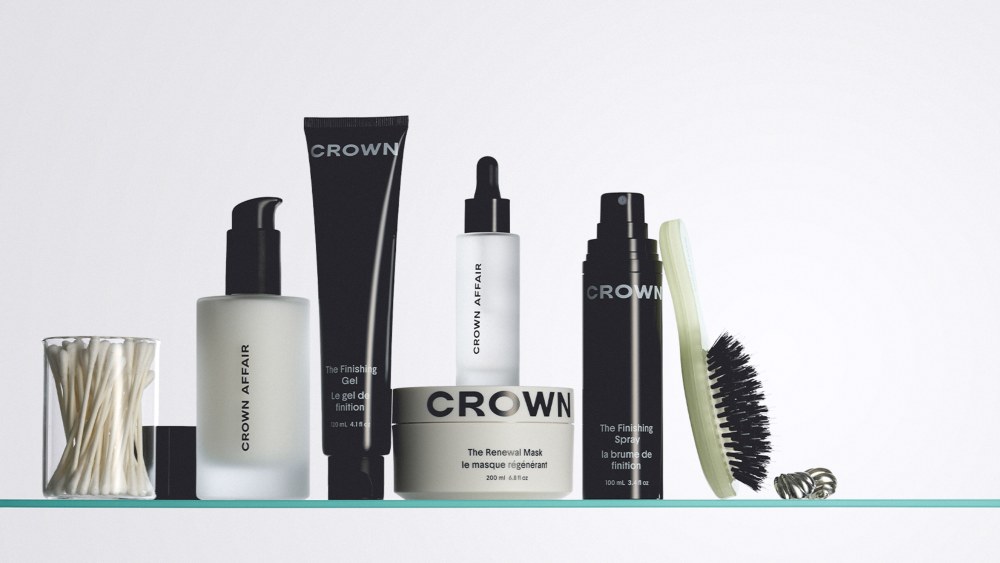

Crown Affair’s $56 million Series C, led by Stride Consumer Partners, is less a headline about prestige hair care than it is a signal flare for where sovereign and venture capital in the MENA region is headed. As Gulf sovereign wealth funds and Abu Dhabi-based family offices expand their mandates beyond energy and real estate into consumer-facing brands with sticky, ritualistic engagement models, the acquisition calculus is shifting from infrastructure megaprojects to category-defining companies that can anchor long-duration portfolios. Crown Affair’s positioning at the intersection of the skinification of hair care and premium channel distribution gives it the kind of durable moat that appeals to GIC-class and Mubadala-style allocators who are under explicit pressure to demonstrate diversification into Western consumer brands with global scalability.
Stride Consumer Partners’ participation—joining True Beauty Ventures and others—underscores a broader pattern in MENA venture capital: U.S. and European growth-stage funds are increasingly co-investing alongside regional capital as Gulf LPs demand co-investment rights and board-observer roles in brands that align with domestic premiumization trends. The Sephora rollout, and Crown Affair’s deliberate coastal-to-mass migration strategy, maps directly onto the regional playbook where Gulf retail infrastructure—Amazon Saudi, Noon’s beauty vertical, and the UAE’s aggressively expanding luxury omnichannel footprint—mirrors the distribution logic required to take a U.S. prestige brand into MENA markets where per-capita hair care spend is still a fraction of the developed world.
What matters most here is the timeline. Founder Dianna Cohen’s insistence on restraint and the board’s patience with a “slow and steady” product development cadence reflects the very discipline that regional sovereign funds, particularly those managing the Saudi Public Investment Fund’s consumer sector allocations, are now demanding of portfolio companies: brand equity over speed-to-market, unit economics over vanity metrics. If Crown Affair can sustain its Sephora shelf productivity gains while expanding into the Gulf’s prestige retail corridors, it becomes a de-risked vehicle for MENA capital seeking exposure to Western beauty innovation without the operational burden of building a brand from scratch.
The inflection point Cohen identifies for 2025 is not merely a brand milestone—it is a calibration moment for the broader MENA investment thesis in premium consumer. As regional infrastructure matures—cold-chain logistics, digital-first beauty commerce, and localized formulation capabilities—the threshold for sovereign and venture capital to back a Western prestige brand with regional distribution ambitions drops considerably. Crown Affair’s Series C is, in effect, the first credible data point that this thesis is investable at scale.