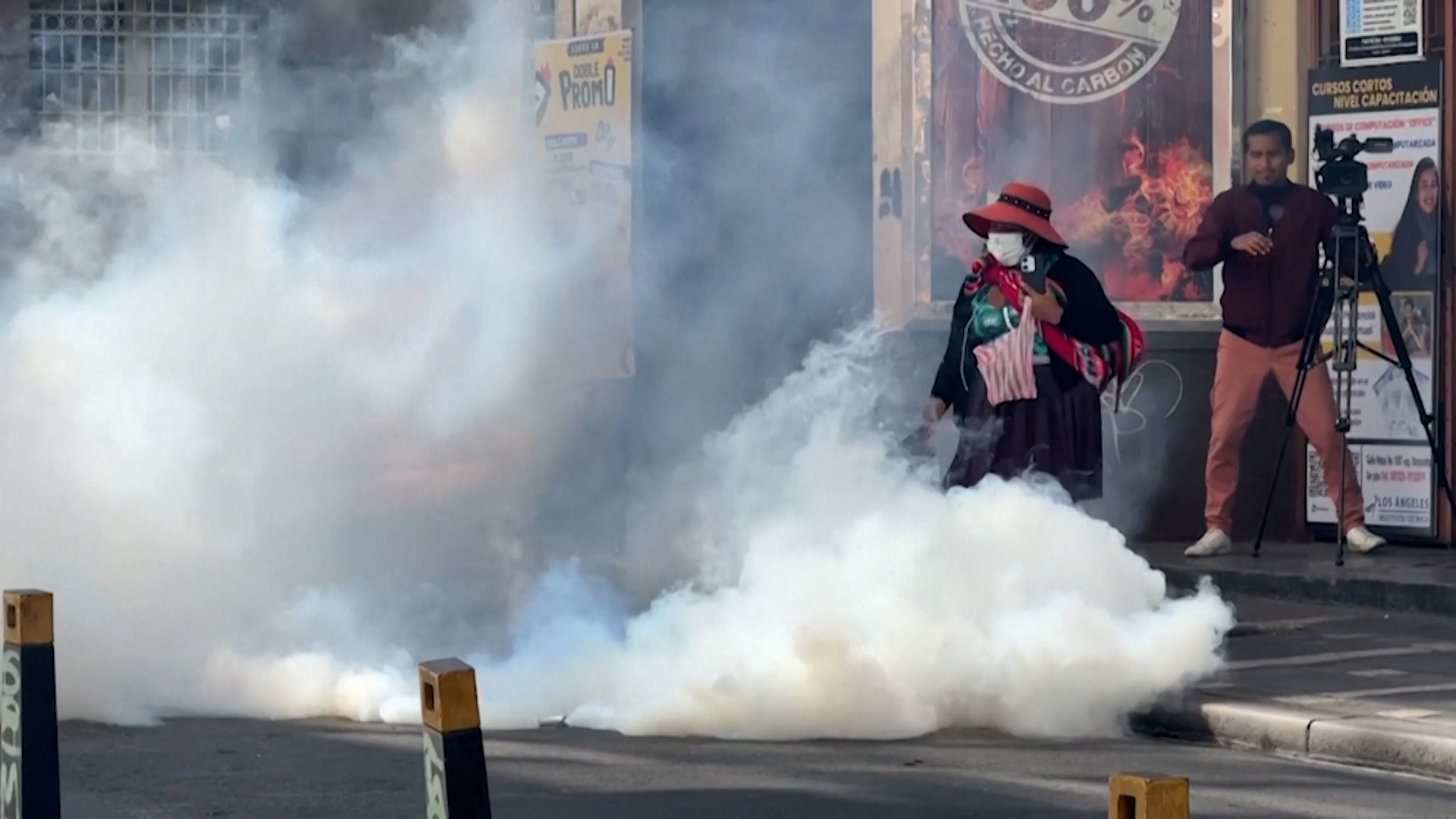

The escalating protests in Bolivia, driven by demands for comprehensive state-funded education and sweeping labor reforms, carry significant economic ramifications for resource-dependent economies in the Middle East and North Africa (MENA). While the immediate disruptions are confined to La Paz, the underlying tensions between fiscal consolidation, social welfare demands, and economic growth potential mirror challenges faced by MENA states reliant on volatile hydrocarbon revenues. Regional policymakers must assess the potential for similar labour unrest and public sector reform pressures, particularly as sovereign wealth funds (SWFs) in the Gulf increasingly prioritize long-term social stability preservation over pure profit maximization in their investment horizons.
Sovereign capital deployment strategies across the GCC are likely to undergo heightened scrutiny in response to such global social unrest. The Bolivian model of demanding state-funded public services underscores the critical need for MENA SWFs, like Abu Dhabi Investment Authority or Public Investment Fund of Saudi Arabia, to actively integrate social impact mitigation into their portfolio diversification frameworks. This necessitates greater allocation towards domestic infrastructure, healthcare, and education projects that demonstrably enhance regional resilience, ensuring that rapid sovereign wealth accumulation does not exacerbate social disparities or fuel similar destabilizing protests domestically. The trajectory of Bolivian negotiations will serve as a critical case study for Gulf wealth stewardship.
Concurrently, venture capital activity within MENA’s burgeoning tech sector is poised for strategic recalibration. Bolivian demands underscore a growing global imperative for tech solutions addressing fundamental societal needs – education accessibility, labour market efficiency, and agrarian modernization – areas ripe for disruptive innovation. MENA VCs and accelerators will pivot towards funding startups offering scalable, state-integrated platforms for public service delivery, digital workforce training, and smart agriculture logistics. Simultaneously, infrastructure implications for the region are profound; MENA’s multi-billion dollar urban development and transport mega-projects must incorporate robust frameworks for public consultation and grievance redressal to preempt the type of systemic breakdown witnessed in Bolivia, ensuring economic mega-projects translate into durable social contracts rather than catalysts for future unrest.