
Warning: This story contains descriptions of sexual assault that some readers may find disturbing.
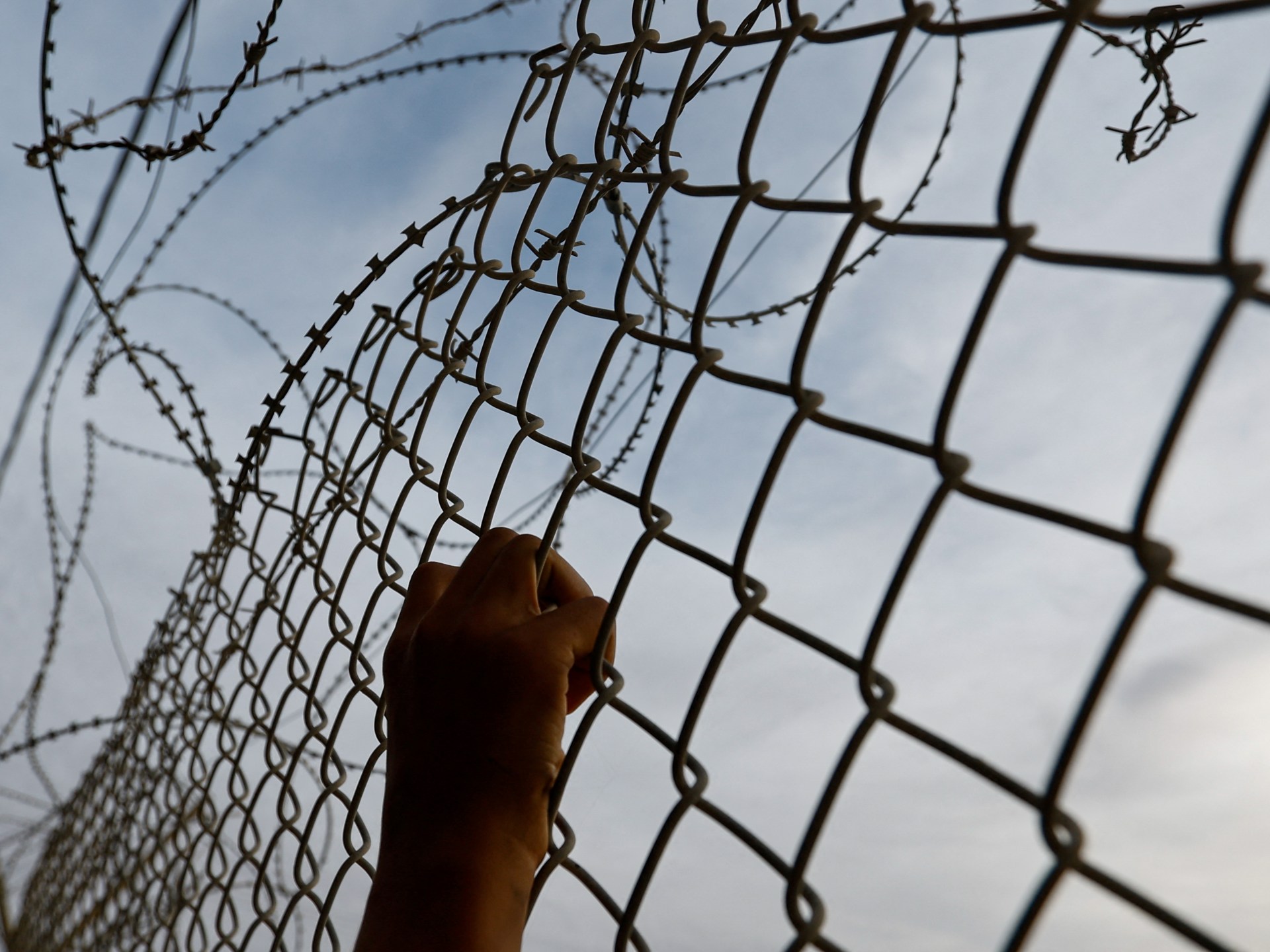
The 83 per cent surge in Palestinian detainees held in Israeli facilities since the start of the current conflict—rising to over 9,600 as of last month, up from 5,250 pre-war, including 350 children and 3,530 administrative detainees held without charge—has become a critical input for MENA sovereign capital and venture allocation strategies. Documented testimony from former detainees, including verified accounts of systematic sexual violence, torture, and dehumanizing treatment published by Euro-Med Human Rights Monitor and the Ramallah-based Women’s Centre for Legal Aid and Counselling, is forcing a reassessment of exposure to Israeli-linked assets across the region’s $3.2tn sovereign wealth fund complex. Institutional investors are now factoring in elevated reputational and regulatory risk premiums for any cross-border infrastructure or venture deals tied to entities operating the detention system, with several Gulf-based sovereign vehicles already freezing new Israeli tech and real estate commitments pending independent human rights audits. This repricing is extending to MENA’s $1.8bn H1 2024 venture capital ecosystem per MAGNiTT data, where the Palestinian tech corridor—which attracted $47m in venture funding in 2023 per the Palestine Startup Initiative Fund—is facing acute disruption. Founders and engineers in the West Bank and Gaza report deployment delays linked to arbitrary detentions, including cases of aid workers and tech talent detained at distribution points such as Rafah, where a 17-year-old minor was held while seeking food for his family. Regional VC funds backed by sovereign capital, including Saudi Arabia’s Jada and Abu Dhabi’s ADQ Ventures, are reallocating dry powder to stable Gulf markets while earmarking $120m in dedicated reconstruction tech allocations for post-conflict fintech, edtech, and healthtech deployments in conflict-affected zones.
Regional infrastructure planning is undergoing a parallel shift, as damage to Gaza’s power, transport, and digital networks—coupled with the disruption of aid delivery routes linked to detention activity at distribution points—accelerates sovereign investment in hardened, sovereign-controlled logistics and digital public infrastructure. MENA sovereign infrastructure funds are prioritizing $4.1bn in committed cross-border aid corridors, mesh network deployments, and satellite connectivity projects to reduce reliance on volatile border crossings and traditional telecom bottlenecks. The systematic nature of detention abuses, confirmed by legal advocates testifying from The Hague, is also driving new compliance mandates for regional infrastructure contractors, with sovereign procurement frameworks now requiring third-party human rights audits for all projects involving Israeli supply chain partners, adding an estimated 12-18 per cent to upfront compliance costs per Dubai-based advisory firm MEED. For MENA’s institutional financial sector, the reputational risk of inaction on verified human rights violations is translating into tangible balance sheet pressures, as EU and US regulators signal potential sanctions on entities linked to uncharged administrative detention and systematic abuse, pushing sovereign wealth funds to leverage $1.2tn in liquid reserves to prioritize human rights stability as a core pillar of long-term risk-adjusted return models.