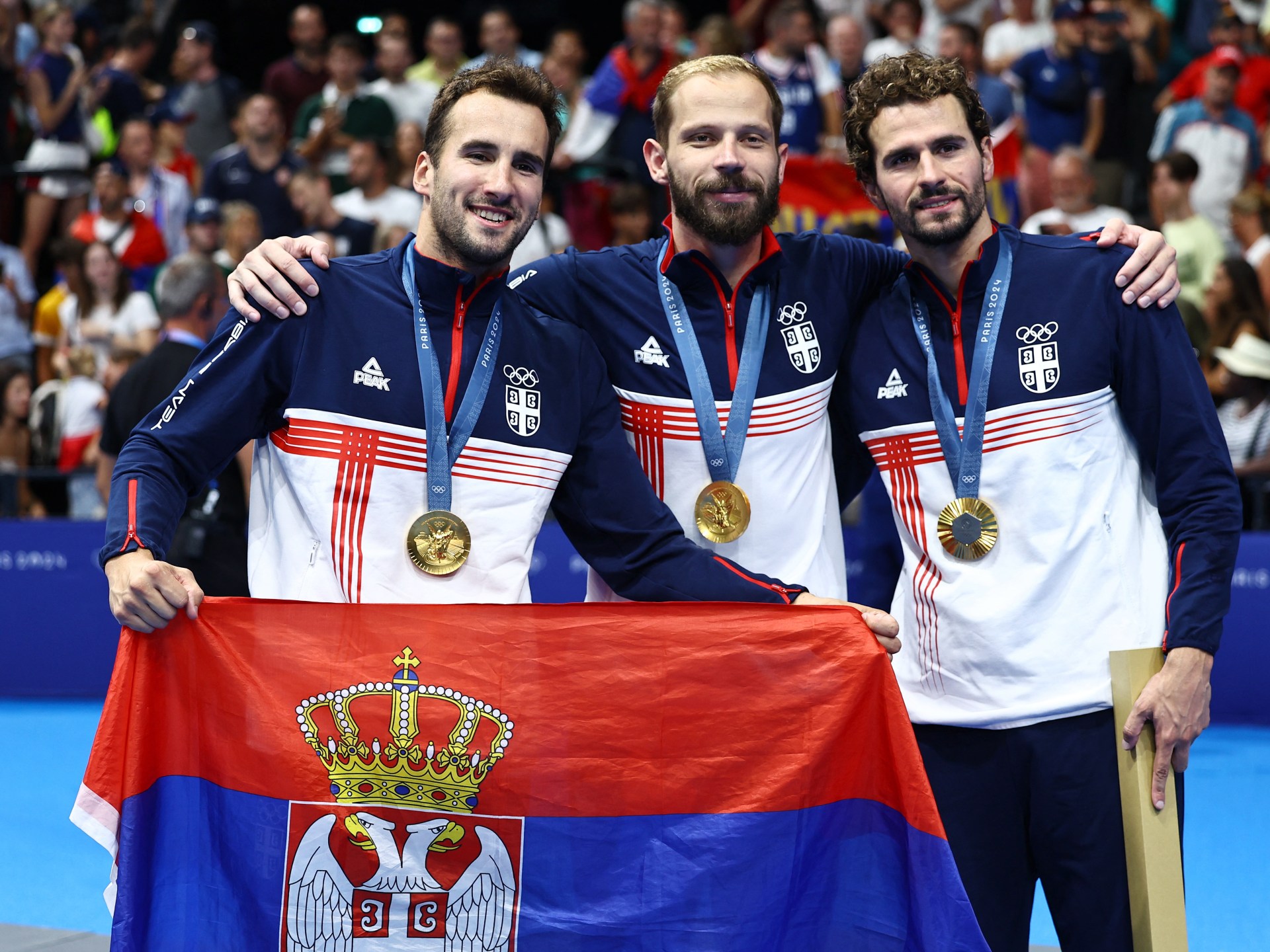

The recent turmoil within Serbia’s water polo federation has cast a shadow over the sport’s storied history and rankings teams. The resignation of the men’s Olympic water polo head coach and the subsequent boycott by 11 members of the European gold medal-winning squad—one of the world’s most respected teams in the sport—has underlined growing tensions and dissatisfaction within the federation leadership. The crisis, which has seen a historic failure in qualifying for the World Cup finals, is not merely a sporting incident; it could have wider implications for the region, digital service providers, and infrastructure development.
At the core of this unfolding saga, outspoke former and current national team players have expressed their grievances publicly, accusing the newly appointed federation chief, Slobodan Soro, of attempting to “discredit and belittle” the team’s achievements. Their statement, which carries the weight of “years of great sacrifice,” not only forges a personal bridge with millions around the world but also presents a challenge to the soft power and international standing of the sport in the region. This power, which often figures in regional diplomacy and economic stability, has seen Serbia’s water polo success boost the image and visibility of the sport in the Middle East and North Africa (MENA) region.
The appeal to respect on these matters is not merely vocal; it is a call to traditional values of integrity and achievement, which are closely aligned with the business ethos in the MENA region, where risk aversion and loyalty to capital can hinge on perceived reliability and proven track records. Let us entertain a scenario where the marketplace is confused by insurrection and discord. Even if the immediate sports edge may not be affected, the long-term implications of such instability can be dire. This could raise questions regarding the import of such infrastructures within a free flow of commerce, impacting VCs and sovereigns trying to establish a foothold in the region. The sentiment that a team’s worth should transcend momentary inspiration, champions a parasitism of the system that chases upon the foundation of consistency—one that local governments must navigate with care.
Hence, the image drawn by the water polo crisis is not unique to Serbia, but resonates closely with regional experiences. Today’s businesses in the MENA region eye future-proof investments and infrastructure projects with cautious prospects. The key concern is that while regional bodies rely on soccer and water polo to boost tourism, education, and the creative economy, the resultant market instability could follow through such spectacles. Amid growing regional diversification plans underpinned by sovereign wealth funds and increased venture capital involvement, maintaining a stable external business environment ranks high atop the regional agenda, ensuring that peace ensues from layers of agreements — from architectural infrastructure to human capital.
In building a panacea for such a convulsion, stakeholders in the region must reconstituate and reimagine how sports can be woven into national fabric that fosters singular economic narrative and trust. For Serbia’s turmoil is, after all, a lens through which we view how sports and businesses alike can thrive or falter in the complex ecosystem of regional politics and globalisation.