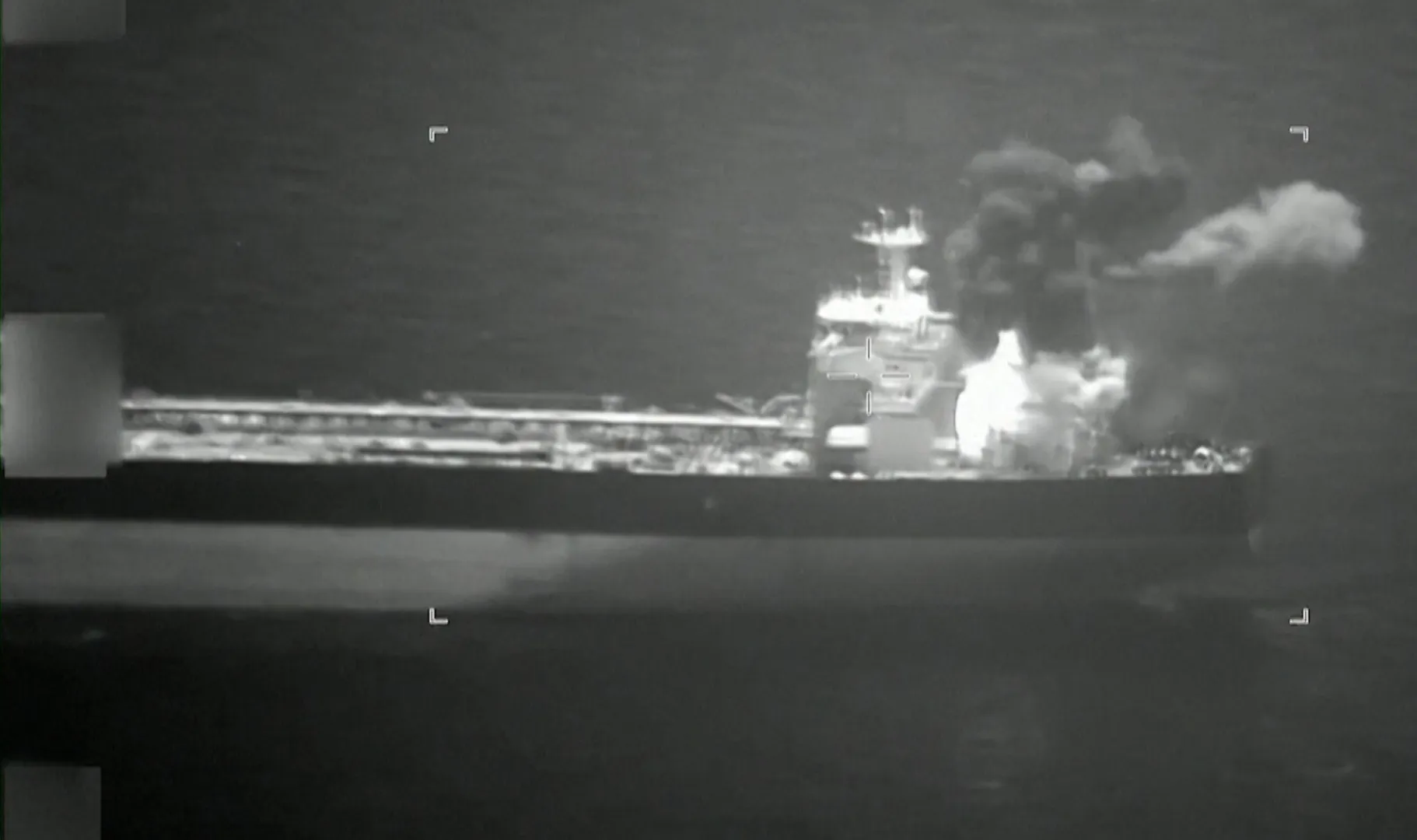

The latest escalation in the Strait of Hormuz represents a critical inflection point for Middle Eastern energy markets and the broader regional economy, with immediate ramifications for sovereign wealth fund allocations and infrastructure investment strategies across the GCC. The disruption to Iranian crude exports, following US military intervention targeting tanker navigation capabilities, has introduced significant volatility into an already fragile equilibrium governing global oil supply chains. For regional sovereign capital allocators managing approximately $3.2 trillion in assets, the incident underscores the urgent need to diversify away from hydrocarbon-dependent revenue models while simultaneously capitalizing on the resulting price dislocation through strategic energy sector investments.
Gulf petro-states are witnessing accelerated deployment of their sovereign wealth vehicles into strategic infrastructure projects, as prolonged maritime insecurity threatens the $1.7 trillion annual seaborne oil trade that underpins regional fiscal stability. The UAE’s Mubadala and Saudi Arabia’s PIF have already begun redirecting capital toward alternative shipping corridors and port infrastructure investments spanning from Oman to Egypt, seeking to mitigate supply chain risks while capturing enhanced logistics margins. This infrastructure recalibration presents both opportunity and vulnerability for regional venture capital ecosystems, particularly fintech and logistics startups positioned to capitalize on the emerging need for real-time supply chain intelligence and alternative payment mechanisms that bypass traditional banking corridors.
The technology investment landscape across MENA faces heightened scrutiny as limited partners reassess exposure to geopolitical risk in portfolio construction. Venture capital inflows, which reached $4.8 billion across the region in 2025, may experience temporary retrenchment as institutional investors prioritize capital preservation amid escalating military tensions. However, this creates selective opportunity for deep-tech and cybersecurity ventures, particularly those addressing maritime domain awareness, energy infrastructure protection, and alternative commodity trading platforms that offer blockchain-based settlement mechanisms reducing counterparty exposure.
Long-term infrastructure implications extend beyond immediate security concerns to encompass fundamental shifts in regional economic integration strategies. The GCC’s integrated infrastructure vision, predicated on seamless cross-border commerce and digital connectivity, now requires substantial revision to account for persistent chokepoint vulnerabilities. Sovereign capital commitments to transnational rail networks, fiber optic connectivity projects, and dual-use infrastructure assets will likely intensify over the next 24 months, representing a $150 billion realignment opportunity for construction conglomerates and infrastructure financiers. The private equity and venture ecosystem’s ability to adapt to this new security paradigm will determine which market participants emerge as viable long-term partners for sovereign capital deployment.