
Recent U.S. airstrikes against Iranian targets in the Gulf underscore a widening strategic divide that extends far beyond conventional military skirmishes. Iran’s primary threats—missile and drone proliferations, proxy militias and repeated assaults on regional infrastructure—continue to jeopardise sovereign assets while simultaneously challenging the Gulf’s shift toward market‑driven governance. The attacks are less about instant retaliation and more a calculated effort to destabilise a growing constellation of states that are reshaping the MENA economic landscape.
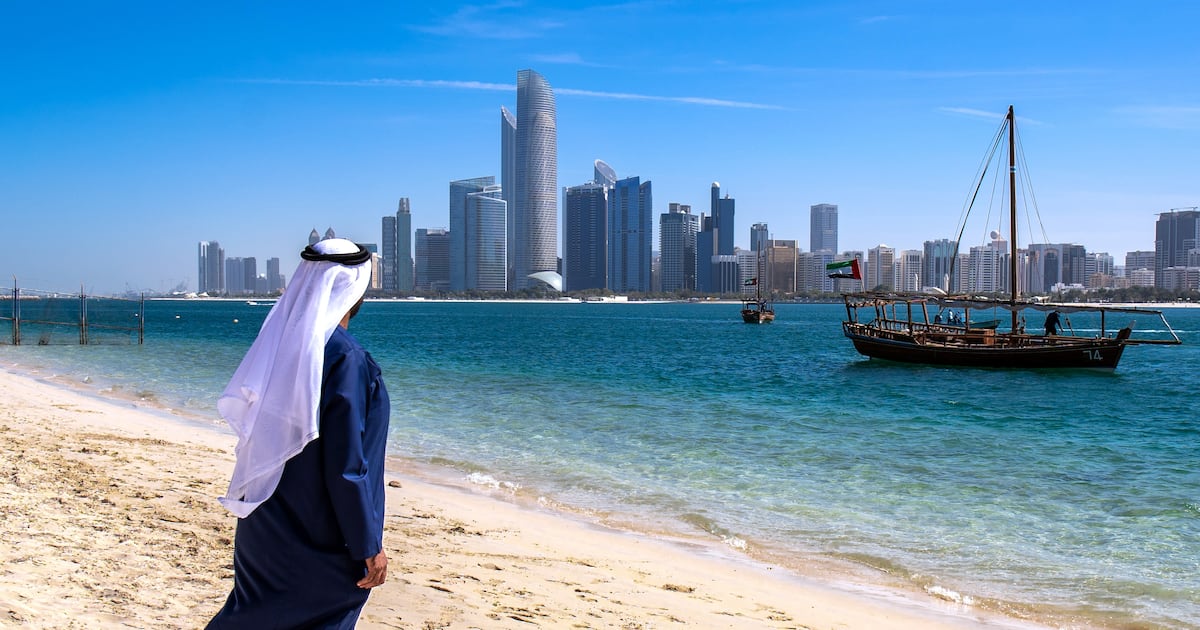
Saudi Arabia, the United Arab Emirates, and Qatar have invested billions in diversifying away from hydrocarbon dependence through finance, technology, logistics and tourism. This transformation has attracted sovereign wealth funds and venture capitalists alike, positioning the Gulf as a hub for global talent and capital. In contrast, the Iranian regime remains constrained by rigid religious doctrine and the vertical control exercised by the Islamic Revolutionary Guard Corps. The stark divergence in governance models has become an axis of geopolitical friction, with Iran’s continued missile and drone attacks designed to undermine the Gulf’s rapprochement with Israel and its broader regional integration.
The UAE’s resilience, evidenced by uninterrupted commercial aviation, active ports, and functional financial systems despite repeated incoming threats, sends a clear signal to both investors and regional actors. Its robust air defence network—integrating U.S. Patriot batteries and domestic THAAD‑capable assets—demonstrates sustained sovereign capability to protect critical infrastructure. For sovereign capital providers, this continuity mitigates risk perceptions and reinforces confidence in the Gulf’s capacity to weather external shocks. The sustained appetite for investment in projects such as Maroon 49 Industrial Deals and the expansion of the Make‑It‑in‑the‑Emirates initiative highlights the region’s strategic imperative to maintain an attractive investment environment amid geopolitical volatility.
In sum, Iran’s aggressive posturing is an explicit acknowledgement that the Gulf’s model of economic openness and independent diplomacy can be project targets. However, the continued operation of key infrastructure and the presence of resilient defence systems illustrate that the Gulf’s recent sovereign and venture capital initiatives possess sufficient depth to absorb such shocks. The long‑term implications for the region are clear: stability, diversified growth, and a coherent investment strategy remain the most effective counterweights to geopolitical destabilisation, while the narrative that “economic openness equals vulnerability” will need to be re‑examined in light of the Gulf’s persistent resilience.