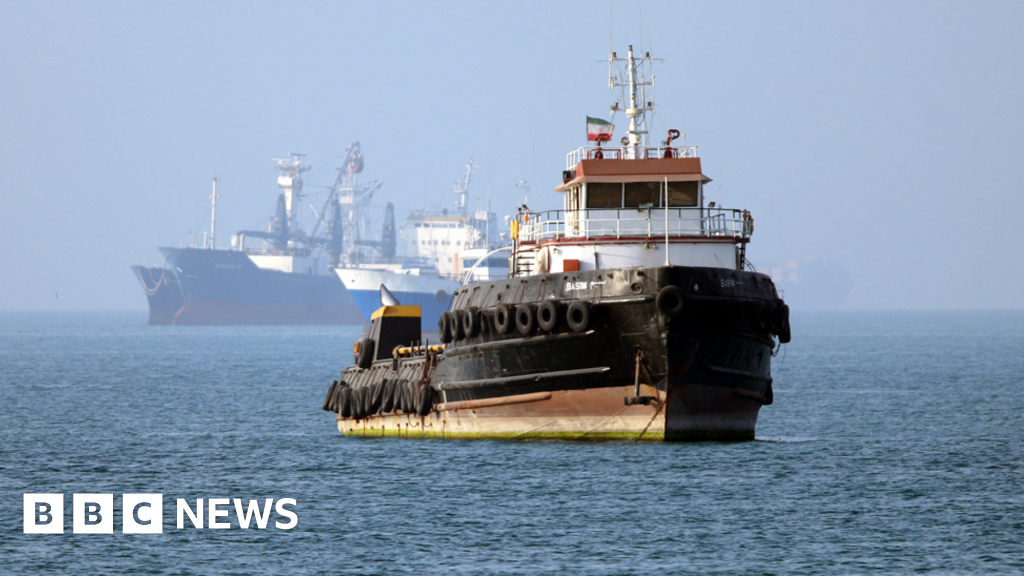

The recentescalation targeting a commercial vessel in Qatari waters, coupled with confirmed drone incursions reported by the United Arab Emirates and Kuwait, underscores a rapidly intensifying maritime security environment across the Gulf. This incident not only jeopardizes the integrity of key shipping lanes that facilitate a substantial portion of global oil and petrochemical exports but also raises immediate concerns regarding the resilience of regional trade corridors that underpin multibillion‑dollar supply chain contracts.
From a business perspective, the acute threat perception is translating into upward pressure on marine insurance premiums, heightened risk premiums for intra‑regional logistics platforms, and a recalibration of contractual force‑majeure clauses by multinational corporations operating in the sector. Stakeholders are already reassessing freight schedules and contingency planning, with potential downstream effects on commodity price volatility and the pricing strategies of downstream manufacturers that rely on uninterrupted Gulf‑based inputs.
Sovereign wealth funds and state‑backed investment entities, which have traditionally anchored the region’s capital markets, are likely to respond by tightening exposure limits in Gulf‑linked assets and increasing allocations to diversification initiatives. The heightened security calculus may accelerate portfolio rebalancing toward non‑physical infrastructure assets, such as digital platforms and financial services, while concurrently prompting more rigorous scrutiny of sovereign‑linked venture capital funds that focus on defense technology and maritime logistics.
The broader infrastructure narrative for the Middle East and North Africa now intersects with an emergent security frontier, compelling governments and multilateral bodies to weigh investment priorities against defense spending. Infrastructure mega‑projects—ranging from logistics hubs to smart‑city ventures—may face delayed funding cycles or re‑engineered designs to incorporate fortified logistics assets, reflecting a strategic pivot where sovereign capital must simultaneously safeguard critical assets and foster growth‑enabling technologies within a volatile geopolitical landscape.