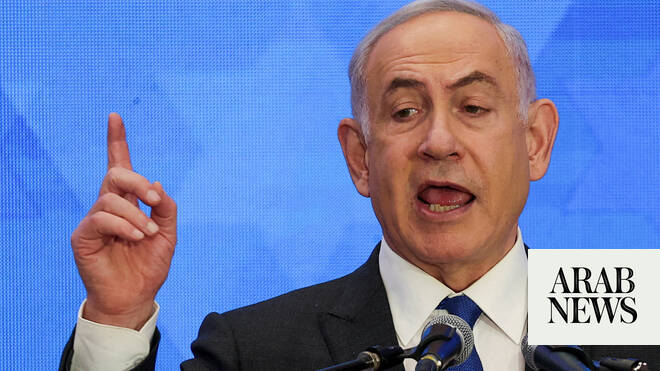

Israeli Prime Minister Benjamin Netanyahu’s declared ambition to eliminate US military aid within a decade represents a fundamental strategic pivot with profound implications for capital allocation across the Middle East and North Africa. This shift, driven by perceived volatility in US political support, will accelerate Israel’s drive for indigenous defense technological self-sufficiency and force a recalibration of its security partnerships. The projected $3.8 billion annually in foregone US funds will necessitate a significant ramp-up in domestic defense spending, likely channeled through Israel’s robust venture capital ecosystem and its world-leading defense-tech sector, creating new corridors for sovereign wealth fund investment from the Gulf.
The strategic reorientation directly aligns with long-standing Gulf objectives to diversify security and technology alliances away from traditional Western dependencies. For Gulf Cooperation Council (GCC) states, particularly those with burgeoning sovereign wealth funds like the Public Investment Fund of Saudi Arabia and the Abu Dhabi Investment Authority, Israeli advanced capabilities in cyber, AI, and unmanned systems represent a critical, undervalued asset for their economic transformation plans. We can anticipate accelerated normalization-linked joint ventures, direct acquisitions of Israeli tech firms by Gulf funds, and co-investment in dual-use infrastructure projects, effectively tethering Israeli innovation to Gulf capital and logistical networks.
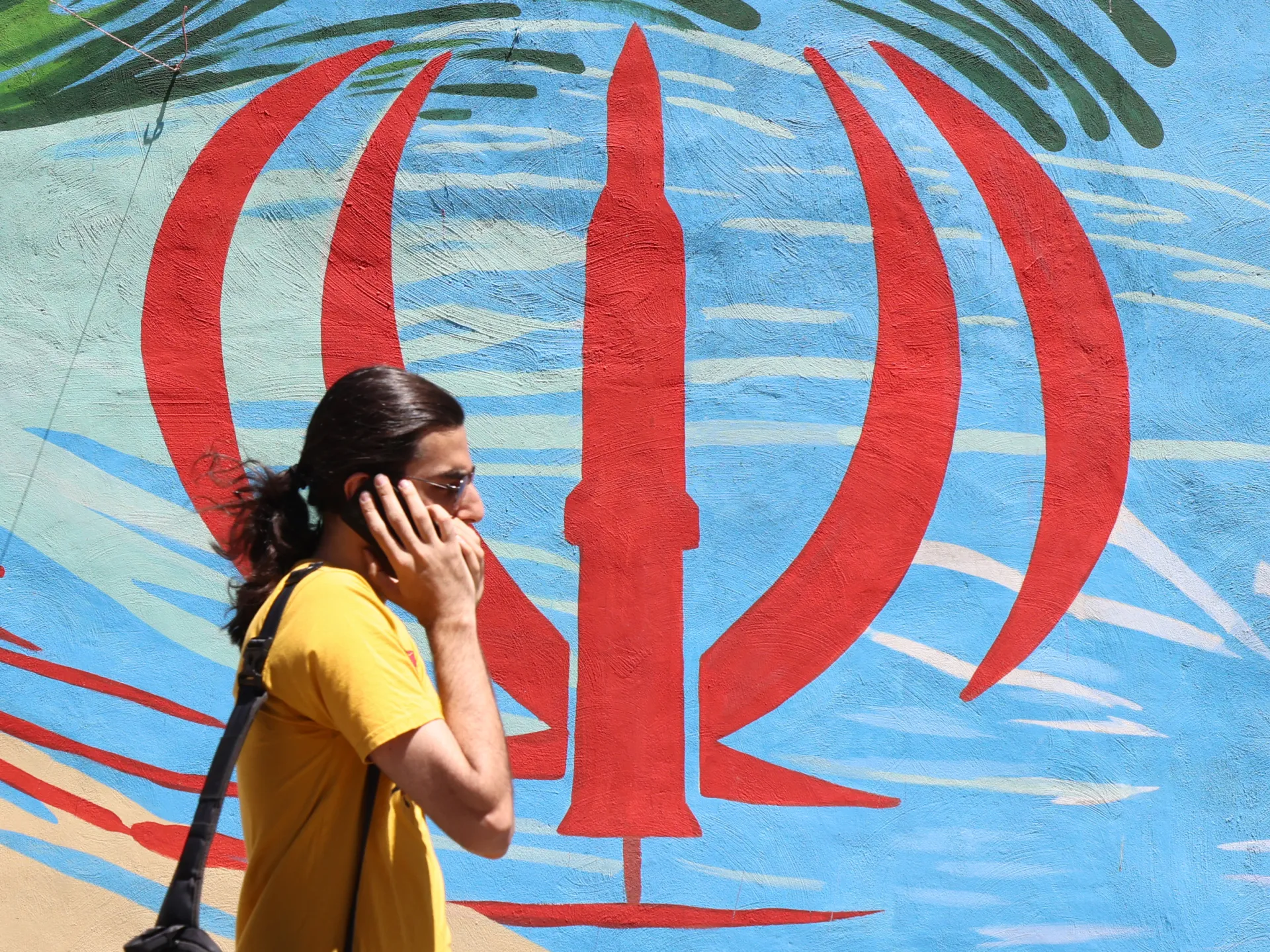
Simultaneously, the ongoing conflict with Iran and the demonstrated vulnerability of the Strait of Hormuz have crystallized an immediate regional infrastructure imperative. The potential for sustained disruption to 20% of global oil transit has intensified focus on alternative energy routes and port security across the Red Sea and Arabian Sea. This will trigger a wave of capital expenditure on critical logistics nodes—from upgraded Red Sea ports like those in Saudi Arabia and Jordan to enhanced pipeline networks and digital monitoring infrastructure—funded by a mix of national oil company investments and multilateral development finance. The convergence of Israel’s security recalibration and the Hormuz crisis thus acts as a powerful catalyst, redirecting sovereign and venture capital toward a more integrated, resilient, and technologically advanced MENA security and trade architecture.