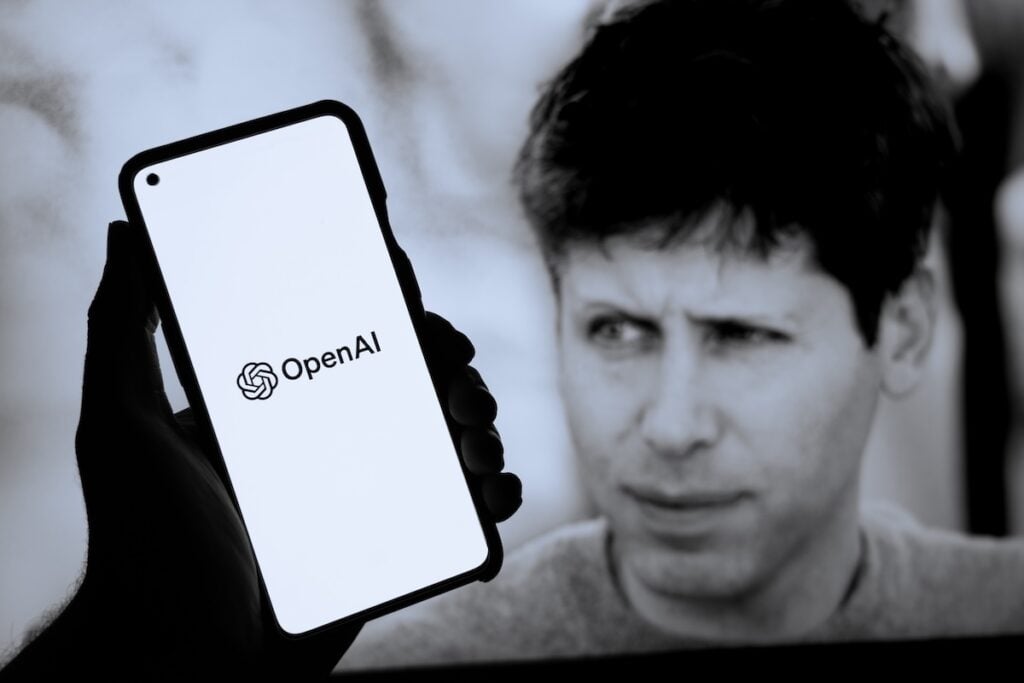

The boardroom implosion at OpenAI, triggered by allegations of deceit against former CEO Sam Altman by chief scientist Ilya Sutskever, underscores the precarious balance between visionary innovation and corporate governance in AI leadership. While the legal proceedings in Elon Musk’s lawsuit against OpenAI have dominated headlines, the ramifications extend beyond U.S. tech corridors to global markets, particularly the Middle East and North Africa (MENA), where sovereign capital and venture funding increasingly underpin AI infrastructure bets. The ouster of Altman, a pivotal figure bridging for-profit commercialization and OpenAI’s original nonprofit mission, has amplified investor scrutiny of how equity stakes—like Microsoft’s reported $13 billion valuation loss from collateral damage and Greg Brockman’s disclosed $30 billion equity position—might destabilize regional tech ecosystems reliant on similar high-stakes partnerships.
For MENA—a region leveraging sovereign wealth funds (SWFs) and strategic tech partnerships to accelerate digital transformation—the OpenAI saga highlights systemic vulnerabilities. Sovereign capital in the Gulf, for instance, is increasingly channeling resources into AI infrastructure, but volatility in U.S. tech hubs could deter cross-border investments. Similarly, venture capital flows into MENA’s AI startups, which often mimic Silicon Valley’s “move fast and break things” ethos, now face heightened due diligence. Institutions like Saudi Arabia’s PIF or UAE’s Mubadala may recalibrate risk assessments, prioritizing governance frameworks to mitigate fallout from capricious leadership or misaligned incentives—a lesson Altman’s ouster serves as.
Regional infrastructure ambitions, particularly in AI-driven sectors like smart cities and energy optimization, depend on stable, long-term collaborations between public and private entities. OpenAI’s internal discord—compounded by Microsoft’s “calculated risk” admission and Musk’s patent disputes—risks fracturing the unified alliances MENA nations require. Without clarity on accountability and mission alignment, SWFs might pivot toward inshoring tech development or backing sovereign-digital initiatives, sidelining erratic global models. This tension between ideological governance and profit-driven scaling will define whether MENA can harness AI as a force multiplier for sovereign-backed infrastructure or become collateral damage in Silicon Valley’s turf wars.