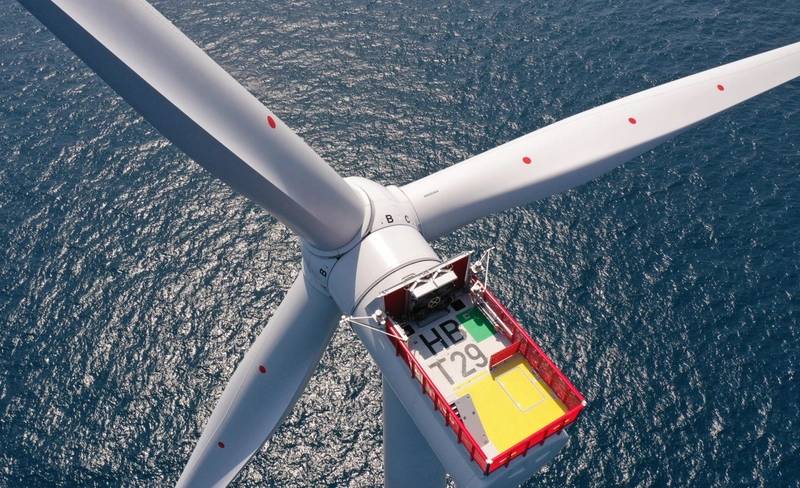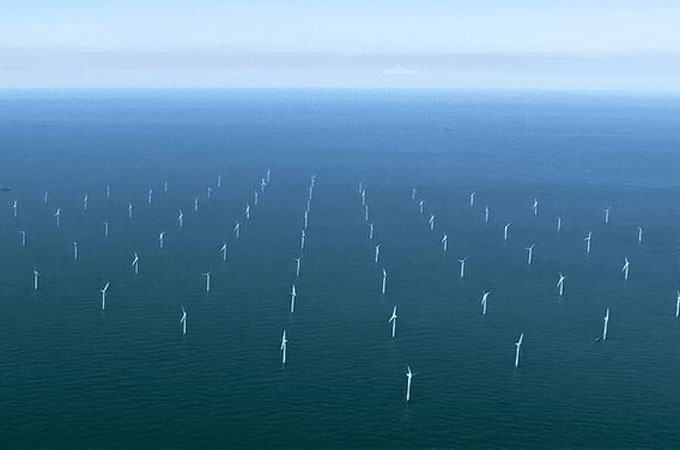

Mubadala Investment Company’s $325 million commitment to Ørsted’s Hornsea 3 offshore wind farm is more than a headline energy deal — it is a signal of how sovereign wealth from the Gulf is recalibrating its allocation toward hard infrastructure in Western markets at a time when yield-starved portfolios demand long-duration, policy-backed cash flows. The Abu Dhabi-backed fund is deploying alongside an Apollo-managed consortium that includes UK pension giant USS and La Caisse, signaling that MENA sovereign capital is no longer content to park capital in liquid debt markets but is actively competing for generational-scale assets in offshore wind, nuclear, and grid-scale storage. For the region, this transaction reinforces a broader playbook: leveraging investment-grade infrastructure in established regulatory environments to diversify away from commodity dependency while hedging against the structural demand surge in electrification, data centres, and industrial decarbonisation that is expected to more than double UK electricity consumption by 2060.
The strategic calculus for Gulf sovereigns is becoming clearer by the quarter. Mubadala’s portfolio now includes stakes in Tata Power Renewables, Skyborn Renewables, PAG Renewables, and Rezolv Energy, suggesting a deliberate build-out of renewable power capabilities that the fund intends to repatriate into regional energy transition strategies — whether through green hydrogen corridors linking MENA solar and wind capacity to European demand, or through domestic grid modernisation programmes in Saudi Arabia and the UAE that require exactly the kind of gigawatt-scale infrastructure expertise this investment provides. Hornsea 3, at 2.9GW and capable of powering over 3.3 million UK homes, is also a template for the scale of projects Gulf states will need to deploy domestically if they are to meet their own net-zero targets by 2050 without simply relying on voluntary carbon markets.
Apollo’s track record in infrastructure-as-an-asset-class, paired with Mubadala’s deep balance sheet and long investment horizon, sets a competitive benchmark for how MENA sovereign funds will structure future partnerships — particularly as the UK accelerates toward its 50GW offshore wind target by 2030 and other European markets follow suit with equivalent procurement pipelines. The real question for regional observers is whether this model replicates itself: will Cairo, Amman, or Riyadh begin co-investing in Western energy infrastructure with the same institutional discipline, or will Gulf capital remain concentrated in domestic megaprojects and public equity? The Hornsea 3 entry suggests Mubadala is betting on the former — and that the convergence of sovereign capital, Western project finance expertise, and the energy transition is becoming one of the most consequential capital allocation themes for the MENA corridor.