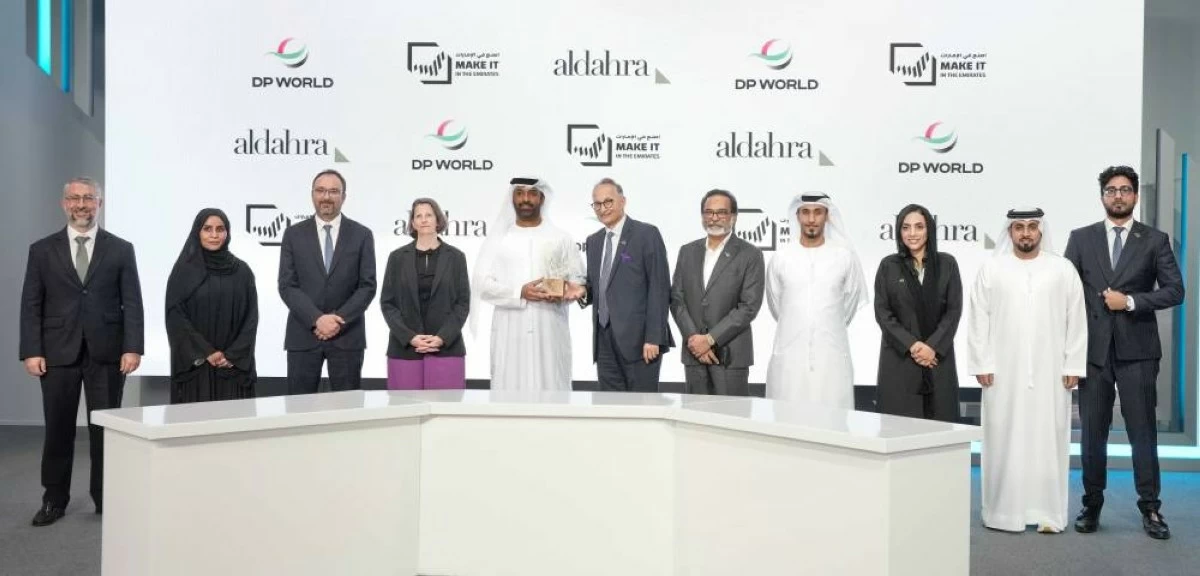

The strategic partnership between DP World and Al Dahra Holding represents a significant deployment of Abu Dhabi’s sovereign capital to fortify the GCC’s agri-logistics sovereignty and embed Emirati influence within global food supply chains. This collaboration transcends a simple service agreement; it is a structured alignment of state-influenced assets—DP World’s port and logistics empire and Al Dahra’s vertically integrated agribusiness—to de-risk food imports and cultivate export-oriented processing hubs. The focus on co-investing in dedicated port infrastructure, free zone operations, and cold-chain networks within Abu Dhabi signals a long-term, capital-intensive commitment to transforming the nation from a net food importer into a critical regional logistics and agri-processing nexus, leveraging sovereign wealth to build strategic resilience.
The venture underscores how Gulf sovereign capital is systematically flowing into hard infrastructure and technology-driven supply chain solutions, a trend attracting parallel venture and private equity interest in agri-tech and logistics innovation. The explicit exploration of digital platforms, traceability systems, and smart logistics tools points to a dual investment thesis: hardening physical infrastructure while digitizing trade flows to enhance transparency and efficiency. This creates a fertile environment for growth-stage ventures specializing in supply chain AI, cold-chain IoT, and sustainable agri-processing technologies, positioning the UAE as a potential testbed and scaling platform for innovations aimed at climate-vulnerable food systems.
Regionally, the initiative will accelerate the integration of GCC infrastructure networks, with cold storage and processing hubs likely to become nodes in a wider, state-backed economic zone strategy. By jointly optimizing sourcing corridors across Africa, Eastern Europe, Central Asia, and the Americas, the partnership seeks to lock in preferential trade flows and logistics cost advantages, directly challenging traditional European and Asian intermediaries. Furthermore, the push for regulatory alignment on food safety and customs processes is a deliberate soft-power play to standardize trade rules within the bloc, reducing friction and solidifying the UAE’s role as the Gulf’s primary agri-logistics gateway. The long-term business impact will be measured in reduced import volatility, increased value-added exports from processed foods, and the attraction of further allied investment into the broader MENA logistics and agribusiness ecosystem.