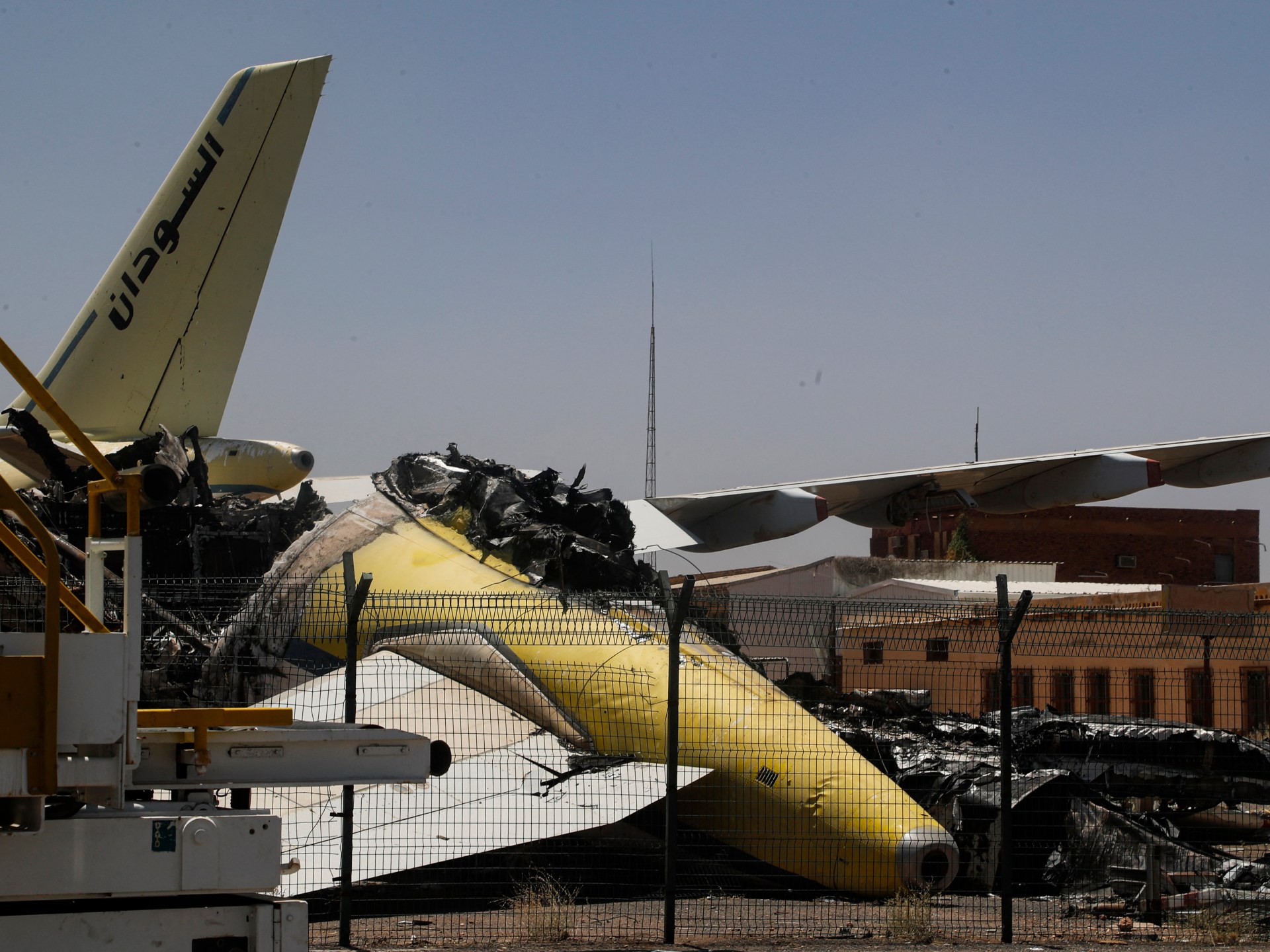

Theprotracted conflict in Sudan has entered its third year, exposing one of the most severe humanitarian crises of the decade while simultaneously eroding the risk calculus for investors across the Middle East and North Africa. With the United Nations estimating 14 million displaced persons and nearly half of the population confronting acute food insecurity, sovereign wealth funds—most notably those of Saudi Arabia, the United Arab Emirates and Qatar—are revising exposure limits on Sudanese assets, prioritising capital preservation over growth. The influx of combat drones, as highlighted by the UN, has amplified security volatility, prompting heightened insurance premiums and forcing multinational corporations to reassess on‑the‑ground operations, thereby tightening the flow of foreign direct investment into the region.
Venture capital firms operating in the broader MENA ecosystem are witnessing a pronounced slowdown in Sudan‑based deal flow, as limited partners demand more granular political‑risk metrics and clearer exit pathways amid an increasingly fragmented battlefield. The involvement of external actors—whether through arms transfers, financial backing, or diplomatic patronage—complicates mediation efforts and raises the spectre of a protracted stalemate. Consequently, funds that previously targeted early‑stage technology and renewable energy startups in Khartoum are reallocating capital toward more stable jurisdictions such as Rwanda and the Gulf Cooperation Council, while sovereign‑backed credit facilities are being leveraged to shore up critical infrastructure operators that remain functional despite the security deterioration.
From an infrastructure perspective, the crisis threatens to derail multi‑billion‑dollar projects tied to regional integration, including the Red Sea–Mediterranean highway corridor, the Sudan‑Ethiopia railway link, and cross‑border telecom fibre routes. Sovereign capital, with its long‑term horizon, is uniquely positioned to either finance contingency plans—such as modular power grids and redundant transport hubs—or to withhold funding until a durable ceasefire is secured, thereby influencing the timing of mega‑infrastructure commitments across the wider MENA region. The strategic decisions of these funds will determine whether the current disruption becomes a temporary setback or a catalyst for re‑prioritising resilient, diversified supply chains.
In sum, the Sudanese conflict is not merely a humanitarian emergency but a pivotal factor shaping the deployment of sovereign wealth, the dynamics of venture financing, and the trajectory of regional infrastructure development. The convergence of heightened security risk, altered investment appetites, and the strategic leverage of sovereign capital will dictate the pace at which the broader Middle East and North Africa can regain economic momentum, with any substantive de‑escalation likely required before the full spectrum of commercial activity can be restored.