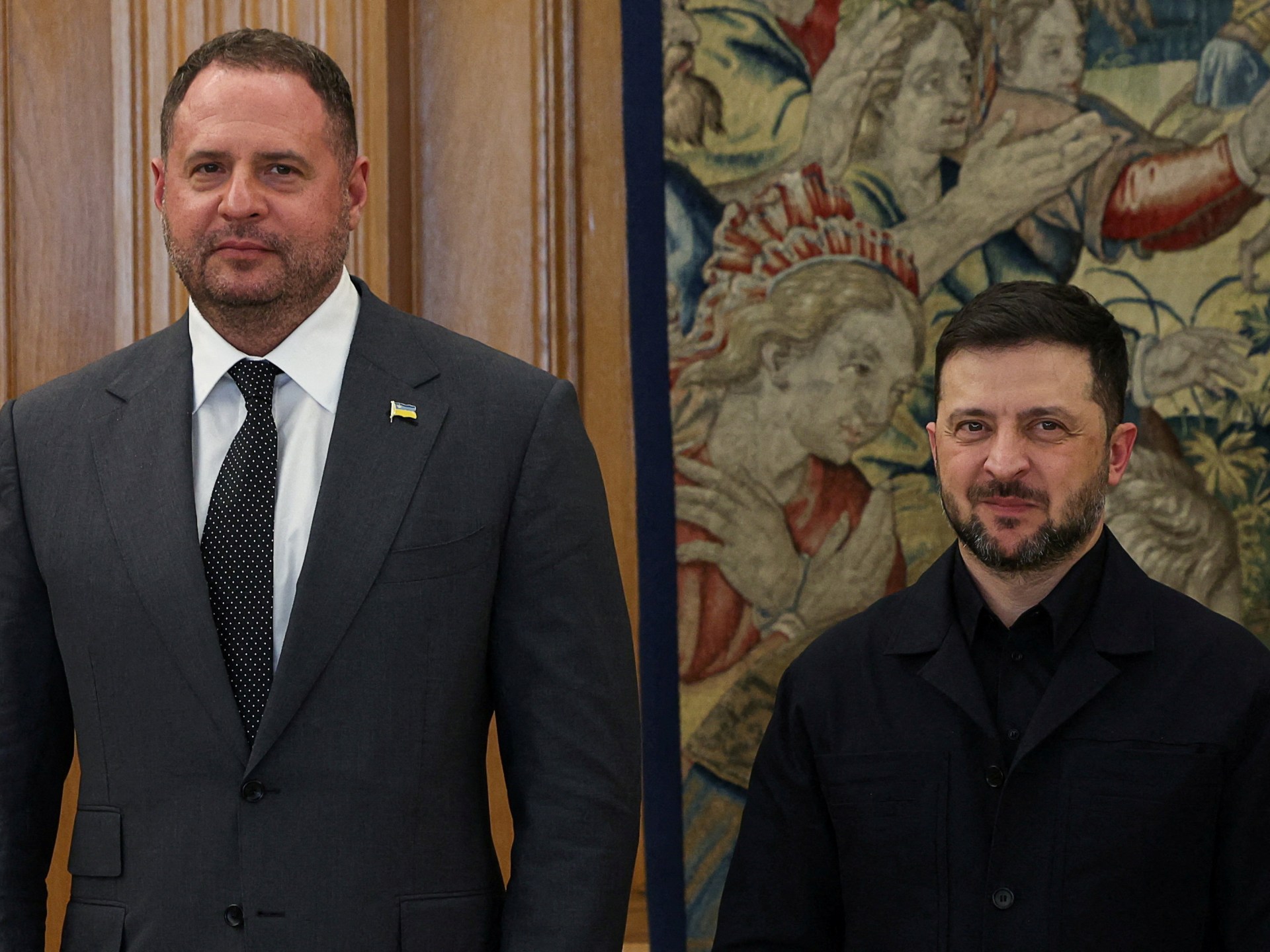

The corruption investigation targetingAndriy Yermak, once a linchpin of Ukraine’s political establishment, underscores a broader vulnerability in governance frameworks that could have profound implications for regional economic confidence. While the case centers on individual accountability, its reverberations for sovereign capital flows and business confidence in post-war Ukraine ripple into the Middle East and North Africa (MENA) context. MENA’s sovereign funds, increasingly drawn to post-conflict or transitional markets, face a critical question: how do they assess governance risks when even established institutions are embroiled in scandals? The Ukrainian scenario serves as a cautionary tale, warning that unchecked corruption erodes trust in state institutions, deterring long-term investments and converting sovereign capital into a speculative asset class rather than a stabilizer of economic growth.
The implications for venture capital in MENA are equally stark. Ukraine’s case highlights how legal uncertainties and political fallout from corruption probes can paralyze entrepreneurial ecosystems. In the MENA region, where VC flows often target high-growth sectors like fintech or logistics, similar judicial entanglements of key stakeholders could trigger capital flight or stifle innovation. Sovereign wealth funds in the Gulf, which have diversified into VC, must now grapple with the cost of due diligence in markets where institutional opacity persists. A single high-profile case, such as Ukraine’s, might galvanize regional VCs to prioritize transparency mandates or regional arbitration mechanisms, yet the absence of such frameworks risks fragmenting capital markets and diluting returns on regional bets.
Regional infrastructure projects in MENA are arguably the most at-risk of Ukraine’s governance disruptions. International partners, including Gulf consortia, often align infrastructure investments with broader stabilization and governance reform agendas. A scandal of this magnitude in Ukraine could embolden MENA governments to delay or deprioritize projects tied to foreign entities, citing “risk aversion” amid political instability. Conversely, the EU’s conditional support for Ukraine’s membership underscores a strategic asymmetry: while Ukraine seeks integration through accountability, MENA states may use such cases to justify non-intervention. This dynamic could stall cross-border infrastructure initiatives, from renewable energy hubs to digital corridors, as investors demand stricter oversight—a demand that, if unmet, may redirect capital toward more predictable, albeit less impactful, domestic ventures.