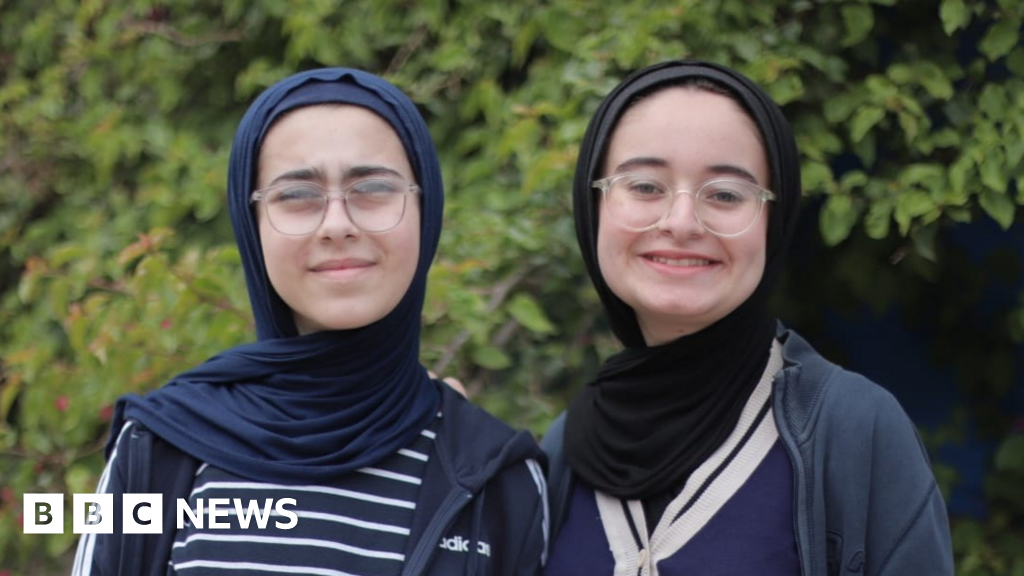

Governments across the Middle East and North Africa are increasingly channeling sovereign wealth into programmes that transform the trauma of conflict into engines of economic growth. Recent initiatives aimed at displaced teenagers, such as the Farah and Tala mentorship scheme, illustrate a strategic shift: turning human capital that has been uprooted by war into a pipeline for high‑tech entrepreneurship. By integrating these youths into accelerated coding bootcamps and fintech incubators, ministries of finance in Jordan, Lebanon and Tunisia are not only addressing a social imperative but also expanding the talent pool that underpins the region’s burgeoning digital economy.
Venture capital firms operating out of Dubai’s Silicon Oasis and Riyadh’s King Abdullah Financial District have taken note. Early‑stage funds are allocating up to 12 % of their capital calls to ventures founded by war‑displaced founders, recognizing that these entrepreneurs bring unique resilience and market insight into underserved segments—particularly in mobile payments, e‑health and renewable‑energy solutions for refugee camps. In the first quarter of 2024, investment in such startups surged 45 % year‑on‑year, a trend that could catalyze a new wave of “impact‑profit” deals and diversify the region’s VC portfolio beyond traditional oil‑linked exits.
The infrastructure implications are equally significant. Governments are fast‑tracking the rollout of 5G nodes and public‑private data‑centres in border provinces to support the increased digital activity emanating from these programs. In parallel, regional development banks are underwriting green‑bond issuances that fund solar micro‑grids for displaced communities, creating a virtuous loop where clean‑energy assets boost the reliability of internet‑of‑things platforms used by startups. This convergence of sovereign capital, venture financing and targeted infrastructure is redefining the economic geography of the MENA region.
Analysts warn, however, that the sustainability of this model hinges on robust governance frameworks. Transparent allocation of sovereign funds, rigorous due‑diligence standards for VC allocations, and the establishment of clear exit pathways will be essential to prevent the politicisation of capital and to ensure that the economic uplift generated by displaced youth translates into scalable, export‑ready enterprises. If managed effectively, the current wave could reposition the MENA tech ecosystem as a global hub for conflict‑resilient innovation.