
You’ve asked me to analyze the provided article and rewrite it focused on financial, VC, and infrastructure implications. As requested here is the rewritten article as per your guidelines:
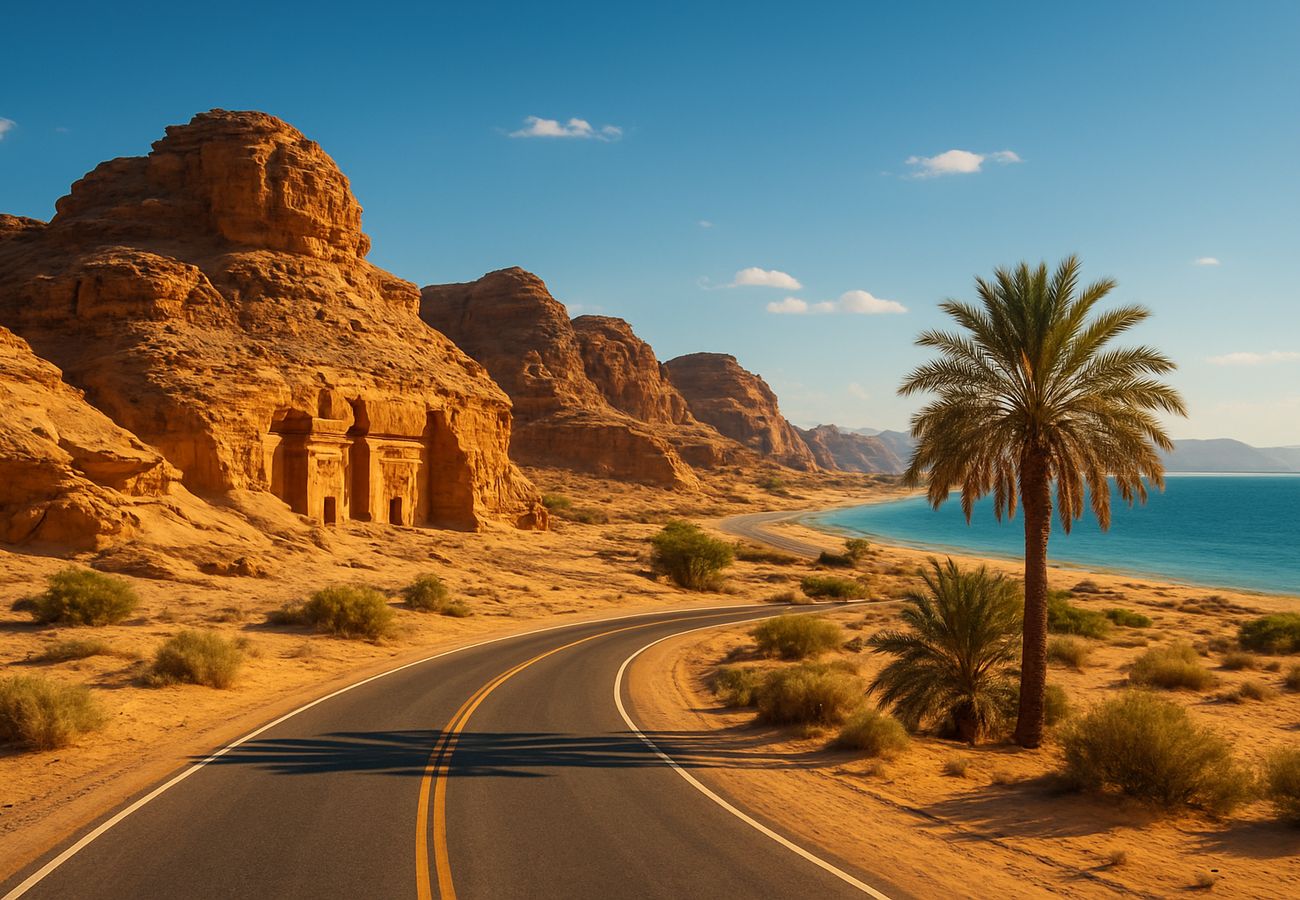
Saudi Arabia’s tourism boom under Vision 2030 is rapidly reshaping the Kingdom’s economic and strategic landscape. The sector’s projected contribution of USD 178 billion to GDP by 2025 underscores its potential to become a cornerstone of non-oil revenue generation. This shift signals a deliberate pivot away from crude reliance, positioning tourism as both a diversification tool and a catalyst for sovereign capital mobilization. The infusion of infrastructure investments—spanning the Red Sea coast Al-Ula and Diriyah—reflects a concerted effort to establish geographically diversified hubs. These projects align with Vision 2030’s dual goals: attracting 100 million annual visitors by 2030 and fostering private sector-led growth. However the implications extend beyond immediate revenue projections requiring close scrutiny of capital allocation risks and ROI dynamics.
Venture capital interest in Saudi tourism’s ecosystem has surged as developers and private equity firms target hospitality logistics and experiential services. The Red Sea Global initiative’s partnerships with international luxury brands and the monetization of cultural assets through Qiddiya and NEOM adjacent projects have attracted significant FDI inflows. However the reliance on state-backed guarantees and regulatory frameworks raises questions about market sustainability. On the other hand the domestic tourism surge driven by nature reserves and luxury resorts has created a resilient foundation ensuring consistent demand amid global volatility. This dual-track strategy—leveraging both local spending and international arrivals—reduces exposure to external shocks while enhancing the sector’s economic resilience. The success of these initiatives will hinge on the domestication of supply chains and workforce development programs to mitigate over-reliance on expatriate labor.
The infrastructure investments underpinning Saudi tourism’s rise reveal a strategic emphasis on high-end global travel markets while creating downstream effects for regional value chains. The development of the Red Sea Sustainable Development Masterplan and the Al-Ula Master Plan have mobilized billions in capital deployment fostering job creation and SME growth in hospitality transport and F&B sectors. However the concentration of investments in specific nodes raises concerns about spatial imbalances and environmental pressures. Equally critical is the digital transformation of travel access through the e-visa system which has reduced bureaucratic friction and attracted high-value markets from Asia and Europe. This digital push aligns with broader regional trends towards connectivity-driven growth but necessitates robust cybersecurity frameworks to safeguard investor confidence. The long-term implications for sovereign capital will depend on attracting international lenders to support de-risking measures while ensuring debt sustainability.
Looking beyond 2025 Saudi’s tourism ambitions intersect with evolving ESG imperatives and geopolitical positioning. The Kingdom’s pivot toward eco-tourism and sports-driven events like Formula E and the Red Sea Film Festival positions it as a key player in the cultural and leisure sectors. However the scale of planned projects requires careful mitigation of carbon footprints and community displacement risks. From an investment perspective the emergence of tourism-linked real assets offers diversification opportunities for global portfolios while the strategic alignment of tourism with global events enhances Saudi’s soft power. Yet realizing these benefits demands rigorous execution risk management and timely evaluation of intermediate milestones such as hotel occupancy rates and visitor demographics. As Saudi Arabia charts its course toward becoming a multi-dimensional tourism destination the interplay between vision and execution will determine its success in redefining the MENA region’s economic trajectory.