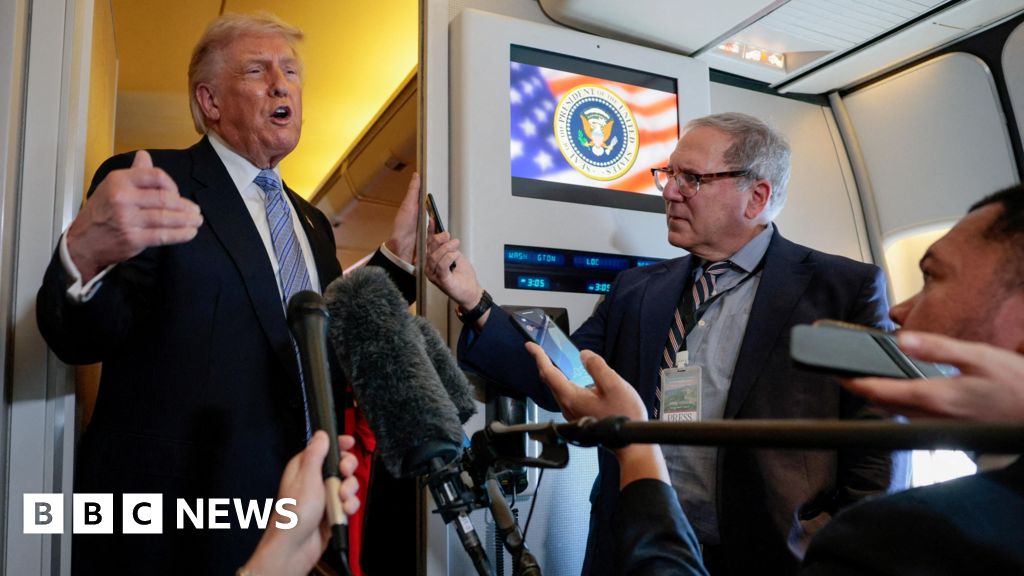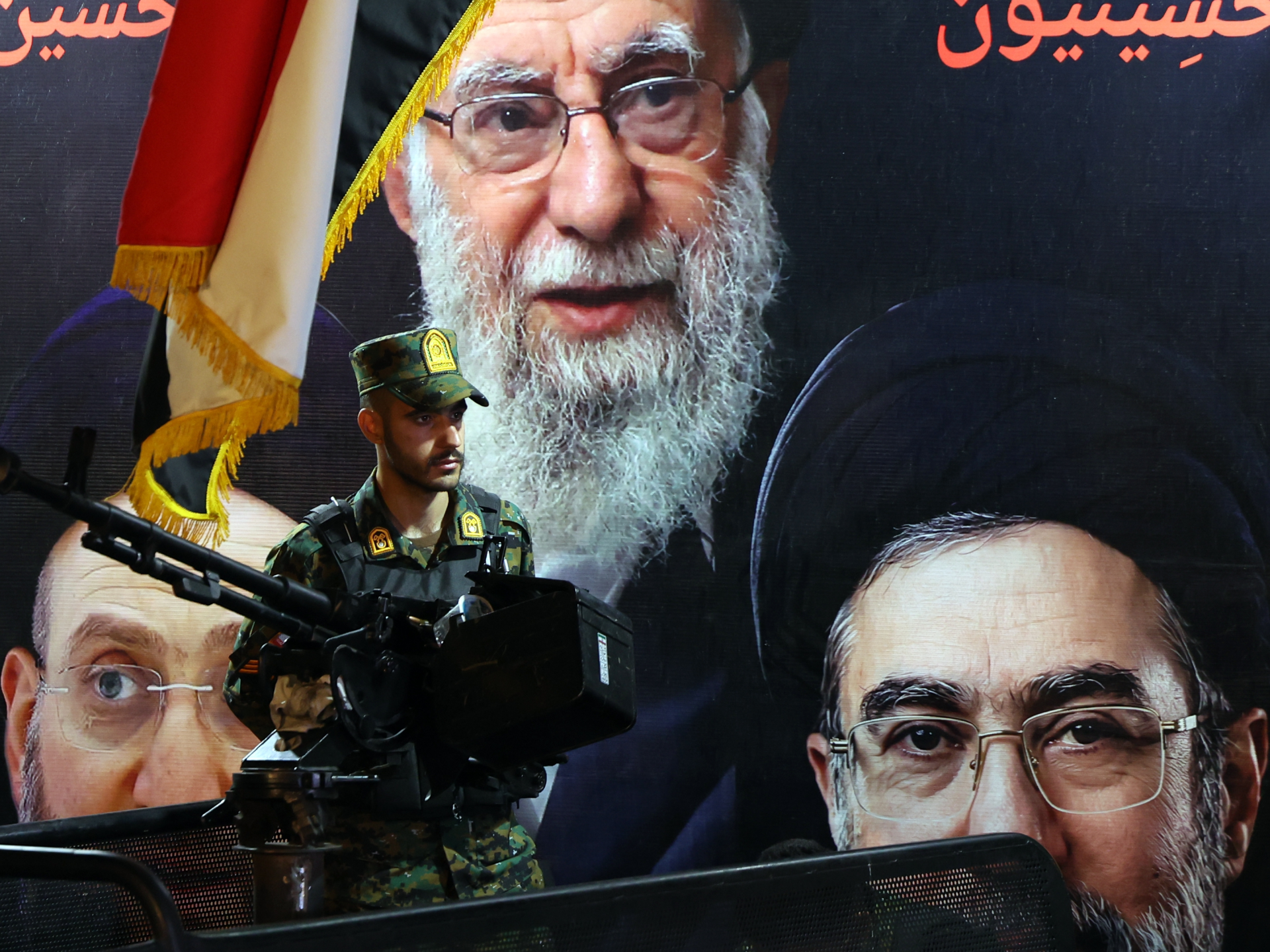

Iranian Foreign Minister Abbas Araghchi’s declaration that Tehran will “never bow to pressure” and that no military resolution exists for the standoff with Washington is not merely a diplomatic posture—it is a recalibration signal for every sovereign wealth fund, institutional allocator, and venture capital syndicate operating across the Gulf. When Iran doubles down on its negotiating framework, the immediate effect is a hardening of the bifurcated capital architecture that has defined the region since 2018: Western-aligned GCC sovereigns tighten their de-risking protocols, while Iranian-aligned institutional actors in Oman, Turkey, and parts of Central Asia recalibrate exposure models. The operational implication is clear—MENA’s already fragmented financial plumbing, from correspondent banking networks to cross-border settlement rails, faces another round of stress testing.
On the venture capital front, the ripple extends into the region’s most capital-hungry verticals. Iranian-origin founders and investors in fintech, energy transition, and defense-adjacent technologies will face steeper due diligence hurdles in Gulf jurisdictions that continue to align with U.S. secondary sanctions frameworks. Meanwhile, Tehran’s domestic VC ecosystem, already constrained by limited access to international capital markets, gains a marginal boost from the hardline posture—a potential uptick in state-directed funding for strategic sectors—but at the cost of any meaningful foreign direct investment inflows for the foreseeable horizon.
The broader infrastructure calculus is equally unforgiving. Cross-border data corridors, maritime logistics hubs in the Strait of Hormuz, and energy transit agreements all operate under the assumption of a managed geopolitical equilibrium. Araghchi’s language signals that equilibrium is deteriorating, and infrastructure planners from Dubai to Riyadh will need to embed additional redundancy into supply chain and digital infrastructure models. For a region that has invested hundreds of billions into diversification away from oil dependency, the political risk premium on Iran-related exposure is rising—not as a cyclical blip, but as a structural re-rating.