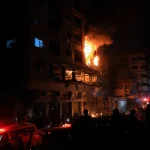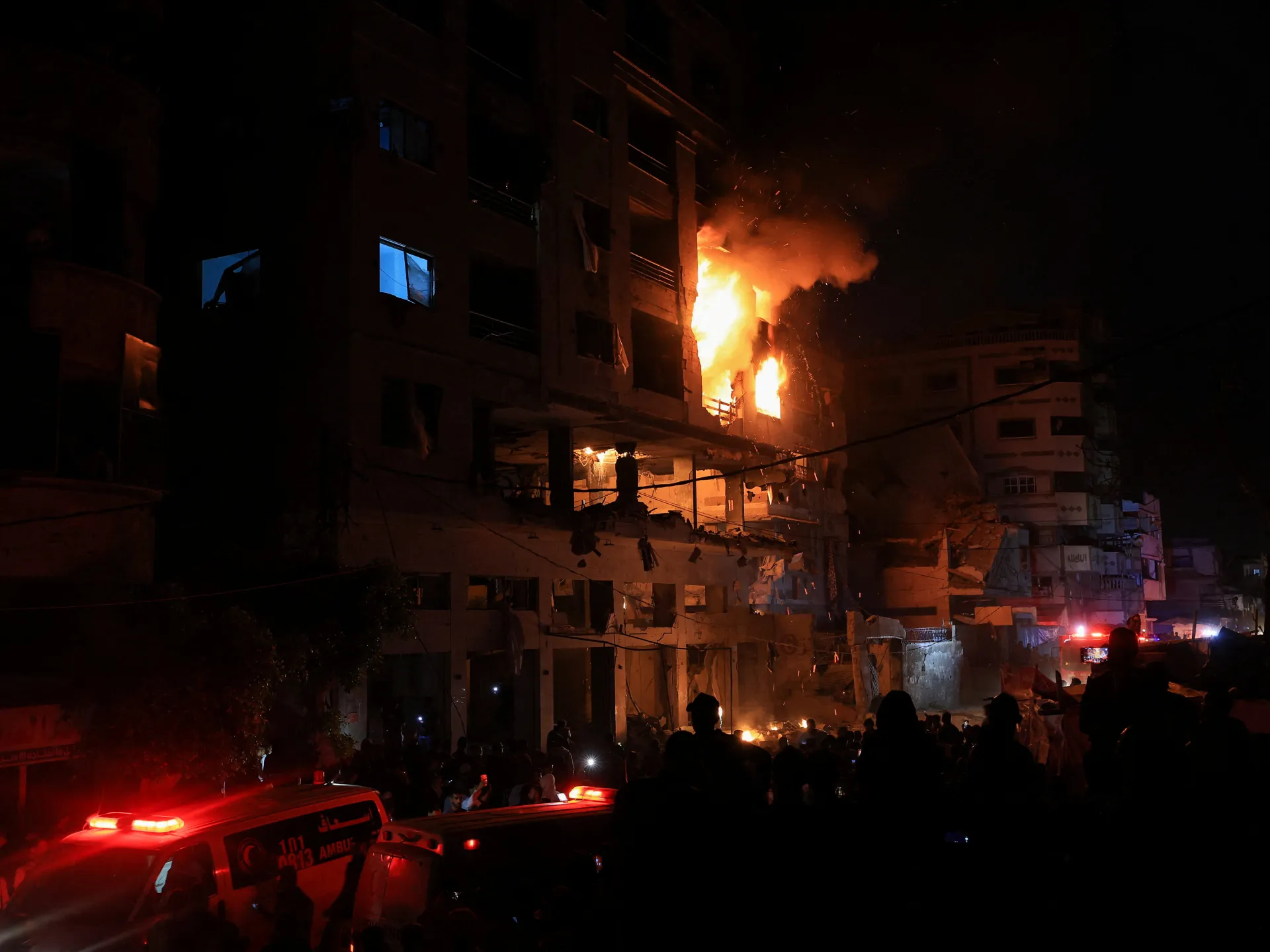

Israel’s latest strikes on Gaza City, which killed at least seven civilians—including three women and a child—and injured dozens more, underscore a widening risk premium for investors eyeing the MENA region. The attacks, justified by Tel Aviv as targeting a senior Hamas commander, have amplified geopolitical volatility and threatened to stall the flow of sovereign financing to both Israel and the Palestinian Authority. Regional bond markets, already sensitive to conflict‑related shocks, are likely to see widened spreads as rating agencies reassess fiscal resilience amid heightened security expenditures and potential disruptions to cross‑border trade corridors.
For sovereign creditors, the escalation raises concerns over the durability of existing debt service covenants tied to reconstruction funds in Gaza and broader infrastructure projects in the West Bank. International lenders and multilateral development banks may tighten underwriting standards, imposing stricter conditionality on disbursements linked to humanitarian relief and post‑conflict rebuilding. The prospect of renewed hostilities could also force Saudi Arabia, the UAE and Qatar to recalibrate their financial pledges under the Arab Peace Initiative, delaying capital infusion that underpins regional growth forecasts.
Venture capital and private‑equity firms operating in the MENA technology ecosystem must now factor in heightened operational risk. Start‑ups headquartered in Israel, the West Bank and Jordan, many of which depend on cross‑border talent pipelines and supply‑chain links through Gaza, may encounter talent attrition, logistical bottlenecks and investor reticence. Funds with exposure to cybersecurity, defense tech, and agri‑tech—sectors historically buoyed by conflict‑driven demand—could see a short‑term surge in interest, yet the broader venture pipeline may contract as limited‑partner allocations shift toward safer havens.
Infrastructure planners and developers across the region are confronting an urgent need to harden critical assets against conflict spill‑over. The destruction of residential blocks in densely populated districts such as Rimal illustrates the vulnerability of urban utilities, transport links and energy grids. Governments and sovereign wealth funds are likely to prioritize resilient construction standards and diversify funding sources, incorporating war‑risk insurance and contingency financing into large‑scale projects. Failure to address these security‑linked cost escalations could erode the competitive advantage of MENA hubs seeking to attract foreign direct investment and solidify their position in the global digital economy.