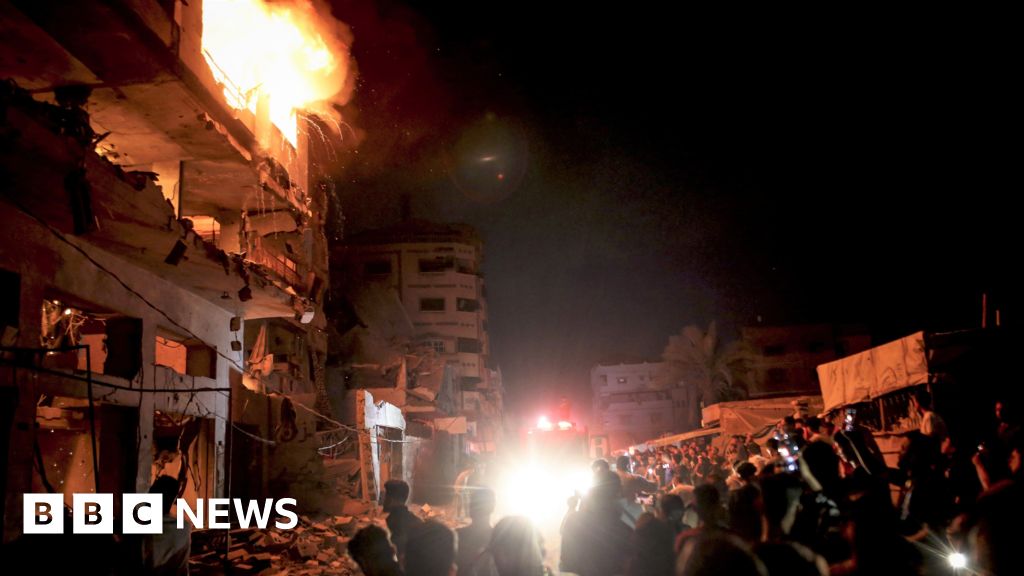

The latest tollfrom Israeli operations—2,951 fatalities and nearly 9,000 injuries since March—exacerbates Lebanon’s already fragile fiscal position, accelerating sovereign outlays for emergency medical services, humanitarian relief, and debt service. With public finances strained by a depreciating lira and a $44 bn external debt stock, the Ministry’s figures underscore an urgent need for additional borrowing capacity, heightened reliance on IMF contingency financing, and a recalibration of sovereign liquidity buffers.
From a sovereign capital perspective, the crisis is likely to trigger a reallocation of the Ministry of Finance’s debt issuance program toward shorter‑dated, high‑yield instruments to fund frontline health expenditures. This shift will pressure credit rating agencies to reassess Lebanon’s sovereign risk profile, potentially tightening spreads on Euro‑dollar bonds and influencing regional investors’ appetite for Lebanese sovereign risk‑adjusted assets.
Venture capital and private equity flows into the MENA ecosystem will feel the immediate shock through reduced deal flow in early‑stage health‑tech and resilience‑focused startups based in Beirut. However, sovereign wealth funds from the Gulf Cooperation Council and Qatar Investment Authority are expected to step in, channeling additional dry‑powder into localized health‑care infrastructure, telemedicine platforms, and digitised humanitarian logistics to offset private sector contraction.
Infrastructure planning across the region will increasingly factor in conflict‑induced displacement and health‑system stress, prompting governments to prioritise resilient energy grids, broadband expansion, and decentralized logistics hubs. The anticipated surge in sovereign‑backed public‑private partnerships will aim to future‑proof critical supply chains, with a particular emphasis on modular medical facilities and redundancies in transport corridors serving the Levant.