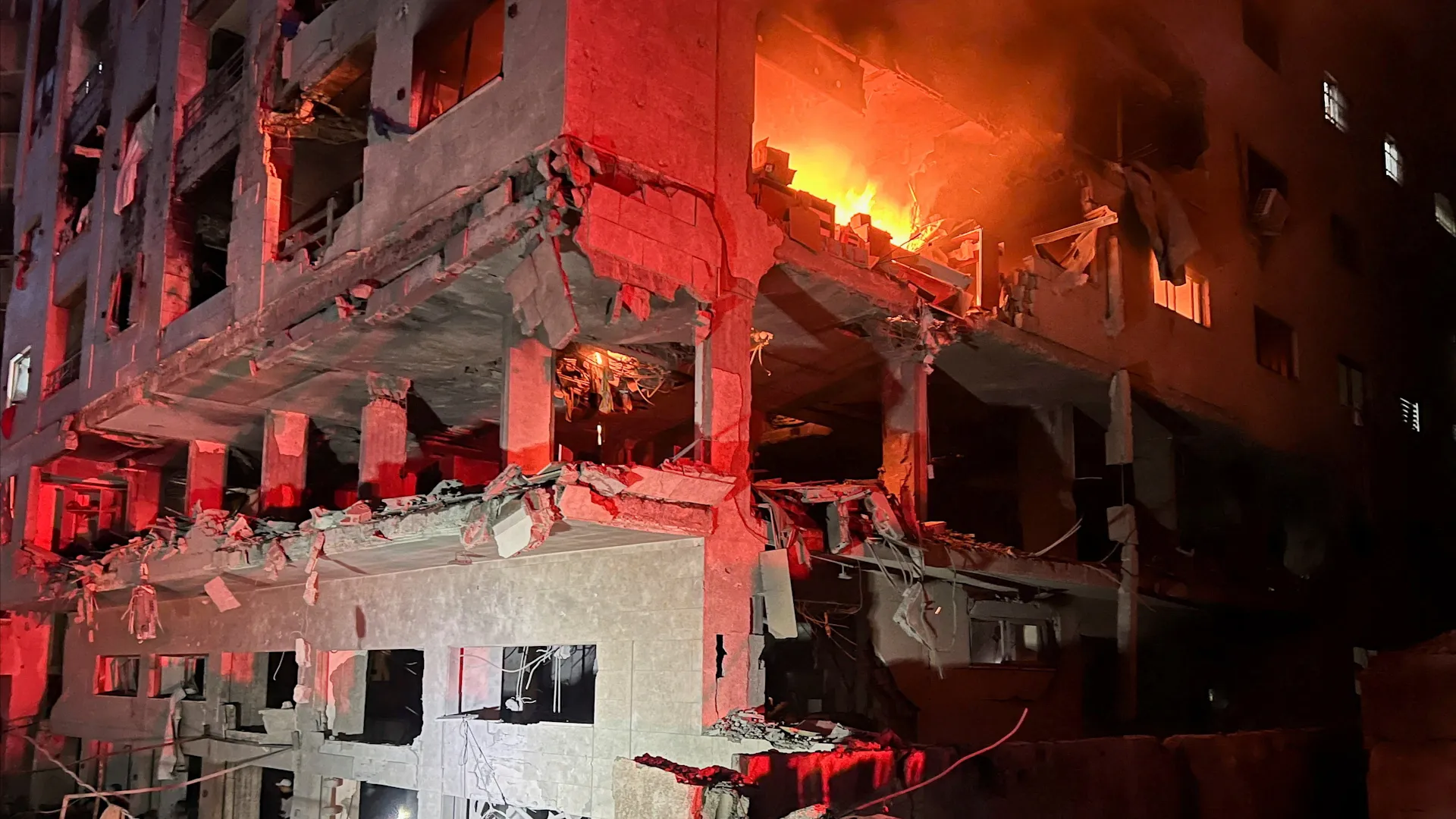

Israel’s confirmation that Izz ad‑Din al‑Haddad, a senior operative linked to the planning of the October 7 massacre, was killed in Gaza City underscores a further escalation of hostilities that instantly recalibrates risk assessments across the Middle East and North Africa (MENA). The event re‑ignites uncertainty around security guarantees, prompting sovereign actors to reassess exposure to conflict‑adjacent markets and to re‑prioritize capital preservation over growth‑oriented deployments.
Gulf sovereign wealth funds, which have historically allocated sizable tranches to high‑growth technology, renewable energy, and logistics projects across the Levant, are expected to tighten due‑diligence protocols and increase holdings of low‑beta, sovereign‑backed instruments. The heightened threat perception may trigger a measurable shift from direct equity commitments in volatile locales toward safer assets such as sovereign bonds, gold, or diversified global equity funds, thereby tempering the flow of capital into region‑specific venture pipelines.
Venture capital firms operating in the broader MENA ecosystem—spanning fintech, health tech, and agritech—face a dual pressure: the immediate disruption of talent mobility and supply chains, and the downstream effect of reduced risk appetite from limited partners. While some funds may double down on resilience‑focused startups that demonstrate robust governance and diversified revenue streams, the overall deal volume is likely to contract in the short term, with a pronounced preference for later‑stage, cash‑generative companies over early‑stage, high‑burn ventures.
Infrastructure programs, particularly those championed by sovereign initiatives such as Saudi Arabia’s NEOM, Qatar’s railway expansions, and the UAE’s digital megaprojects, will encounter intensified financing costs and potentially delayed timelines. The need to secure additional risk mitigants—including political risk insurance and multilateral guarantees—will increase the cost of capital for these projects, prompting a recalibration of fiscal planning and a possible acceleration of public‑private partnership structures that can absorb shock‑absorbing buffers.