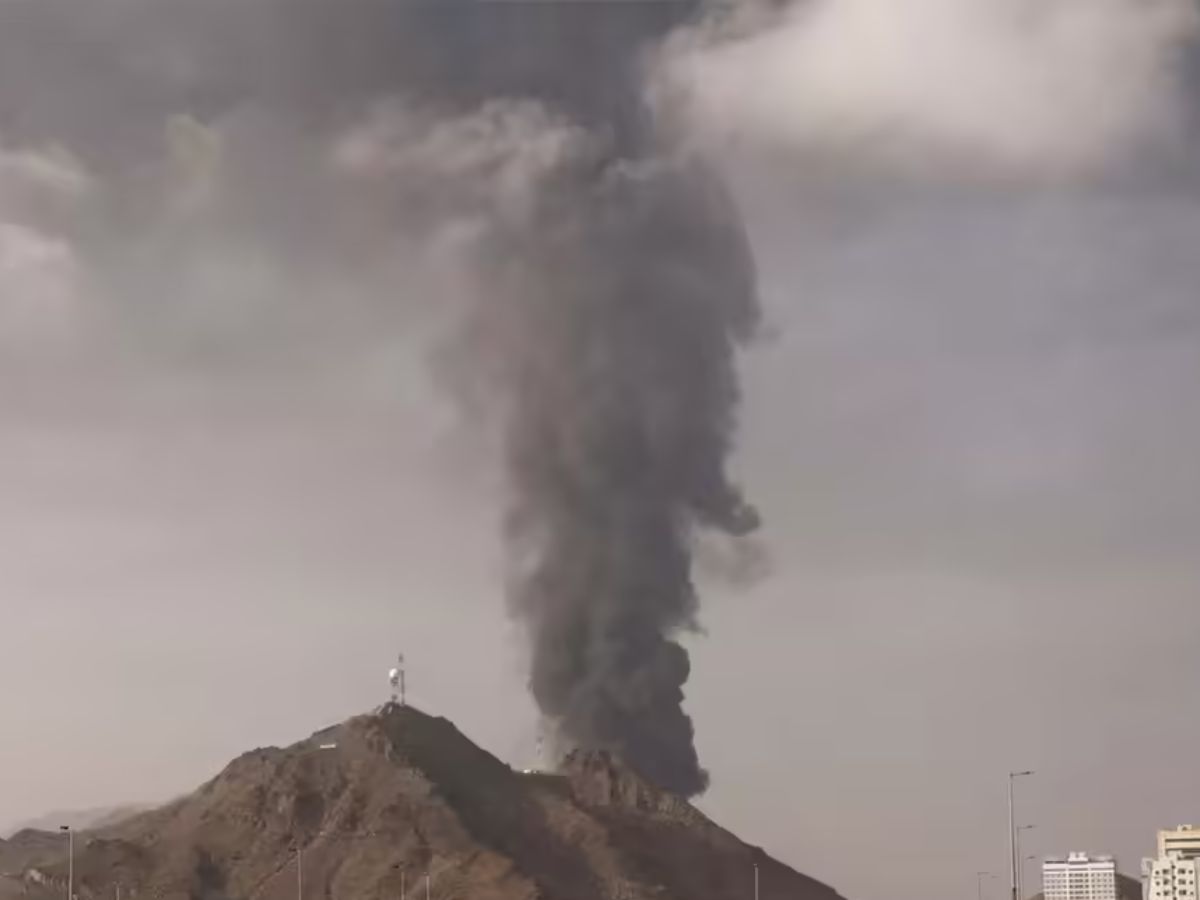

A targeted drone strike against the Ruwais Industrial Complex in Abu Dhabi marks a critical escalation in regional energy security vulnerabilities, exposing systemic weaknesses in the Gulf’s critical infrastructure and triggering profound implications for sovereign capital strategies, venture capital flows, and broader regional energy infrastructure development.
The attack disrupted operations at the world’s largest single-site refinery, processing over 922,000 barrels of crude daily and underpinning substantial portions of the UAE’s sovereign wealth generation and downstream energy export revenues. This disruption underscores the persistent vulnerability of the UAE’s core energy infrastructure to asymmetric threats, compelling urgent reassessment by the Abu Dhabi National Oil Company (ADNOC) and the sovereign wealth entities it supports. The immediate economic impact manifests in production losses and potential downstream revenue shortfalls, while the broader geopolitical signal risks unsettling energy markets and attracting further disruptive actions against other Gulf energy assets. Consequently, sovereign capital allocation towards energy security investments and diversified portfolios may now prioritize enhanced physical and cyber defenses for existing facilities over traditional expansion projects.
Beyond sovereign concerns, the incident casts a shadow over venture capital engagement in the Middle East’s energy and cleantech sectors. The perceived heightened risk environment could trigger a temporary contraction in VC investment within the region, particularly for companies tied to energy infrastructure resilience, cybersecurity, or transition technologies deemed secondary to core energy security. Regional VC firms, already navigating capital flight and regulatory shifts, may adopt a more cautious stance, favoring safer bets in fintech or non-energy industrial ventures. This could decelerate the nascent momentum in supporting MENA energy transition innovations, potentially creating a vacuum for international VC players with deeper pockets for higher-risk, high-reward infrastructure plays. The incident thus acts as a critical stress test for the region’s ability to attract and retain venture capital essential for future energy system transformation.
**
Moving forward, the Ruwais attack forces a paradigm shift towards integrating unprecedented levels of physical security, advanced cybersecurity, and potential redundancy into the design and operation of future MENA energy infrastructure. Governments and state-owned enterprises will likely accelerate investments in fortified industrial zones, hardened transmission networks, and distributed energy solutions, viewing these as essential sovereign responsibilities. The focus will transition from mere capacity expansion to building resilient, defensible, and potentially decentralized energy systems capable of withstanding multi-domain attacks. This represents a significant reallocation of infrastructure development capital towards security-centric engineering and will likely constrain funding available for purely efficiency or environmental initiatives in the near term. The event fundamentally reshapes the risk-return calculus for all future energy infrastructure projects across the Gulf and North Africa, mandating unprecedented collaboration between sovereign entities, private operators, and defense technology providers to fortify the region’s energy backbone against evolving threats.