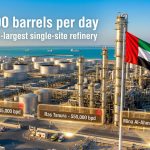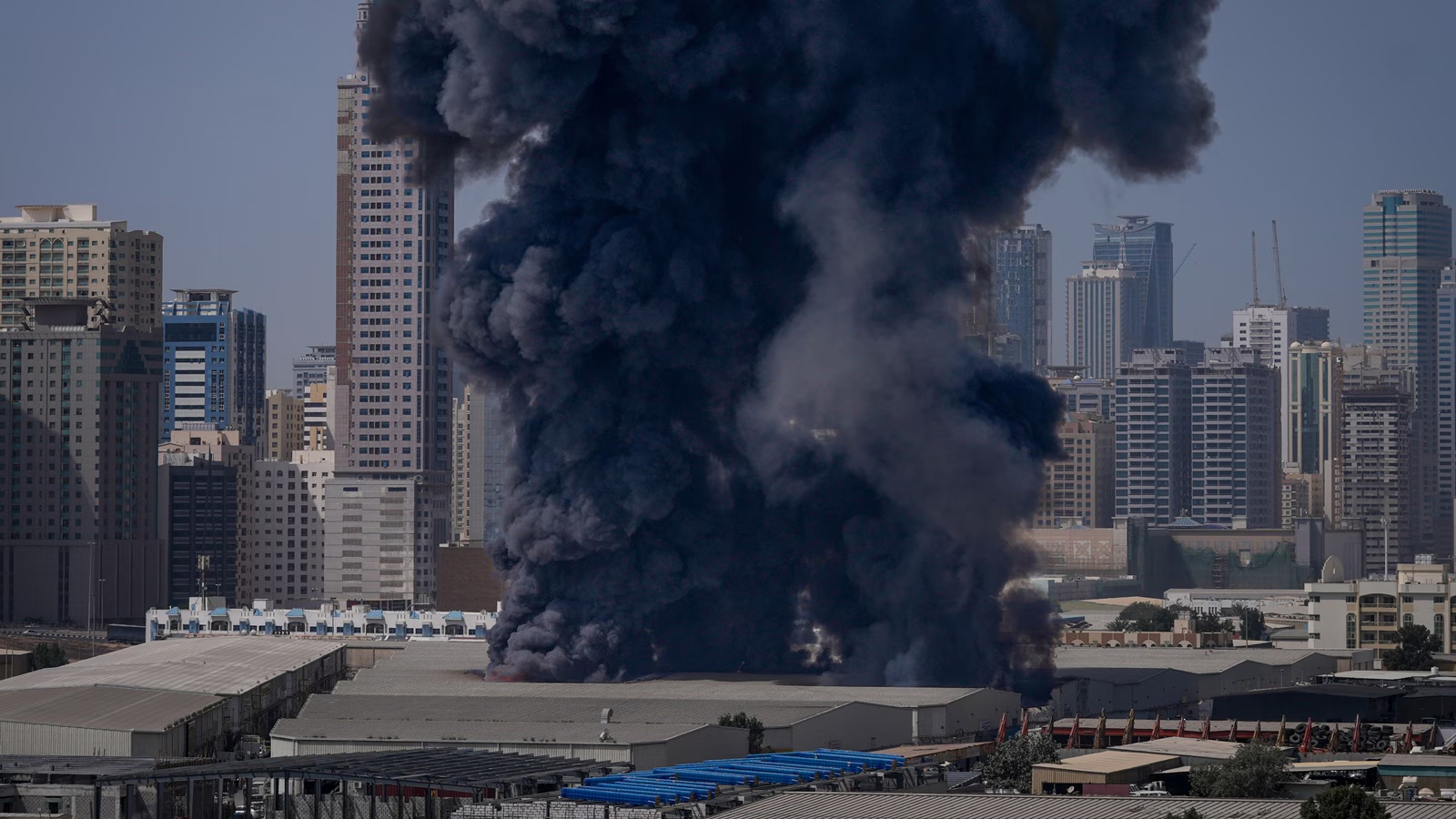

The escalation of attacks on critical energy infrastructure across the Middle East carries profound implications for regional sovereign capital, venture capital flows, and the foundational infrastructure underpinning economic stability. The recent drone strike and fire at ADNOC’s Ruwais refinery complex in Abu Dhabi, causing a precautionary shutdown, exemplifies the acute vulnerability of state-controlled hydrocarbon assets. Such disruptions inflict immediate losses on sovereign balance sheets through foregone production and potential repair costs, while simultaneously eroding market confidence in the security of supply from the world’s most critical oil-exporting region.
Concurrently, venture capital activity is undergoing a strategic realignment. Investors are increasingly redirecting capital towards firms developing advanced defense technologies, cyber-security solutions for industrial facilities, and renewable energy alternatives designed to mitigate hydrocarbon dependency and reduce regional energy security risks. The heightened threat environment is accelerating funding for startups focused on autonomous security systems, predictive analytics for infrastructure resilience, and scalable renewable energy projects capable of providing more localized power generation, thereby diminishing the strategic importance of vulnerable cross-border pipelines and vast centralized refineries.
The persistent targeting of energy hubs like Ruwais, Ras Tanura, and Bahrain’s Bapco refinery underscores the critical need for massive sovereign investment in infrastructure hardening. Governments face mounting pressure to allocate substantial sovereign capital towards advanced perimeter security systems, hardened control rooms, redundant supply chains, and diversified energy portfolios. This imperative transcends mere reactive security measures; it necessitates a fundamental rethinking of regional energy infrastructure architecture to enhance resilience against asymmetric threats, ensuring the continuity of essential hydrocarbon exports and industrial operations upon which national economies heavily depend.