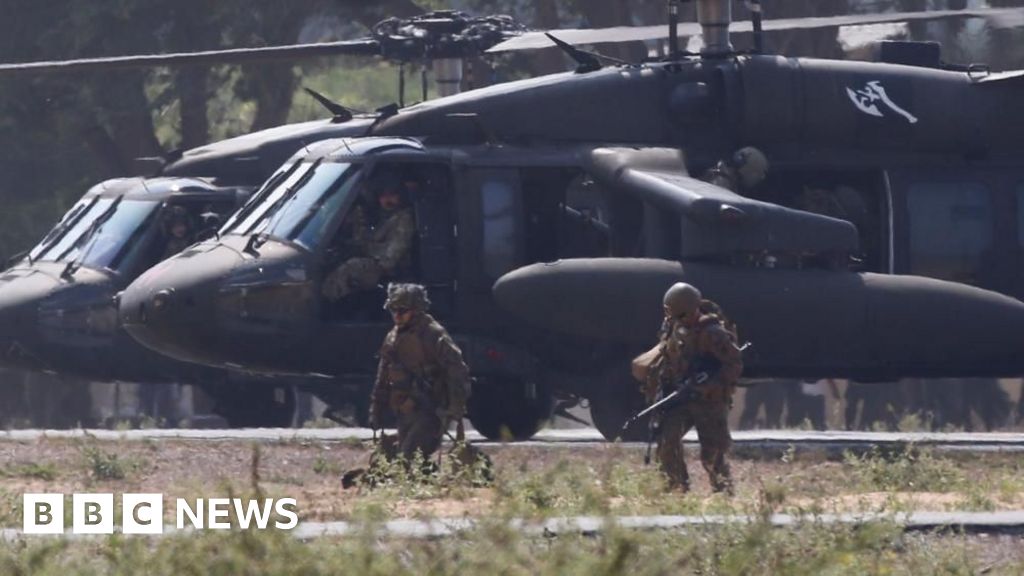

Thedeployment of a U.S. Marine Expeditionary Unit to the Middle East, approved by Defence Secretary Pete Hegseth and requested by U.S. Central Command, underscores a recalibration of security dynamics that reverberates across regional markets. While the immediate operational purpose remains to deter escalation, the signal of heightened U.S. presence directly influences sovereign risk assessments, prompting sovereign wealth funds to re‑evaluate exposure in volatile pockets and adjust allocation thresholds accordingly.
From a fiscal perspective, the anticipated increase in defence expenditure will compress fiscal space in several MENA economies, compelling governments to prioritise allocation of sovereign capital toward resilient infrastructure rather than discretionary spending. This rebalancing is likely to accelerate the issuance of sovereign bonds earmarked for defence‑linked projects, thereby affecting yield curves and attracting a new class of institutional investors focused on security‑adjacent returns.
Venture and private equity capital flowing into the region is being recalibrated in response to elevated geopolitical risk. Investors are increasingly directing funds toward defence technology, cybersecurity, and logistics platforms that promise operational redundancy and supply‑chain continuity. Sovereign wealth entities are launching dedicated defence‑tech funds, signalling a strategic pivot that aligns financial returns with national security imperatives.
Infrastructure planning in the MENA bloc now incorporates heightened emphasis on redundancy and digital fortification. Public‑private partnerships are being fast‑tracked for resilient power grids, fortified data hubs, and cross‑border transport corridors designed to mitigate disruption risks. Such initiatives not only bolster regional connectivity but also present compelling opportunities for global investors seeking exposure to the next generation of critical infrastructure assets.