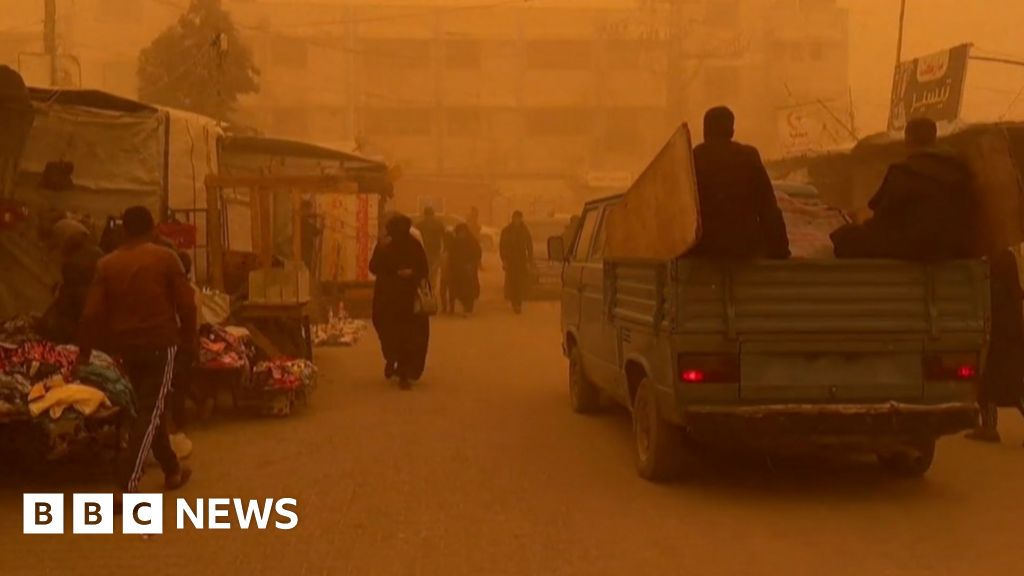

The recent sandstorm engulfing Gaza has intensified the humanitarian and economic crisis gripping the enclave, delivering a fresh blow to an already shattered infrastructure. With over two million Palestinians displaced and living in precarious conditions after years of conflict, the storm has underscored the acute vulnerability of Gaza’s civilian population. The destruction wrought by recent hostilities, combined with chronic underinvestment in resilient infrastructure, has left the region ill-equipped to weather environmental shocks, raising serious concerns about public health and safety.
For regional stakeholders, the crisis amplifies calls for renewed sovereign capital commitments to rebuild Gaza’s damaged infrastructure and stabilize its economy. The evolving situation presents both a moral and strategic imperative: without targeted investment in durable housing, energy systems, and healthcare facilities, Gaza risks spiraling further into instability, which could ripple across neighboring economies. Sovereign wealth funds and development banks from the Gulf may find this an opportunity to exert soft power while addressing urgent humanitarian needs, though any such deployments must prioritize transparency and accountability to avoid allegations of political entanglement.
While international humanitarian agencies focus on short-term relief, private sector entities and impact investors could play a role in supporting Gaza’s economic recovery through strategic infrastructure partnerships. However, the scale of intervention required far exceeds what the current venture capital ecosystem in the MENA region can offer. Should Gulf Cooperation Council members and multilateral institutions choose to act decisively, Gaza’s reconstruction could serve as a test case for integrating development capital with technological resilience in conflict-affected areas. Ultimately, the storms battering Gaza are both literal and figurative—a stark reminder that sustainable progress in the region hinges on transformative investment and coordinated governance.