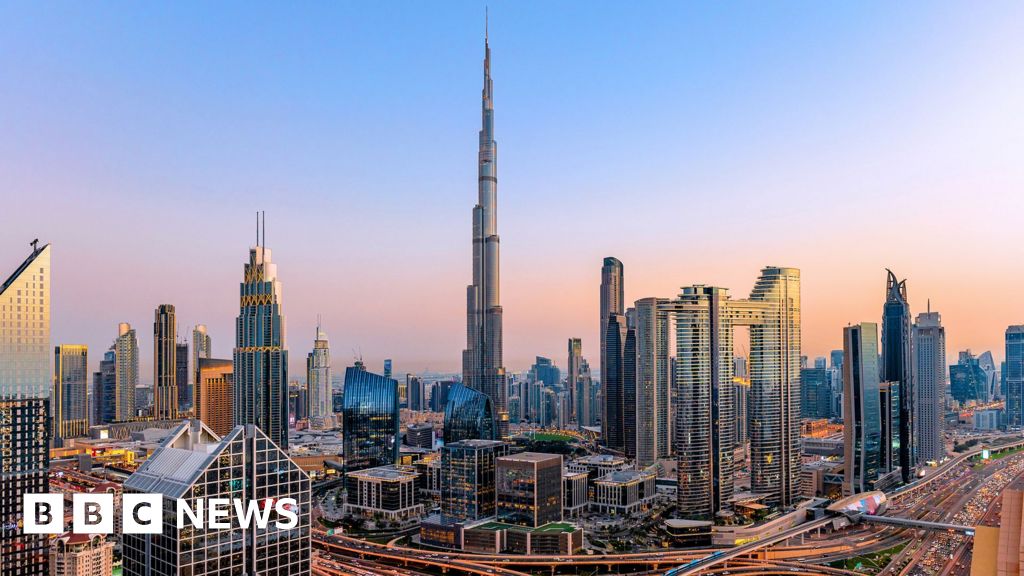

The city’s status as a safe haven for expatriates, tourists, and digital influencers has long been a cornerstone of its economic identity, but this perception is now under sustained pressure, prompting a reevaluation of its strategic value in the broader Middle East and North Africa (MENA) region. For sovereign capital, the erosion of this reputation risks undermining investor confidence in the city’s stability, a critical factor for high-net-worth individuals and institutional investors seeking refuge from geopolitical volatility. As sovereign wealth funds and state-backed entities prioritize capital preservation and diversified portfolios, any perception of instability—whether due to political tensions, security concerns, or regulatory unpredictability—could divert flows away from the region. This shift may exacerbate challenges in attracting long-term investments, particularly in sectors reliant on stable fiscal environments, such as infrastructure and real estate.
The decline of the city’s safe haven status also carries significant implications for venture capital dynamics in the MENA region. While the city once served as a magnet for entrepreneurs and startups seeking a neutral, business-friendly ecosystem, its recent erosion of trust could deter both domestic and international investors from channeling capital into the startup space. Venture capital firms typically prioritize regions with predictable regulatory frameworks and access to global markets, and any perception of risk—even if transient—may trigger a reallocation of funds toward more stable jurisdictions. This could stifle innovation and limit the growth of local tech ecosystems, which have historically relied on the city’s open environment to scale operations and attract talent.
Regional infrastructure development is another critical dimension of this shift. The city’s infrastructure, once seen as a symbol of modernity and efficiency, may face increased strain as economic diversification initiatives, such as Vision 2030, intensify. If the city’s ability to project stability wanes, it could undermine the financing mechanisms required for large-scale infrastructure projects, which depend on both public and private sector commitments. For instance, delays in sovereign capital deployment or heightened risk premiums on regional investments may slow progress on transportation networks, energy grids, and digital infrastructure, all of which are vital for sustaining economic momentum across the MENA region. The interplay between shifting investor sentiment and infrastructure needs could thus create a feedback loop, where declining confidence further impedes the development necessary to restore it.