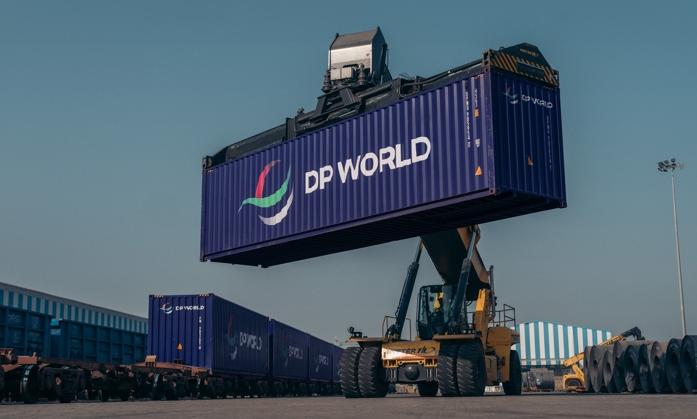

The successful execution of DP World’s logistics programme for the ICC Men’s T20 World Cup 2026 represents far more than an operational feat; it is a strategic demonstration of how sovereign-backed UAE entities are monetizing global sports investments to cement Dubai’s position as a non-oil trade and logistics nexus. The scale of the operation—coordinating air and sea freight from five continents to two disparate host nations—serves as a live-fire capability test for the infrastructure built by entities like DP World, which is majority-owned by Dubai World and, by extension, the emirate’s sovereign wealth apparatus. This directly translates into tangible business impact by de-risking large-scale international events for organizing bodies like the ICC, thereby creating a powerful template for future event-related contracts and reinforcing the value proposition of the UAE’s investment in port-centric economic zones.
For regional sovereign capital, such Projects underscore a critical shift from passive asset ownership to active, high-profile operational management that generates recurring revenue and enhances national brand equity. The logistical complexity managed by DP World—navigating customs, multimodal transport, and tight deadlines—mirrors the precision required in venture capital-backed supply chain tech plays, effectively stress-testing the company’s own integrated digital platforms. This capability signaling is invaluable, as it attracts co-investment opportunities and joint ventures with global private equity firms seeking exposure to emerging market logistics without direct infrastructure risk. The operation validates the sovereign wealth model of using flagship assets to pioneer markets and create arbitrage opportunities in time-sensitive, high-value cargo sectors.
The regional infrastructure implications are profound and multi-layered. The project’s success reinforces the strategic alignment between mega-sports investments (such as the UAE’s and Saudi Arabia’s ventures into cricket and other global sports) and the parallel expansion of physical and digital logistics corridors. DP World’s management of shipments into India and Sri Lanka, for instance, showcases its ability to interface with and bolster the South Asian logistics ecosystem, potentially paving the way for deeper integration with MENA-Asia trade initiatives. This creates a virtuous cycle: sporting events drive demand for world-class logistics, which in turn incentivizes further port, cargo terminal, and free zone upgrades across the Gulf, funded by sovereign capital and designed to capture a greater share of global trade flows.
Long-term, DP World’s demonstrated agility in executing such a complex, multi-country deployment positions it as a key infrastructure partner for any nation seeking to host a global event. This capability is a direct exportable service, turning the company into a sovereign-backed solutions vendor for infrastructure-deficit markets. The subsequent venture capital interest in the underlying technologies—tracking, customs clearance automation, last-mile coordination—will likely intensify, treating the operational rollout as a large-scale pilot. For the MENA region, this model provides a blueprint for leveraging sovereign capital to build operational excellence in strategic sectors, transforming event-driven logistics spikes into sustained competitive advantages that support long-term economic diversification goals.