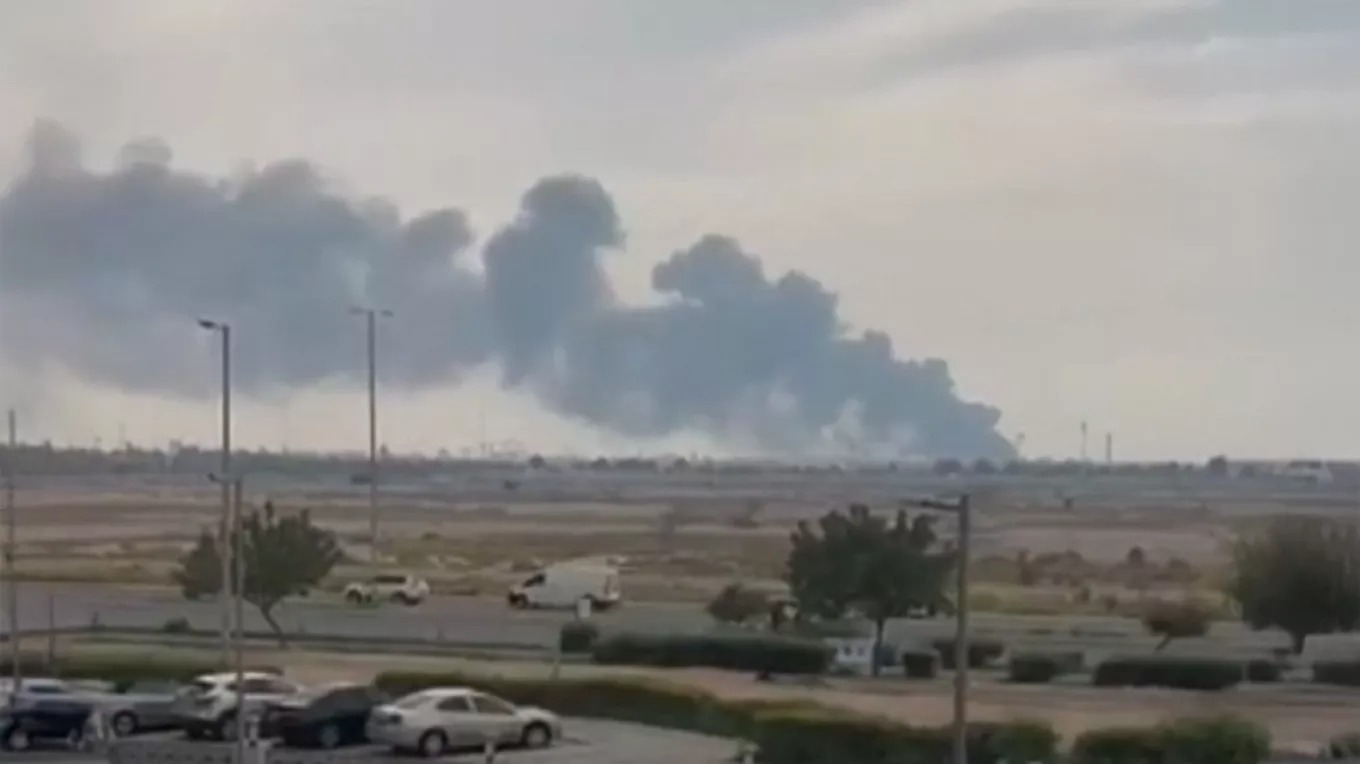

The escalating geopolitical tensions in the Middle East are sending tremors through the region’s energy infrastructure, with a recent drone strike targeting Abu Dhabi’s Ruwais refinery triggering a precautionary shutdown and raising serious concerns about supply chain vulnerabilities. This incident, following similar attacks on Gulf facilities in the wake of the US-Israeli conflict, underscores the fragility of the region’s energy assets and the potential for widespread disruptions to global markets. The Ruwais complex, a critical hub for Abu Dhabi’s downstream operations, including petrochemicals and fertilizers, represents a significant loss of refining capacity, potentially impacting regional and global petrochemical supplies. Such incidents exemplify the heightened risks associated with sovereign capital investments in energy infrastructure within the volatile MENA region and necessitate a reassessment of risk mitigation strategies by international investors.
The ripple effects of these attacks are manifesting in reduced oil production across the region. Saudi Aramco’s chief executive’s warning of “catastrophic consequences” if the Strait of Hormuz remains constricted reflects the potential for severe global economic implications. The Strait of Hormuz, a vital chokepoint for approximately 20% of global oil flows, is increasingly susceptible to disruptions, impacting not only the flow of crude oil but also potentially hindering the logistical and financial aspects of sovereign capital deployment within the region. Furthermore, the declaration of force majeure by Bahrain’s Bapco Energies and Kuwait Petroleum Corporation, alongside Qatar’s LNG production shutdown, represents a significant tightening of the energy market. The impact is felt across the global energy value chain, impacting oil prices, natural gas availability, and potentially exacerbating inflationary pressures.
Beyond immediate operational disruptions, these incidents are creating significant implications for regional infrastructure and future investment. The attacks highlight the need for enhanced cybersecurity measures and physical security protocols for energy facilities operating in the MENA region. The incident could trigger a reassessment of the long-term viability of certain energy projects, potentially leading to project delays or cancellations. While the region has witnessed substantial venture capital flow into renewable energy initiatives, the increased risks associated with energy security are likely to prioritize investments in more resilient and diversified energy sources. The development of robust regional energy infrastructure, including alternative supply routes and enhanced energy storage capacity, will be crucial to mitigating future vulnerabilities.
The long-term business impact will be defined by the efficacy of regional and international efforts to restore stability and enhance energy security. Sovereign wealth funds, critical drivers of investment in the MENA region, will need to carefully weigh the risks and rewards associated with further infrastructure development. Venture capital firms operating in the energy sector will need to adapt their investment strategies to address the heightened geopolitical risks. Ultimately, the ability of the MENA region to navigate these challenges will determine its future role as a global energy supplier and its attractiveness as an investment destination. The current climate demands a proactive approach to risk management and a commitment to building a more resilient and diversified energy ecosystem within the region.