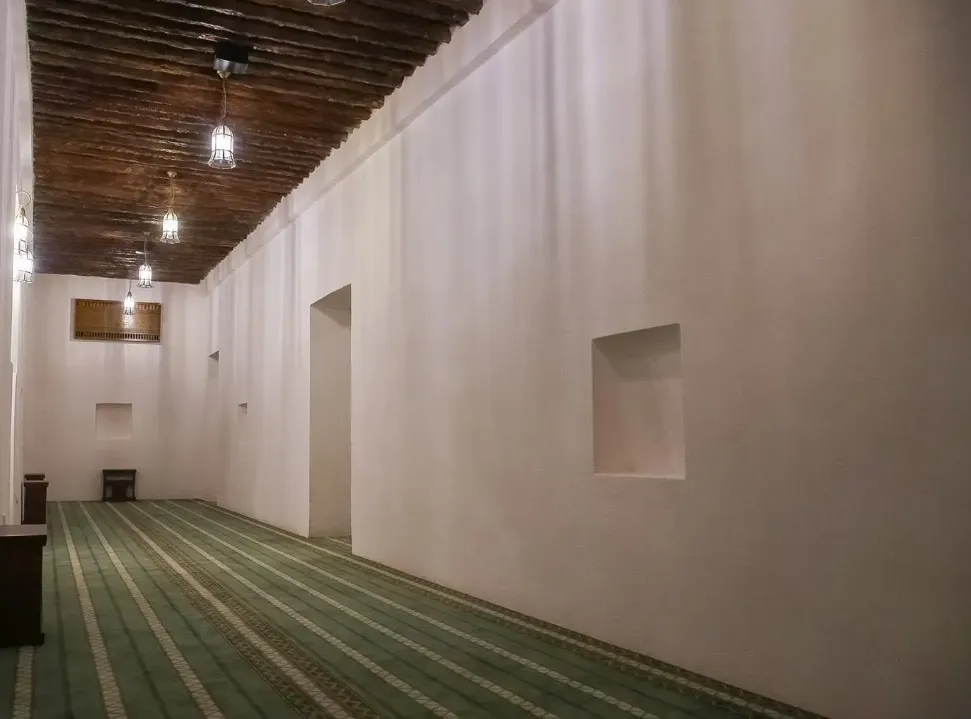

The recent revitalization of the Al-Habish Mosque in Al-Hofuf, spearheaded by the Prince Mohammed bin Salman Project for the Development of Historical Mosques, represents a significant, albeit localized, extension of Saudi Arabia’s broader cultural preservation strategy underpinning Vision 2030. While seemingly focused on heritage, this initiative carries notable implications for the region’s economic future. By safeguarding tangible cultural assets, the Kingdom reinforces its narrative as a destination attracting both domestic and international tourism, a key pillar of its diversification efforts. This endeavor, potentially attracting sovereign wealth fund investment and encouraging philanthropic capital, signals a long-term commitment to leveraging cultural heritage as a non-oil revenue stream. Furthermore, the project’s emphasis on modern amenities alongside historical preservation demonstrates a sophisticated understanding of evolving visitor expectations and the need for sustainable tourism infrastructure.
The scale of the project, encompassing comprehensive restoration and expansion, underscores the potential for impactful private sector engagement in cultural preservation across the MENA region. While direct venture capital flows into this specific project remain undisclosed, such undertakings often stimulate related industries – craftsmanship, historical research, and specialized construction – creating localized economic activity. Beyond tourism, the Al-Habish Mosque’s historical role as a center of Islamic learning highlights a deeper potential. The re-establishment of such sites as centers for educational or cultural exchange could foster regional collaboration and attract intellectual capital. The project’s meticulous preservation of architectural features serves as a model for other nations grappling with the challenge of balancing modernization with the safeguarding of their historical legacies, potentially attracting international partnerships and technical expertise.
Infrastructure considerations extend beyond the immediate physical restoration. The project necessitates upgrades to local utilities, transportation networks, and hospitality services around Al-Hofuf. This ripple effect can benefit regional infrastructure development, potentially attracting further public and private investment in connectivity and amenities. The inclusion of dedicated facilities for women and modern restroom provisions also reflects an awareness of the needs of a diverse visitor base, a crucial factor for maximizing the economic returns from cultural tourism development. The project’s success will likely encourage similar initiatives across the Kingdom and, potentially, within other MENA nations seeking to capitalize on their cultural assets to enhance their economic resilience.
Ultimately, the Al-Habish Mosque restoration is not simply a preservation exercise; it’s a bellwether for a larger trend. The strategic allocation of sovereign capital towards cultural heritage, coupled with the potential for attracting both domestic and international investment, signals a calculated move by Saudi Arabia to diversify its economy and strengthen its regional influence. The project also serves as a tangible demonstration of how cultural preservation can be interwoven with broader infrastructure development, creating a virtuous cycle of economic growth and cultural enrichment relevant to the evolving landscape of the MENA region. The focus on integrating historical sites with modern amenities is a critical development with implications for similar projects across the region.