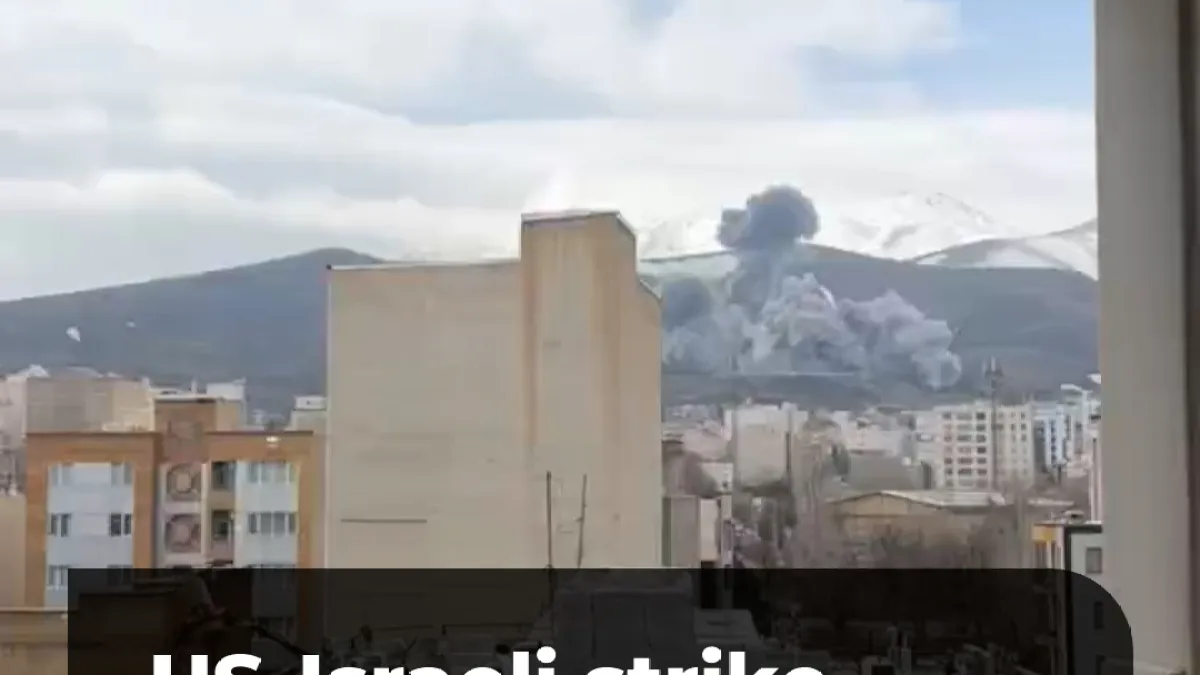

Escalating geopolitical tensions in the Middle East and North Africa (MENA) are triggering profound shifts in sovereign capital allocation and regional business ecosystems. The recent intensification of conflicts involving Iran, the US, and Israel underscores systemic vulnerabilities in sovereign wealth funds (SWFs) and investment frameworks across the region. MENA nations, which hold some of the world’s largest sovereign reserves—exceeding $10 trillion—are grappling with the dual challenge of maintaining liquidity while navigating heightened uncertainty. Rising defense spending and sanctions exceptions to critical assets have prompted Saudi Arabia and the UAE to redirect capital toward self-reliance initiatives under Vision 2030, amplifying fiscal consolidation pressures. Concurrently, European debt issuers seeking access to Gulf capital face elongated underwriting timelines, as rating agencies signal heightened risk premiums for sector-specific exposure. Oil-major dependent economies are experiencing divergent outcomes; while OPEC+ production cuts may stabilize revenues, volatility in regional refinery hubs and supply chain disruptions could erode the export competitiveness of secondary energy producers like Egypt and Algeria.
The venture capital ecosystem in MENA is confronting a significant inflection point, with capital flight and strategic pivots dominating the institutional narrative. Cross-border venture inflows into the region, which peaked in 2024 at a record $4.5 billion, are anticipated to decline 30-35% in Q2 2026 amid institutional de-risking behaviors. Core sectors like fintech and agritech, already underinvested compared to defense spending surges (+52% YoY), risk prolonged funding droughts as global investors redirect assets toward military R&D and energy security ventures. Israeli startups, despite lagging regional peers in diversification, are experiencing compressed valuations and exit liquidity challenges as acquirers reassess cross-border M&A amid regulatory scrutiny. MENA venture trusts are now prioritizing near-and-shore projects in MENA-adjacent economies like Mauritania and Chad, signaling a recalibration of risk-return frameworks to accommodate protracted instability. Meanwhile, sovereign-backed venture facilities such as Saudi Arabia’s Strategic Venture Capitals Fund are doubling down on localized “economic patriotism” mandates, though these initiatives face criticism for stifling organic innovation ecosystems.
Regional infrastructure networks are undergoing urgent reassessment of resilience and diversification imperatives. The disruption of critical logistics corridor access through security hotspots has exposed irreversible dependencies on Gulf-choke points, with cross-border freight costs to Asia rising 22% in March 2026 against a 6% YoY decline in pre-conflict rates. Port operators in Amman, Basra, and Alexandria are accelerating investments in inland rail networks and bonded warehousing to offset Red Sea transit risks, though capital constraints limit execution speed. Conversely, defense infrastructure spending is bulging, with Qatar’s Emarat Bank increasing defense financing lines to $22 billion annually by 2030, targeting drone detection systems and border security upgrades. However, these shifts risk underinvestment in foundational civil infrastructure—water desalination, metros, and grid expansions—which remain chronically underfunded relative to GDP. The conflict-driven reallocation of infrastructure capital underscores MENA’s precarious trajectory: a region rich in capital but burdened by systemic rigidity in leveraging it for sustainable economic transformation.