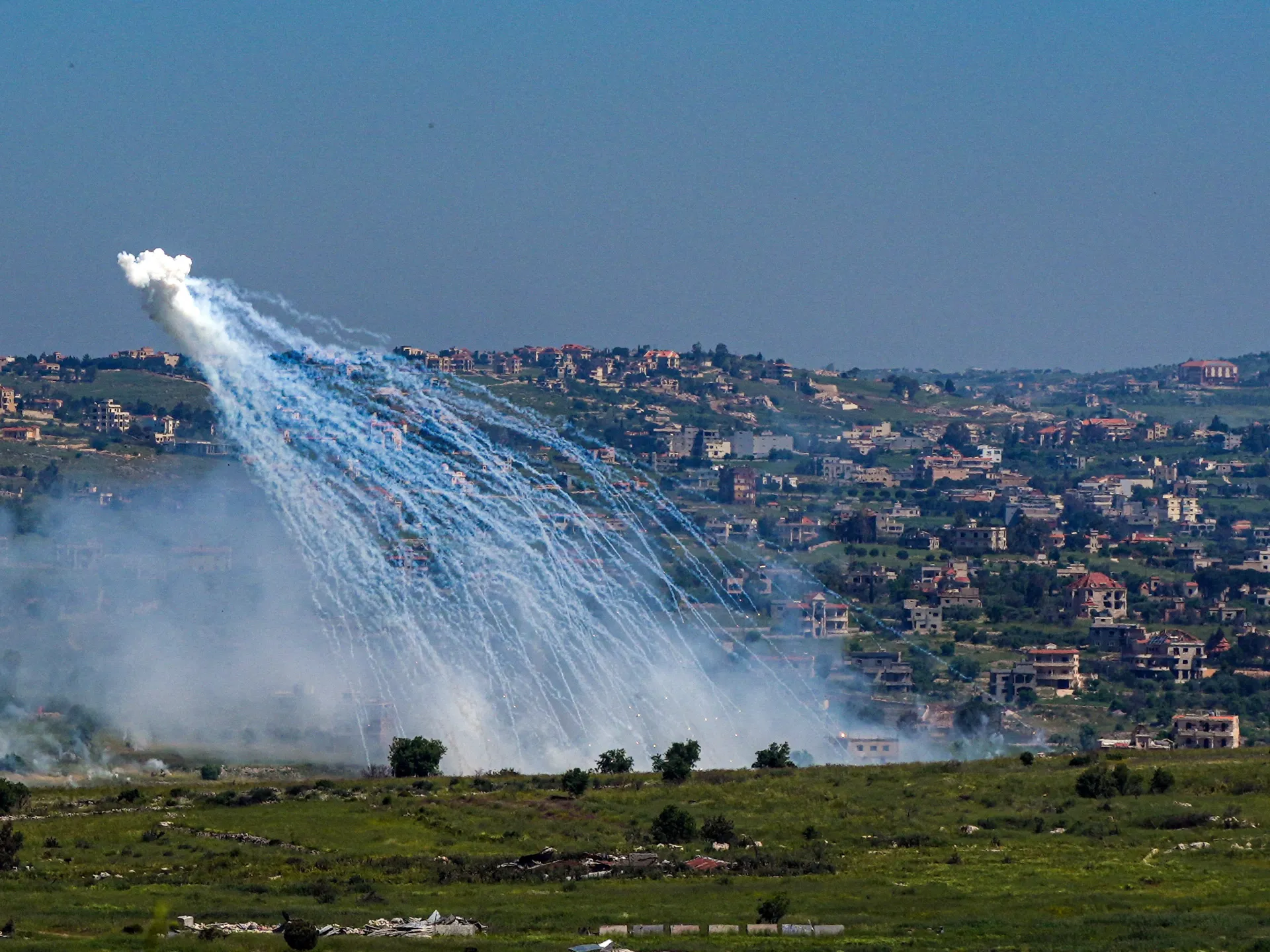
The Central Board of Secondary Education’s (CBSE) decision to cancel Class X and XII examinations across several MENA nations – Bahrain, Iran, Kuwait, Oman, Qatar, Saudi Arabia, and the UAE – represents a significant, albeit contained, disruption to regional educational infrastructure and carries broader implications for human capital development. While ostensibly a response to escalating geopolitical tensions, specifically the conflict involving Iran and its impact on civilian infrastructure, the cancellation underscores the increasing risk premium associated with operating educational institutions, and particularly standardized testing centers, within the region. This will likely accelerate existing trends toward localized curriculum development and increased investment in digital learning platforms capable of operating independently of physical examination infrastructure.
From a sovereign wealth fund (SWF) perspective, this event highlights the necessity for continued diversification away from hydrocarbon reliance and toward sectors resilient to geopolitical instability. Increased allocations to technology-enabled education, particularly EdTech companies focused on adaptive learning and remote assessment, are anticipated. Furthermore, the disruption will likely prompt regional governments to reassess their contingency planning for critical infrastructure, including educational facilities, and potentially increase investment in security measures and alternative examination protocols. The UAE, with over 100 CBSE-affiliated schools, faces the most immediate logistical and reputational challenges, necessitating swift communication regarding alternative assessment methodologies to maintain international academic standards.
Venture capital activity in the MENA EdTech space is poised for a boost. Startups offering solutions for secure online proctoring, alternative credentialing, and personalized learning pathways will become increasingly attractive to investors. The cancellation creates an immediate market need for scalable, reliable alternatives to traditional board examinations. However, successful ventures will need to navigate complex regulatory landscapes and address concerns regarding data privacy and equitable access to technology. Existing regional players like Noon Academy and Classera are well-positioned to capitalize on this demand, while international EdTech firms may seek strategic partnerships to penetrate the MENA market.
The CBSE’s decision also serves as a stark reminder of the interconnectedness between geopolitical risk and economic stability in the region. While the immediate impact is limited to the education sector, the underlying instability could deter foreign direct investment in other critical areas, such as infrastructure development and tourism. The long-term consequences will depend on the trajectory of the regional conflict and the ability of MENA governments to demonstrate resilience and maintain investor confidence. The lack of clarity regarding result declaration for affected students further exacerbates uncertainty and necessitates proactive engagement from educational authorities to mitigate potential disruptions to higher education pathways.