
Escalating Tensions in Lebanon: Implications for Middle Eastern Security and Regional Infrastructure
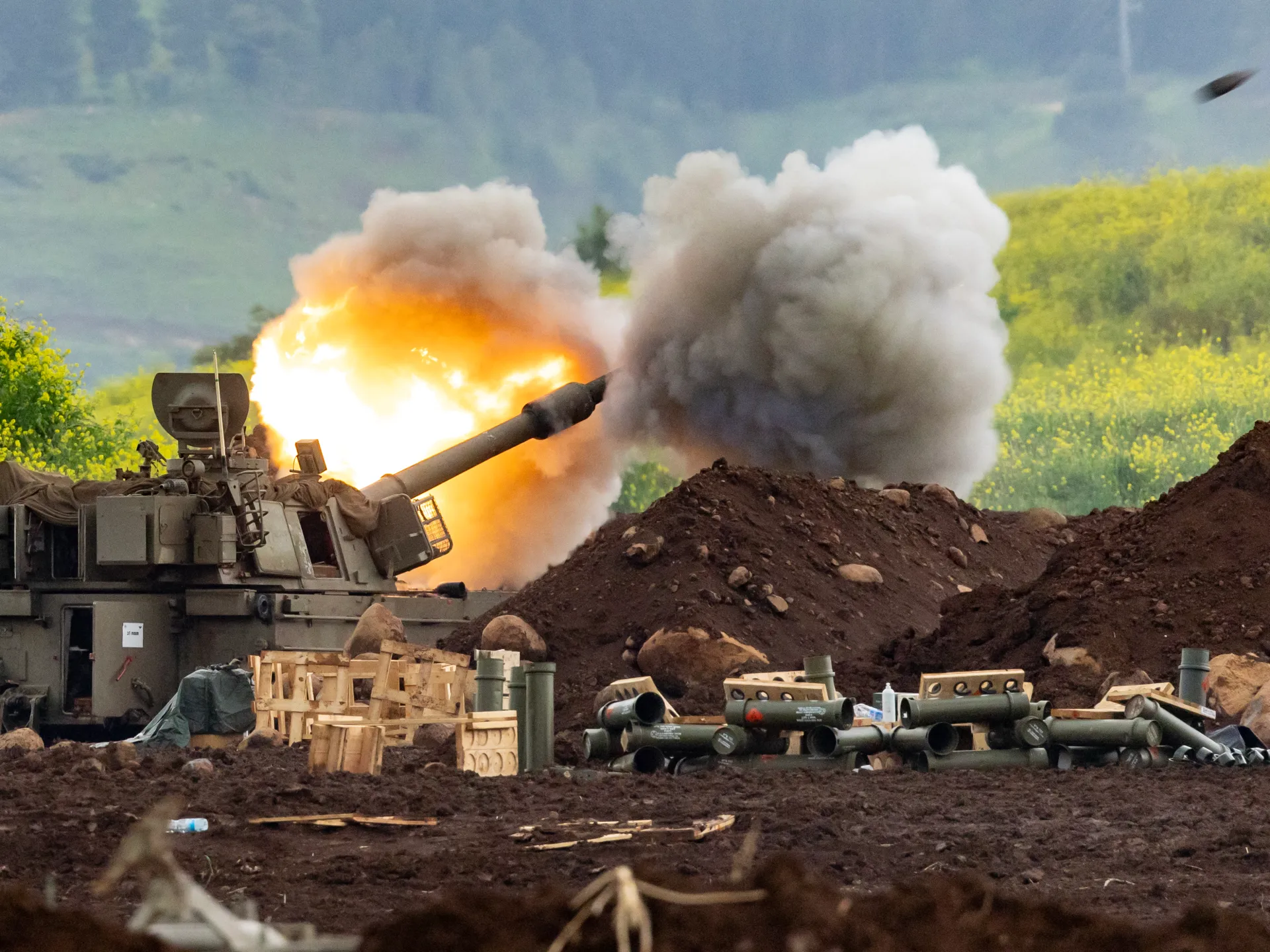
The recent intensification of Israeli military operations in southern Lebanon, centered on the strategically vital town of Khiam, highlights a significant escalation in regional security dynamics. While the immediate focus remains on military clashes, the broader implications for the Middle East and North Africa (MENA) region extend far beyond battlefield developments. This escalation carries profound business, sovereign capital, venture capital, and infrastructural ramifications that warrant close, sustained analysis.
The operational focus on Khiam, a stronghold of Hezbollah, underscores the strategic importance of this region. The town’s elevated position offers a commanding view of northern Israel and critical access to the Litani River, a vital logistical artery linking southern Lebanon to the Bekaa Valley and the wider Mediterranean. Israel’s efforts to disrupt Hezbollah’s supply lines and eliminate its infrastructure represent a direct challenge to the regional balance of power. This military action introduces a heightened risk of broader regional instability, potentially impacting trade routes, energy security, and the flow of capital across the region.
Sovereign capital flows into the MENA region are currently concentrated in sectors such as energy, infrastructure development, and technology, and the current crisis could trigger a reassessment of investment strategies. Regional sovereign wealth funds may alter their allocations based on perceived risk, potentially shifting capital towards more secure assets or directing investments towards bolstering national defense capabilities. This shift could create opportunities for countries with robust defensive infrastructure and economic resilience, while also posing challenges for those heavily reliant on regional trade routes or exposed to geopolitical instability. Venture capital investment in the tech sector could also be impacted, with investors potentially scrutinizing the political landscape more closely before committing capital to projects in high-risk areas. The uncertainty surrounding the conflict may lead to a slowdown in innovation and the deployment of new technologies, particularly those with regional strategic importance.
Furthermore, the conflict has significant implications for regional infrastructure. The potential for further escalation could disrupt vital transportation networks, including maritime lanes and land routes, impacting trade and economic activity. The vulnerability of critical infrastructure like ports and energy facilities to attack could necessitate costly upgrades and increased security measures. The long-term impact could involve a restructuring of regional infrastructure investments, with a greater emphasis on resilience, redundancy, and enhanced security protocols. The need for robust digital infrastructure to facilitate remote work, supply chain management and increased online transactions could increase demand for investment in areas like fiber optics and 5G.
The direct human cost of the conflict – including the displacement of over 800,000 people – underscores the immediate impact on regional economic activity and humanitarian needs. While the immediate focus is on survival and reconstruction, the long-term implications for labor markets, consumer spending, and regional stability will require careful management. The conflict also fuels regional power struggles, potentially impacting existing trade agreements and investment partnerships. The resolution of the conflict will require a coordinated diplomatic effort to de-escalate tensions, stabilize the region and ensure economic recovery. For investors and businesses operating in the MENA region, a proactive approach to risk management, diversification of investments, and a close monitoring of geopolitical developments will be essential for navigating this turbulent period.