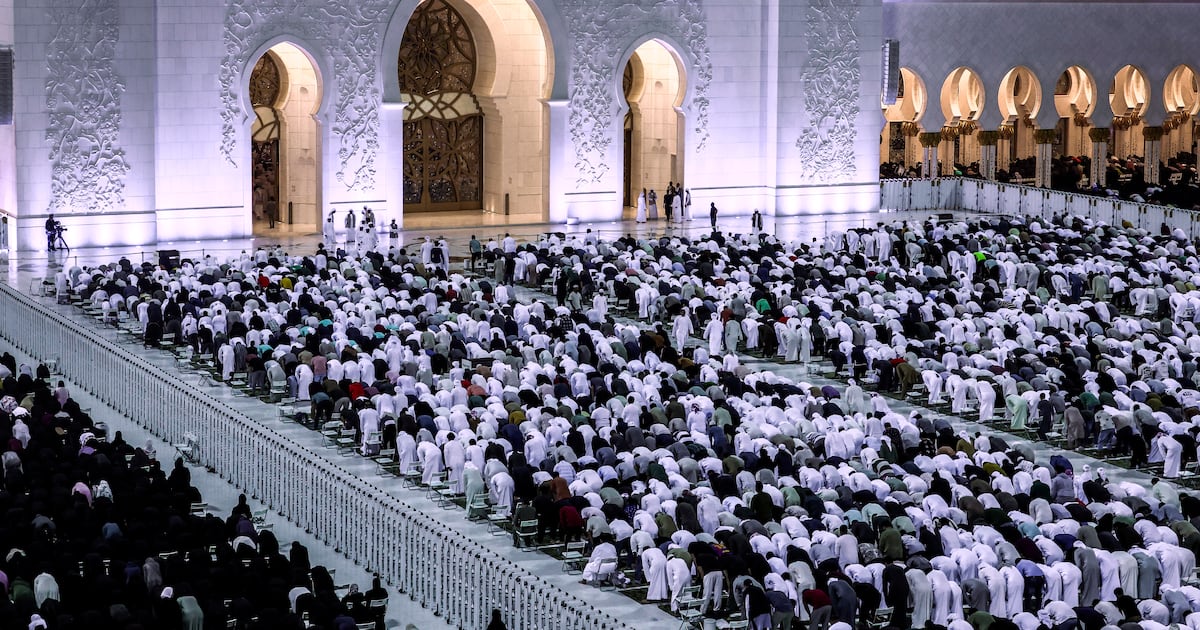

The observance of Laylat al‑Qadr, widely referred to as the Night of Destiny, drives a measurable short‑term uplift in economic activity across the MENA region. Mosques in Abu Dhabi, Riyadh, Doha and Casablanca report attendance spikes that translate into heightened demand for hospitality, transportation and retail services, with hotel occupancy rates in key gateway cities rising by an estimated 8‑12 percent during the final ten days of Ramadan. Charitable giving, a core component of the night’s observance, also channels significant flows into zakat‑linked funds, bolstering liquidity in the non‑oil sector and providing a predictable conduit for social‑impact financing.
Sovereign wealth funds and central banks in the GCC adjust their short‑term market operations to accommodate the seasonal influx of remittances and consumer spending that characterises Laylat al‑Qadr. Abu Dhabi’s ADQ and Qatar Investment Authority routinely increase allocations to short‑duration, high‑credit instruments in the week preceding the night, anticipating a temporary rise in domestic currency demand. Simultaneously, regional development banks earmark contingent financing for infrastructure projects—such as expanded mosque precincts, crowd‑management systems and emergency‑response facilities—to ensure that the heightened public‑space utilisation does not strain existing assets.
Venture capital firms active in the MENA tech ecosystem report a consistent deal‑flow acceleration during the Ramadan‑Laylat al‑Qadr window, particularly in fintech, halal‑e‑commerce and digital philanthropy platforms. The surge in mobile‑payment volumes and online donation activity provides measurable traction metrics that investors use to validate growth hypotheses, leading to an uptick in Series A and Series B closures in the weeks following the night. This seasonal momentum often feeds into broader annual fundraising cycles, reinforcing the region’s reputation as a fertile testing ground for sharia‑compliant innovation.
From an infrastructure perspective, the predictable concentration of worshippers on odd‑numbered nights prompts governments to pre‑position assets such as additional public‑transport runs, temporary power‑generation units and expanded medical‑aid stations. These contingency measures, financed through sovereign‑linked special purpose vehicles, not only assure public safety during Laylat al‑Qadr but also generate data sets that inform long‑term urban‑planning investments in crowd‑resilient design. Consequently, the night’s religious significance acts as a catalyst for measurable economic, fiscal and infrastructural outcomes that reverberate across the broader MENA business landscape.