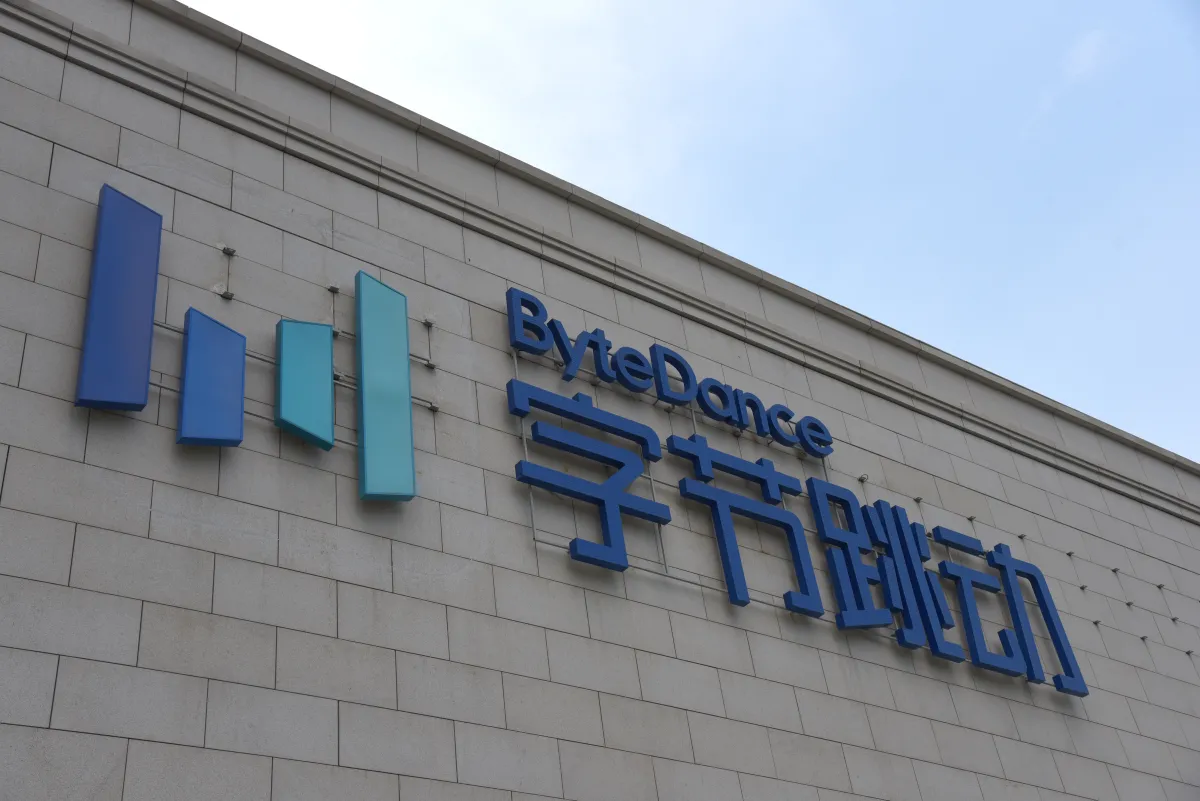

ByteDance’s decision to pause the global rollout of its AI video model, Seedance 2.0, underscores the escalating legal tensions between Silicon Valley and Hollywood over AI-generated content. The Chinese tech giant’s experience reveals the substantial barriers facing AI startups seeking to deploy transformative technologies across international markets. The company’s measured response demonstrates the delicate balancing act required to navigate intellectual property concerns while maintaining technological innovation timelines. In delaying its expansion plans, ByteDance has provided entertainment industry stakeholders additional time to establish precedent-setting legal frameworks that will likely shape the commercial AI landscape.
For markets evaluating sovereign capital deployment, ByteDance’s experience carries significant implications. Middle Eastern investment vehicles have accelerated allocations to AI technologies, viewing them as critical sovereign infrastructure assets. The legal challenges confronting Seedance 2.0 highlight the unique regulatory risks associated with deploying AI content generation tools across geopolitically sensitive entertainment markets. MENA region sovereign wealth funds must now weigh intellectual property frameworks as critical risk factors in their technology investment decisions. The entertainment industry’s response to ByteDance serves as a case study for evaluating future AI deployment strategies in high-IP-value markets.
The venture capital community faces an evolving calculus as AI startups increasingly encounter intellectual property litigation. Records indicate that AI licensing revenue remains largely immature, making copyright lawsuits potential critical business disruptions rather than mere negotiation tactics. Capital allocators must now factor extended development timelines into their deployment models, potentially impacting valuations for pre-revenue AI platforms. As competitors monitor ByteDance’s legal positioning, market dynamics favor AI companies that can demonstrate intellectual property compliance while maintaining technological competitiveness. This tension creates nuanced investment opportunities for MENA investors structuring technology partnerships that anticipate evolving regulatory frameworks while preserving operational flexibility.