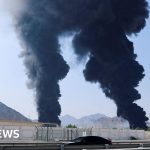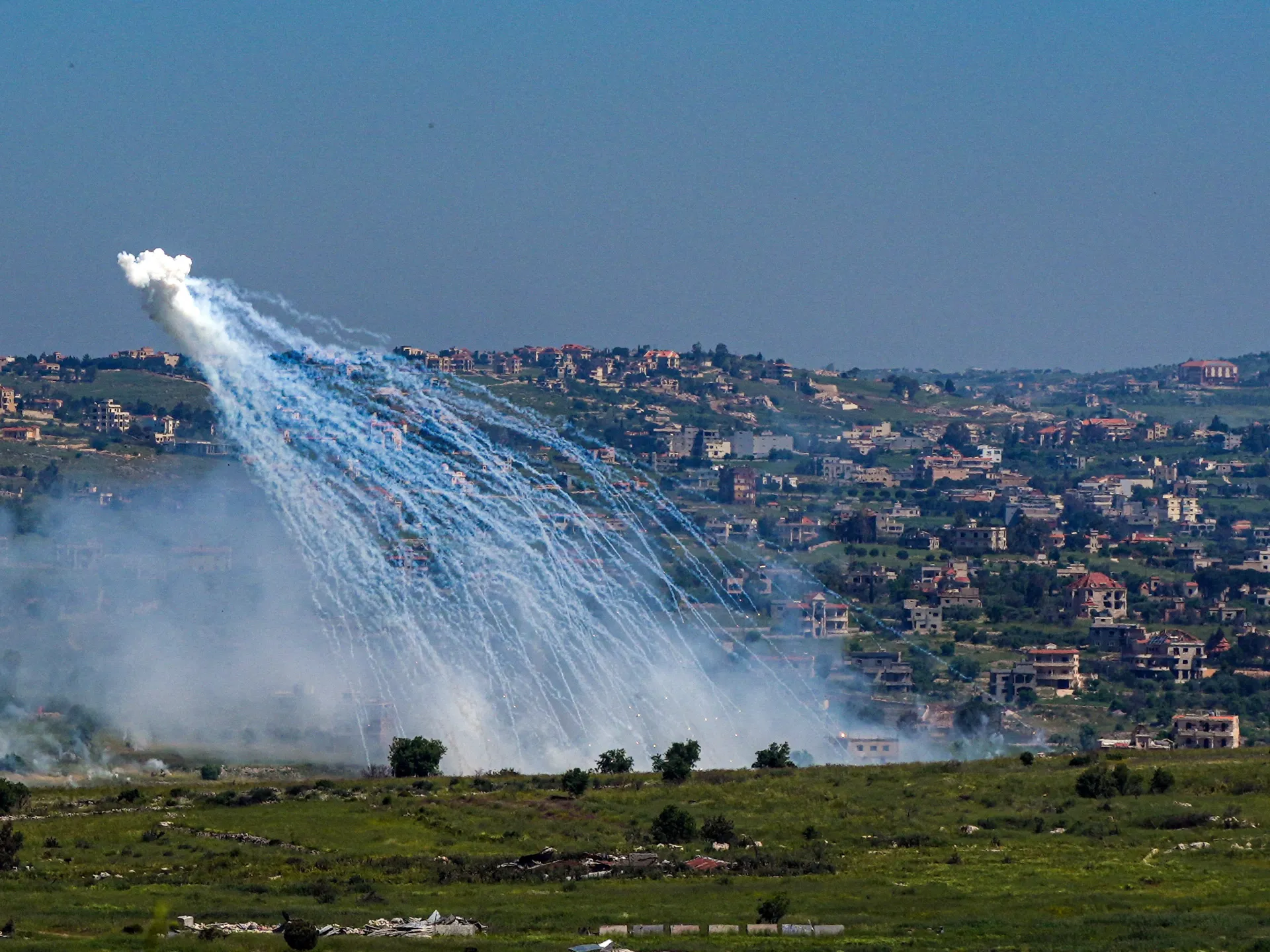

The escalating geopolitical tensions in the Middle East and North Africa (MENA) region are increasingly impacting critical energy infrastructure, with recent incidents in Fujairah, UAE, illustrating the vulnerability of key operational hubs. A fire at key oil-loading facilities in Fujairah, precipitated by debris from a drone interception, has temporarily halted operations, highlighting the growing risk posed by sophisticated, low-cost aerial attacks. While thankfully, no injuries have been reported, this incident underscores the potential for significant disruption to regional oil supply chains and the ripple effects on global energy markets.
The ramifications extend beyond immediate operational downtime. This latest event follows a similar incident targeting ADNOC’s Ruwais refinery, further demonstrating a pattern of attacks linked to broader strategic concerns emanating from the US-Israeli conflict and Iran’s influence. Such disruptions necessitate a reassessment of risk management strategies, prompting heightened scrutiny of security protocols across the MENA region’s energy assets. The implications for sovereign capital are considerable, particularly for countries heavily reliant on energy exports. The potential cost of repairing or replacing damaged infrastructure, coupled with potential revenue losses, presents a significant financial burden for national budgets.
Furthermore, the incident has significant implications for the venture capital ecosystem actively investing in the region’s energy transition. The risk profile surrounding energy infrastructure is demonstrably elevated, potentially deterring future investment in innovative solutions for enhanced security, automation, and resilience. The need for advanced cybersecurity measures, drone defense systems, and robust physical security protocols will drive demand for specialized technologies, creating new opportunities for regional and international firms. This shift may incentivize investors to favor projects with demonstrated risk mitigation strategies and a clear pathway to long-term profitability.
The broader regional infrastructure landscape is adapting to these new realities. Governments are accelerating investments in comprehensive cybersecurity frameworks, modernizing physical security systems, and exploring public-private partnerships to enhance resilience. This includes strengthening air defense capabilities, bolstering coastal security, and promoting collaborative intelligence sharing. The long-term goal is to mitigate the risk of future attacks and maintain the stability of the region’s energy sector—a critical component of global economic security. The challenges are substantial, but the urgency of ensuring continued energy security necessitates proactive, strategic investment and a willingness to embrace innovative solutions.