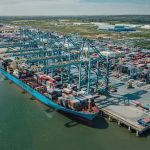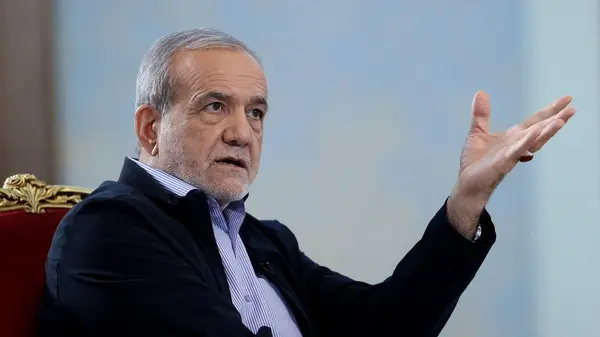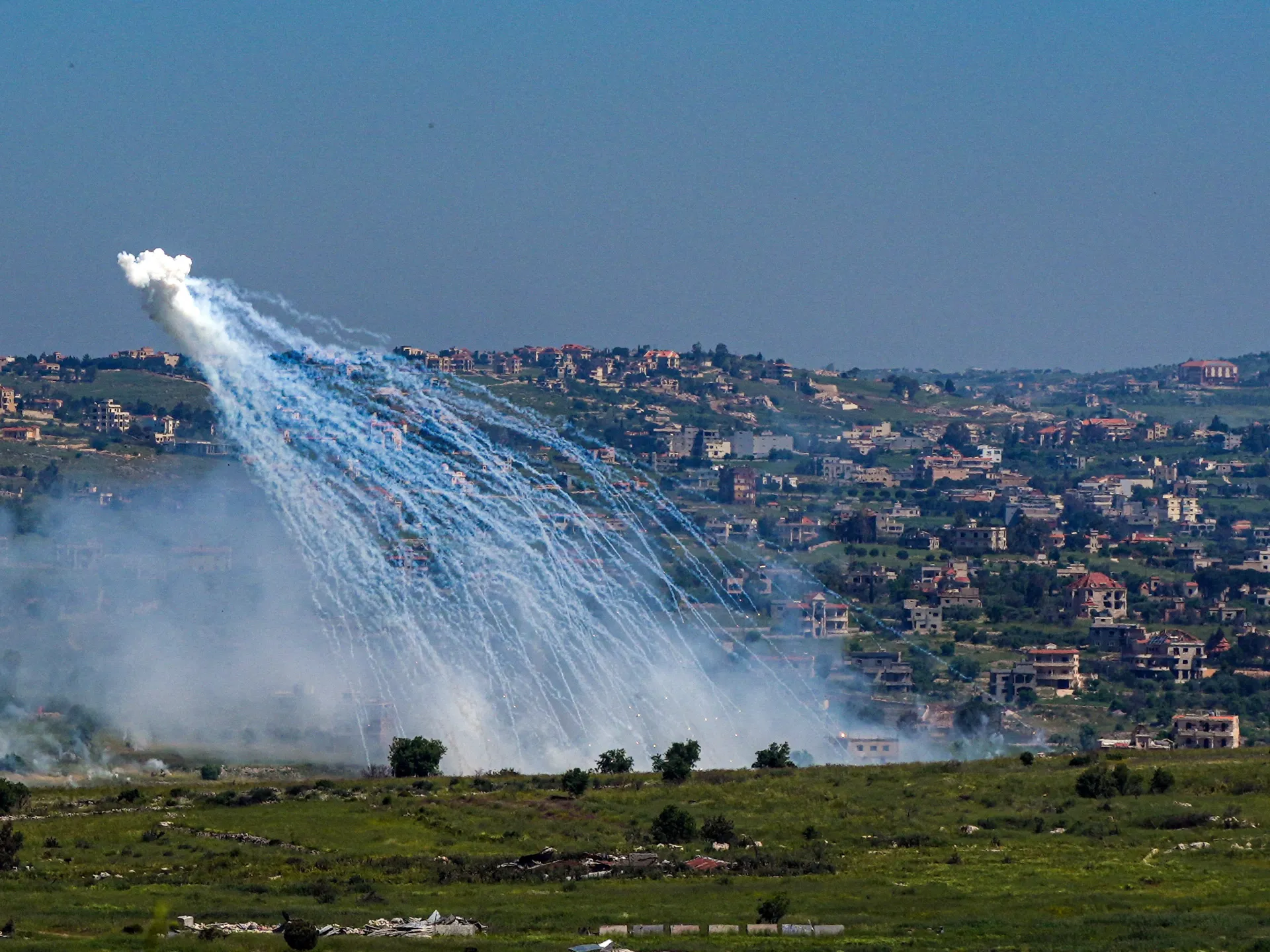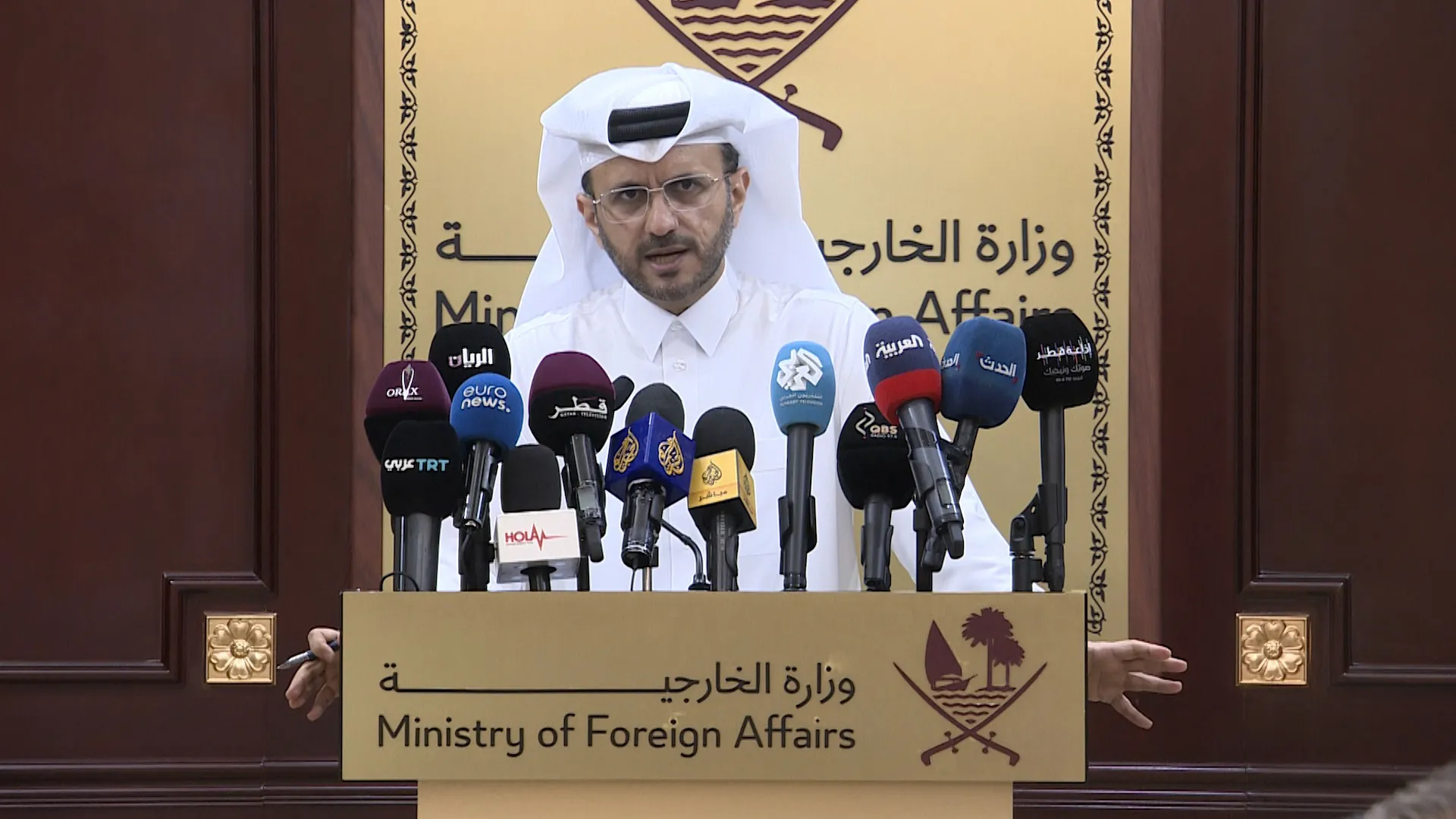

Escalating tensions between Qatar and Iran following alleged Iranian attacks on residential zones and Hamad International Airport underscore the volatile interplay between geopolitical discord and economic stability in the MENA region. The alleged strikes, if substantiated, threaten to disrupt a critical hub for regional connectivity and tourism, with Hamad Airport serving as a linchpin for Gulf air traffic and a linchpin for sovereign wealth funds managing cross-border investments. Such volatility could erode investor confidence, prompting risk premiums in asset pricing and complicating capital allocation for sovereign entities balancing fiscal discipline with regional security obligations. For nations reliant on stable foreign direct investment (FDI), including Qatar’s strategic partnerships in energy and logistics, the episode highlights systemic risks embedded in MENA’s interconnected financial ecosystems.
The conflict’s ripple effects on sovereign capital markets are profound. Qatar, as host to the world’s fourth-largest sovereign wealth fund (the Public Investment Authority), faces mounting pressure to align defense expenditures with economic diversification goals. Iranian aggression risks elevating military spending across the Gulf, diverting resources from transformative sectors like fintech, renewable energy, and digital infrastructure. Concurrently, constrained fiscal flexibility may impede sovereign entities’ ability to underwrite regional stability initiatives, such as cross-border infrastructure projects or post-conflict reconstruction bonds. This dynamic could trigger capital flight fears among GCC allies, exacerbating liquidity strain in energy-dependent economies already contending with fluctuating oil revenues.
Venture capital ecosystems in the region will bear the collateral damage of heightened geopolitical risk. Iranian hostilities toward civilian infrastructure may deter foreign institutional investors wary of operating in volatile jurisdictions, stifling cross-border VC flows critical for scaling MENA’s nascent startups. Local entrepreneurs, particularly in tech hubs like Doha, Riyadh, and Dubai, now confront a dual challenge: balancing innovation amid regional instability while navigating heightened scrutiny of supply chains and workforce mobility. Meanwhile, the incident could spur opportunistic M&A among regional conglomerates seeking to consolidate influence—a zero-sum game that risks fragmenting the GCC’s push for integrated financial markets.
Regional infrastructure resilience emerges as both a victim and a catalyst for long-term adaptation. The targeting of airports and civilian zones underscores vulnerabilities in MENA’s physical and digital backbone, with implications for logistics networks, energy grids, and global trade corridors. Qatar’s strategic investments in smart cities, 5G, and sustainable logistics must now contend with asymmetric warfare threats, prompting accelerated spending on cyberdefense, perimeter security, and redundancy planning. For the broader region, this crisis may catalyze a pivot toward decentralized infrastructure models—such as blockchain-secured payment systems or satellite-based communication networks—to mitigate centralized choke points. Ultimately, the episode serves as a stark reminder that stability in MENA’s financial and infrastructural ecosystems is inseparable from conflict de-escalation, demanding coordinated multilateral responses to avert cascading economic fallout.