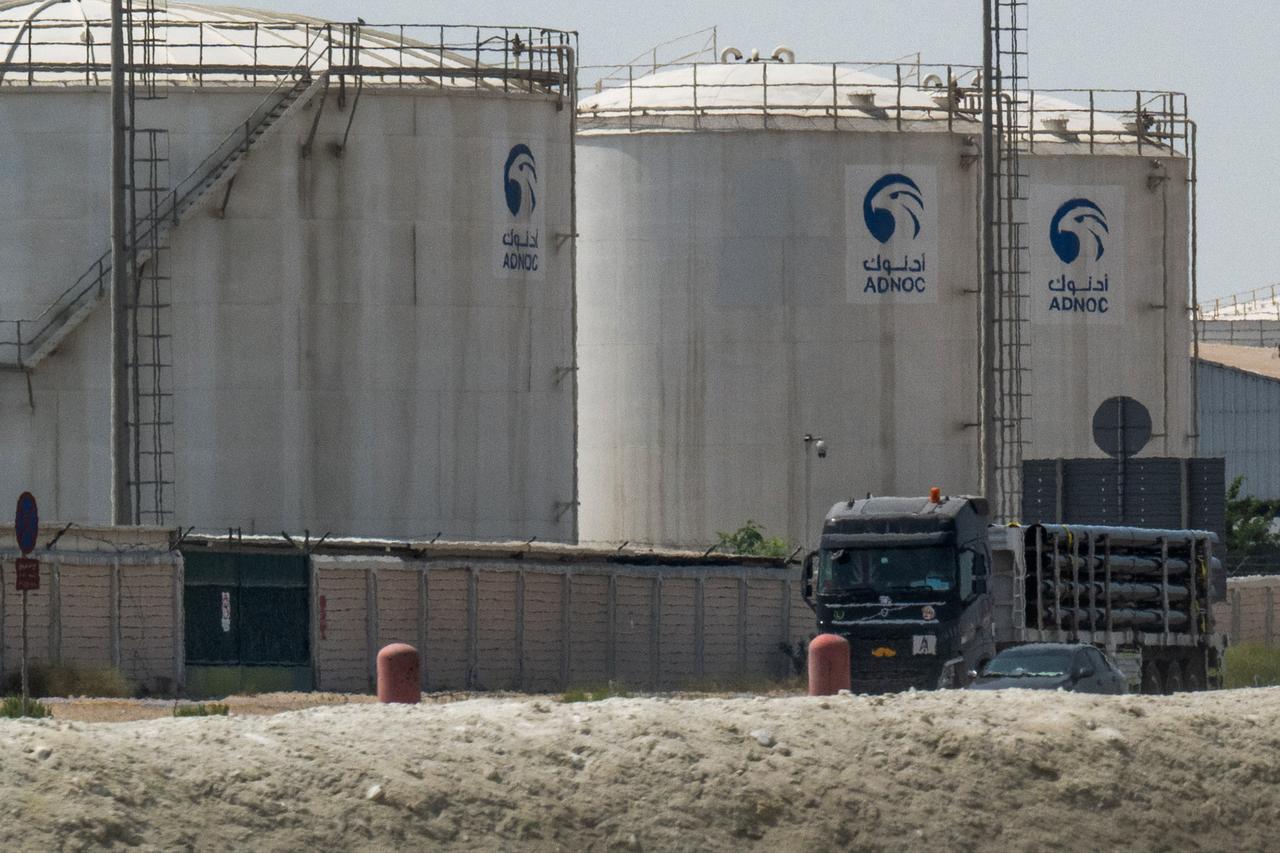

The Iranian‑linked drone strike that ignited a fire at ADNOC’s Ruwais industrial complex marks a pivotal breach of the defensive perimeter surrounding the Gulf’s most critical downstream infrastructure. With a refining capacity of 922,000 barrels per day—approximately one‑quarter of the United Arab Emirates’ total output—the incident forced an abrupt curtailment of operations, underscoring the vulnerability of large‑scale petrochemical assets to low‑cost, high‑precision aerial threats. Immediate operational halts, while precautionary, sent a clear signal to global markets that the security calculus for sovereign energy projects has been irrevocably altered.
From a sovereign capital perspective, the event reverberates through Abu Dhabi’s sovereign wealth fund and the broader GCC investment ecosystem, compelling a reassessment of exposure to hydrocarbon‑centric assets. Analysts anticipate a recalibration of asset‑allocation models, with incremental shifts toward diversification away from single‑site, high‑intensity refining hubs and heightened scrutiny of geopolitical risk premiums embedded in sovereign bonds. The episode also accelerates strategic dialogues among Gulf Cooperation Council members regarding joint resilience mechanisms, including shared early‑warning systems and coordinated response protocols that could reshape inter‑governmental investment priorities.
Venture capital activity across the Middle East and North Africa is experiencing a parallel inflection point, as sovereign‑backed funds and international LPs are reallocating capital toward security‑focused technology incubators and defense‑adjacent innovation clusters. The attack catalyzes a surge in demand for autonomous monitoring platforms, AI‑driven threat detection, and hardened perimeter solutions, thereby expanding the addressable market for MENA‑based cybersecurity and aerospace startups. Consequently, risk‑adjusted venture pipelines are being restructured to prioritize deployments that reinforce critical infrastructure resilience, reflecting a broader shift in the region’s innovation narrative.
Infrastructure planning in the Gulf now incorporates hardened operational contingencies and redundancy frameworks that go beyond conventional design standards. The prospect of repeated aerial incursions is driving sovereign and private investors toward the development of alternative refining corridors, decentralized storage networks, and diversified petrochemical value chains that mitigate single‑point failure risks. These strategic adjustments are expected to accelerate capital flows into modular processing units, renewable‑energy‑integrated production sites, and trans‑regional logistics hubs, thereby reshaping the long‑term architecture of energy security and economic resilience across the Middle East and North Africa.