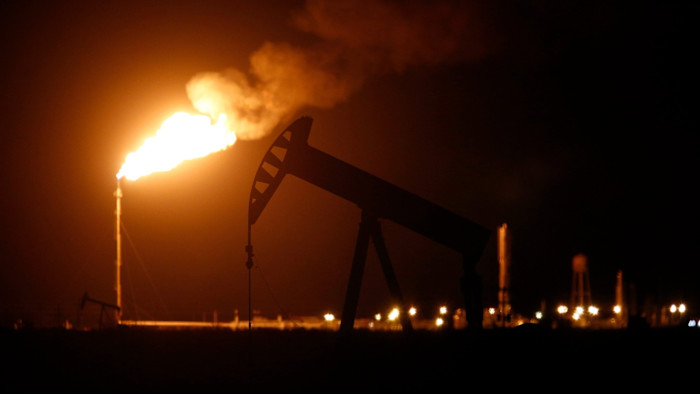

The geopolitical calculus of the US-Iran conflict has amplified volatility in energy markets, with ramifications extending far beyond the Persian Gulf. While the immediate focus remains on price fluctuations driven by supply shocks, the interplay between US policy and regional stability is reshaping sovereign capital allocation in the Middle East and North Africa (MENA). Saudi Arabia and the UAE, whose fiscal strategies hinge on oil-centric revenue, face intensified pressure to diversify their sovereign wealth fund portfolios amid Trump’s push for sub-$50 oil—a move that could destabilize long-term budget projections. Concurrently, the shale industry’s cyclical downturn in the US has underscored the fragility of capital-intensive sectors, a dynamic that MENA nations must navigate as they balance fossil fuel revenues with ambitions in renewable energy and industrial diversification.
Venture capital dynamics in MENA are increasingly influenced by global oil price volatility, yet the region’s emerging tech ecosystem remains contested. While US shale operators grapple with affordability-driven consolidation, MENA startups face a bifurcated landscape: reduced investment in oil-linked ventures is offsetting by heightened capital deployment in fintech and renewable energy. However, the specter of sustained price declines—fueled by US export-first policies—risks stifling R&D pipelines in green hydrogen and carbon capture, sectors where Gulf states are doubling down to overtake Europe as energy transition hubs. Institutional investors, wary of Trump’s election-year pragmatism, are hedging bets on MENA’s tech growth, prioritizing political stability over speculative tech bets, a cautionary tale for regions reliant on foreign capital.
Regional infrastructure projects in MENA hinge on the health of oil revenues, yet the current commodity price turbulence has triggered a strategic pivot. Countries like Egypt and Morocco are accelerating investments in liquefied natural gas (LNG) infrastructure and cross-border energy corridors, anticipating a post-peak oil era. Yet the US’s erratic trade policies, exemplified by its Iran-related sanctions and fluctuating tariff threats, have eroded confidence in transatlantic energy partnerships, complicating joint ventures critical to MENA’s maritime LNG exports. This uncertainty underscores the need for regional peers to explore alternative financing mechanisms, such as green bonds and diaspora investments, to insulate infrastructure spending from Middle East volatility.