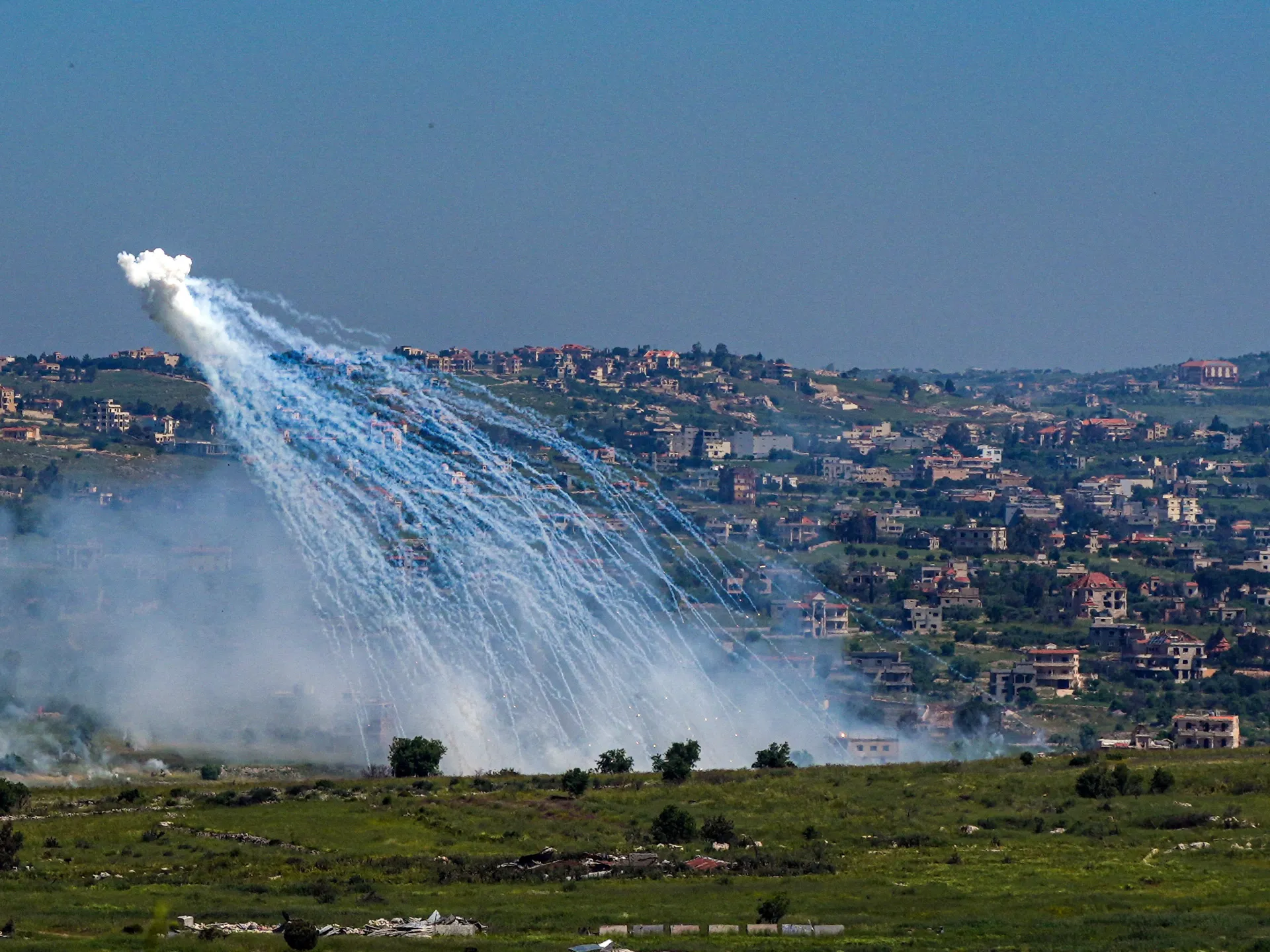
Hamas’s public appeal to Iran to refrain from striking neighboring states underscores the growing tension between Tehran’s strategic support for Palestinian factions and the broader imperative of preserving regional stability that underpins sovereign capital flows across the MENA. Analysts estimate that Iran has channeled tens of millions of dollars annually to Hamas, a figure that, while modest compared with GCC sovereign wealth fund allocations, carries outsized political weight and exposes Gulf investors to indirect geopolitical risk. Should Iranian missile or drone campaigns expand beyond Israel and the United States, the resulting escalation could trigger capital flight, raise risk premiums on sovereign bonds, and compel Gulf states to reassess exposure to ventures linked to Iran‑backed actors.
Qatar and Turkey remain the most significant non‑Iranian conduits of support to Hamas, albeit through distinct channels. Qatar’s financial assistance—framed as humanitarian and reconstruction aid—has historically covered civil‑service salaries, fuel, and basic infrastructure in Gaza, thereby indirectly sustaining the administrative capacity of Hamas’s governance. This assistance is mirrored by Qatar’s sovereign wealth fund, which has increasingly earmarked capital for regional infrastructure projects; any perception that such funds facilitate militant activity could invite heightened scrutiny from international partners and affect Qatar’s ability to attract venture capital in sectors such as fintech, logistics, and renewable energy. Turkey’s support, by contrast, leans more heavily on diplomatic backing and rhetorical endorsement under President Erdogan, with limited direct fiscal transfers, yet Ankara’s recent interception of an Iranian ballistic missile over its airspace signals a growing security burden that could divert defense spending away from productive investment.
The broader implication for the MENA investment landscape is a tightening of risk appetite across both sovereign and private capital. Heightened missile exchanges and the prospect of widened conflict threaten to disrupt critical trade corridors, increase insurance premiums for shipping and logistics, and deter venture‑capital‑backed startups in high‑growth sectors that rely on regional stability for scaling operations. GCC sovereign wealth funds, multilateral development banks, and regional development agencies are likely to prioritize defensive infrastructure—cybersecurity, hardened utilities, and contingency financing—to mitigate spillover effects. Market participants will continue to monitor the evolution of Iran‑Hamas dynamics, as any shift in Tehran’s tactical calculus could rapidly re‑price sovereign risk and reshape capital allocation strategies across the Middle East and North Africa.