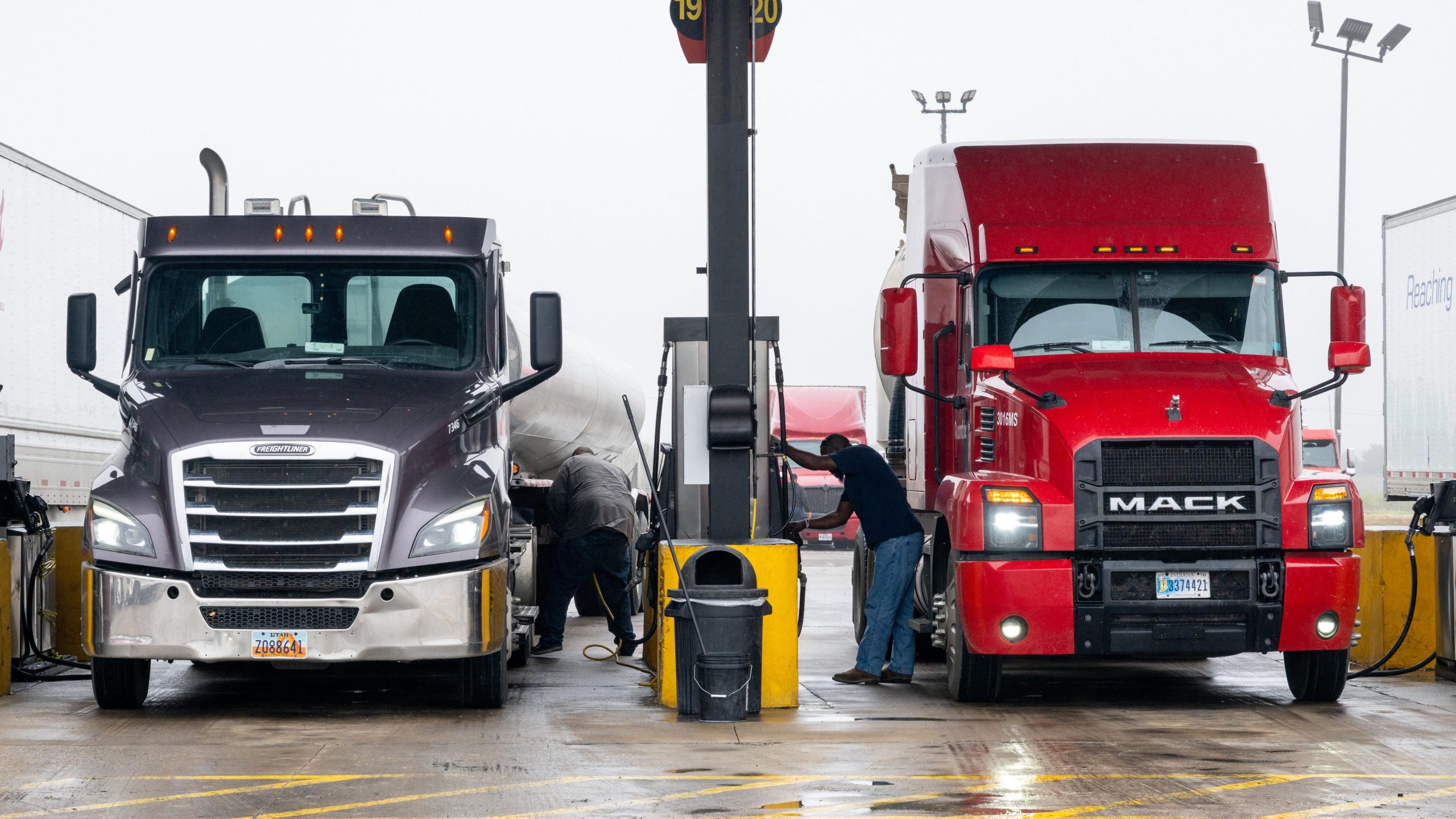

The escalating trajectory of global fuel costs presents a formidable economic headwind for the Middle East and North Africa (MENA), directly amplifying operational expenditures across critical sectors. Higher energy prices will disproportionately strain corporate margins in logistics-intensive industries – from maritime shipping and air freight to last-mile delivery – while simultaneously inflating the cost of agricultural production and input distribution. This cost inflation acts as a significant drag on regional competitiveness, particularly for nations reliant on imported foodstuffs and energy, necessitating strategic recalibration of business models, pricing strategies, and supply chain resilience measures to absorb these volatile input costs.
Sovereign capital dynamics within the region will undoubtedly shift in response. Gulf Cooperation Council (GCC) states, traditionally utilizing hydrocarbon revenues to fund vast infrastructure and diversification programs via sovereign wealth vehicles, face competing pressures. A portion of this capital may be redirected towards bolstering national energy security, including accelerated investment in renewables, hydrogen production, and nuclear power, to mitigate exposure to volatile global hydrocarbon markets and fuel price shocks. Concurrently, governments will likely increase subsidies or direct injections to shield strategic sectors like agriculture and transport from the full impact of inflated fuel costs, impacting fiscal balances and potentially slowing the pace of broader economic diversification efforts.
This cost inflation also catalyzes a significant pivot within the venture capital ecosystem across MENA. VC deployment vectors are increasingly aligning towards decarbonization technologies, energy-efficient logistics platforms, precision agriculture solutions, and supply chain optimization tools designed to mitigate fuel dependency. startups offering AI-driven route optimization, electrified fleet management, sustainable fuel alternatives, or data-driven agricultural practices stand to attract heightened investor interest as corporates and governments seek tangible solutions to the margin compression imposed by rising fuel expenses. The region’s maturing tech hubs are uniquely positioned to incubate ventures addressing these systemic economic pressures.
Fundamentally, the fuel price surge underscores an urgent infrastructural imperative across MENA. Investment in regional logistics hubs, integrated multimodal transport networks, and intra-regional trade corridors becomes paramount to reduce reliance on long-distance, fuel-dependent transport. Simultaneously, accelerating the deployment of renewable energy sources, green hydrogen infrastructure, and modernizing the electricity grid are critical for decoupling economic growth from hydrocarbon volatility. The infrastructure response to this pricing challenge will not merely mitigate costs but will define the competitive resilience and long-term economic trajectory of the entire MENA region.