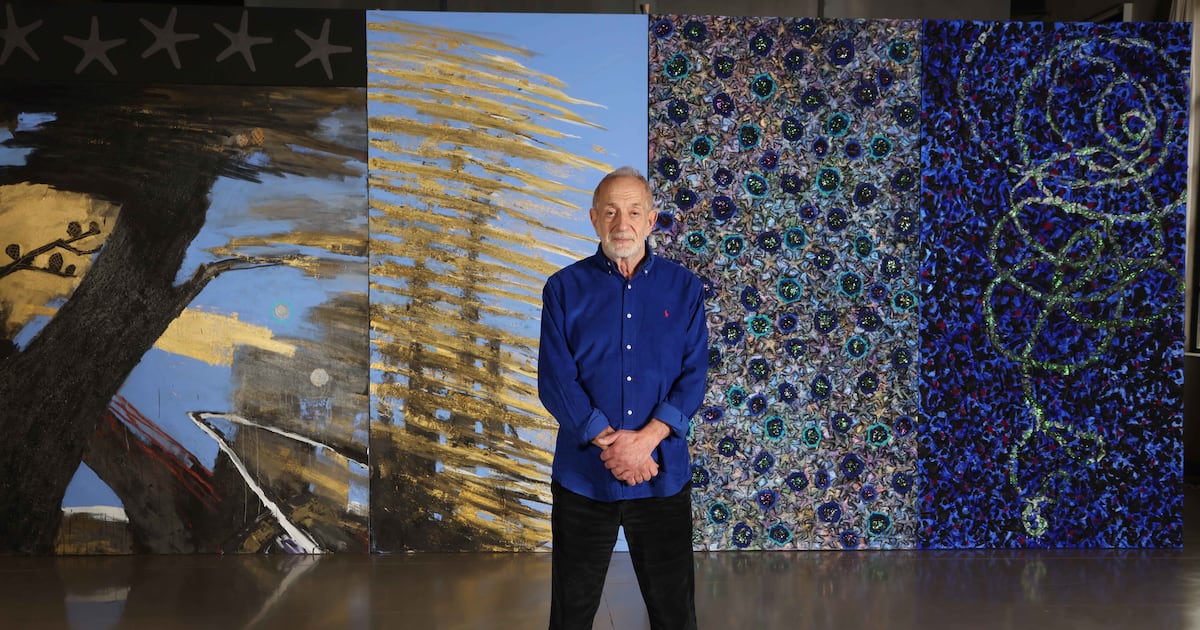

The Venice Biennale exhibition of Lebanese-American artist Nabil Nahas, curated by Nada Ghandour and titled “Don’t Get Me Wrong,” transcends its artistic merit to embody a significant sovereign capital deployment strategy for Lebanon. Amidst profound economic dislocation, the Lebanese state’s investment in this high-profile national pavilion within Venice’s Arsenale represents a deliberate recalibration of soft power infrastructure. This leverages cultural heritage – geometric abstraction inspired by layered civilizations – as a non-oil revenue generator and a tool for international reputation management, aiming to counteract the corrosive effects of domestic instability on foreign investment sentiment. The 45-meter immersive frieze becomes a strategic asset, projecting Lebanese cultural resilience and historical depth onto a global stage where sovereign wealth funds and international investors assess regional stability narratives.
Beyond sovereign strategy, Nahas’s showcase underscores burgeoning market opportunities within MENA’s evolving arts ecosystem. The participation of regional galleries, such as Dubai-based Lawrie Shabib, highlights the increasingly integrated cross-border art market and its potential economic multiplier effects. Investments in high-profile biennales stimulate ancillary revenues for hospitality, logistics, and specialized construction sectors within the UAE and other Gulf states hosting similar infrastructure. Simultaneously, this fuels regional venture capital interest in cultural technology startups developing immersive experiences, digital preservation platforms, and innovative art financing models. The complex, non-linear narrative structure of the work itself mirrors the fragmented but high-potential nature of the MENA cultural investment landscape, appealing to discernible VCs seeking exposure to alternative assets with historical depth.
The installation’s physical execution – leveraging scenography from regional studios like East Architecture and demanding advanced technical capabilities for monumental displays – directly implicates regional infrastructure readiness. Successfully delivering such a project signals MENA’s maturing capacity to execute complex, large-scale cultural productions, reducing reliance on external expertise. This enhances the region’s attractiveness for hosting future global cultural events, driving further investment in museum-grade venues, sustainable logistics networks, and specialized technical workforce development. The intersection of traditional geometric motifs with contemporary spatial design exemplifies how regional infrastructure is being engineered not just for function, but to project an advanced, globally competitive cultural narrative essential for diversified economic transformation.