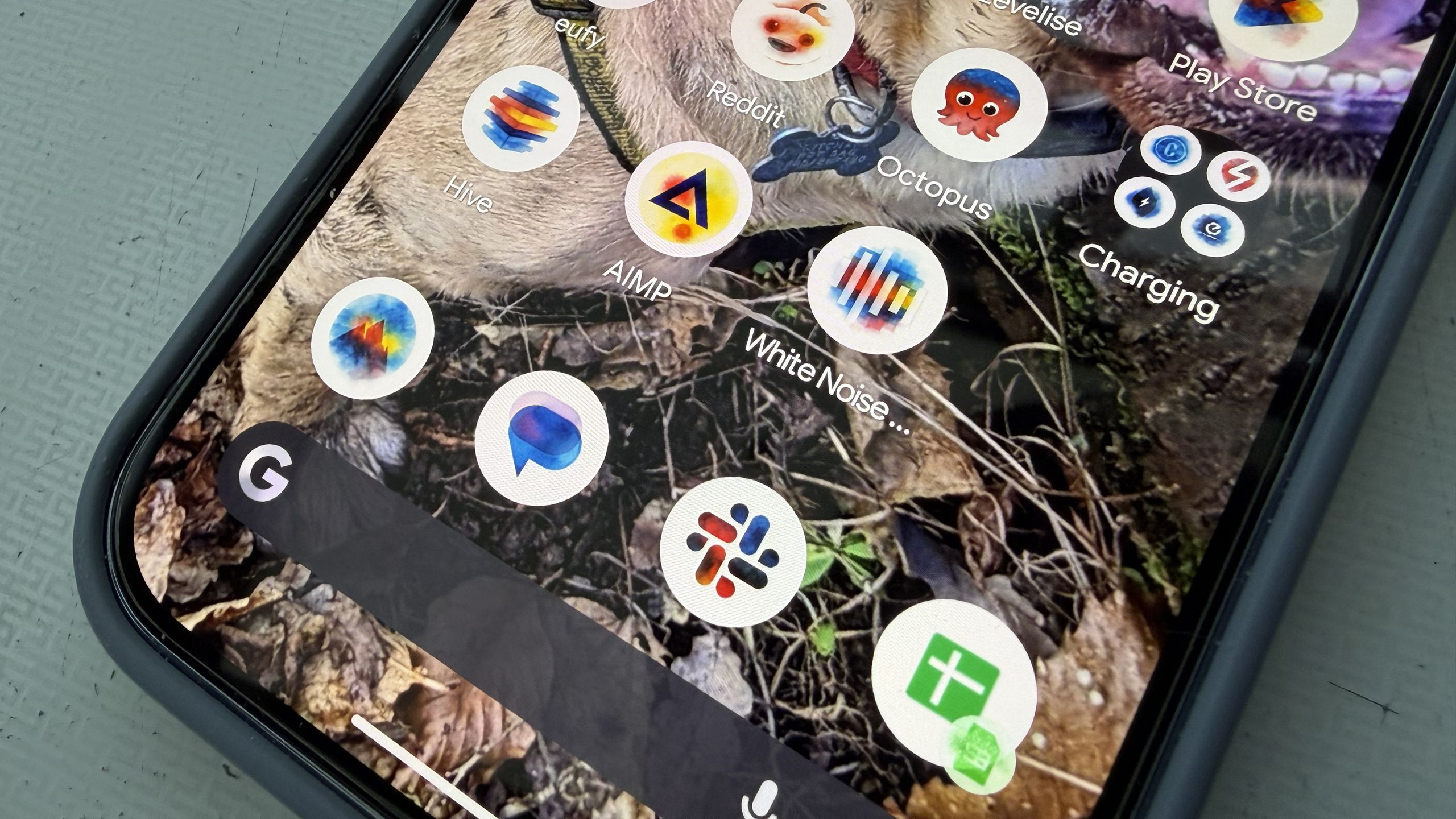

Google’s March Pixel Feature Drop, which introduces AI‑generated system icons through the Wallpapers & Style menu, signals a broader shift toward embedding generative AI directly into the mobile operating system. While the consumer‑facing novelty lies in the ability to create bespoke icon packs without third‑party launchers, the underlying technology reflects Google’s strategy to diffuse large‑model capabilities into everyday user interactions. For the MENA region, where smartphone penetration exceeds 80 % and mobile‑first digital services dominate, such OS‑level AI enhancements can accelerate the adoption of localized experiences—particularly when coupled with Arabic language models and culturally relevant design templates.
Sovereign investors across the Gulf have progressively earmarked capital for AI infrastructure and semiconductor initiatives, viewing consumer‑grade AI as a catalyst for data‑localization and edge‑computing demand. The public‑investment arms of Saudi Arabia’s Public Investment Fund, Abu Dhabi’s Mubadala, and Qatar’s Qatar Investment Authority have already committed billions to AI chip fabs, cloud regions, and national AI strategies. Features like Pixel’s AI‑driven icon generation increase the volume of on‑device inference workloads, thereby reinforcing the business case for sovereign‑backed investments in low‑latency 5G networks, regional cloud zones (e.g., Google Cloud’s Dammam and UAE data centers), and domestic AI talent pipelines.
From a venture‑capital perspective, the validation of generative UI customization by a major platform creates a tangible market signal for MENA‑based startups focused on AI‑assisted design, mobile theming, and app‑asset automation. Funds such as BECO Capital, Wamda Ventures, and Sequoia Capital’s India‑MENA practice have shown increasing appetite for seed‑stage ventures that leverage foundation models for creative workflows. Moreover, telecom operators—including STC, Etisalat Group, and Ooredoo—are launching corporate‑venture arms that could co‑invest alongside these funds in startups offering SDKs or APIs that enable developers to tap similar on‑device AI icon‑generation capabilities, thereby enriching the local app ecosystem.
The infrastructure implications extend beyond handsets: widespread deployment of on‑device AI features drives demand for specialized NPUs and AI accelerators, aligning with regional ambitions to build semiconductor design capabilities—witnessed by Saudi Arabia’s NEOM tech hub and the UAE’s Advanced Technology Investment Company. As Google and other OS vendors push more generative functions to the edge, telecom regulators and ministries of communications will need to ensure that spectrum allocation, data‑sovereignty frameworks, and cyber‑security standards keep pace. In sum, the Pixel AI icon feature, though modest in appearance, underscores a broader trend where consumer AI innovations translate into tangible strategic opportunities for sovereign capital, venture capital, and digital‑infrastructure development across the MENA region.