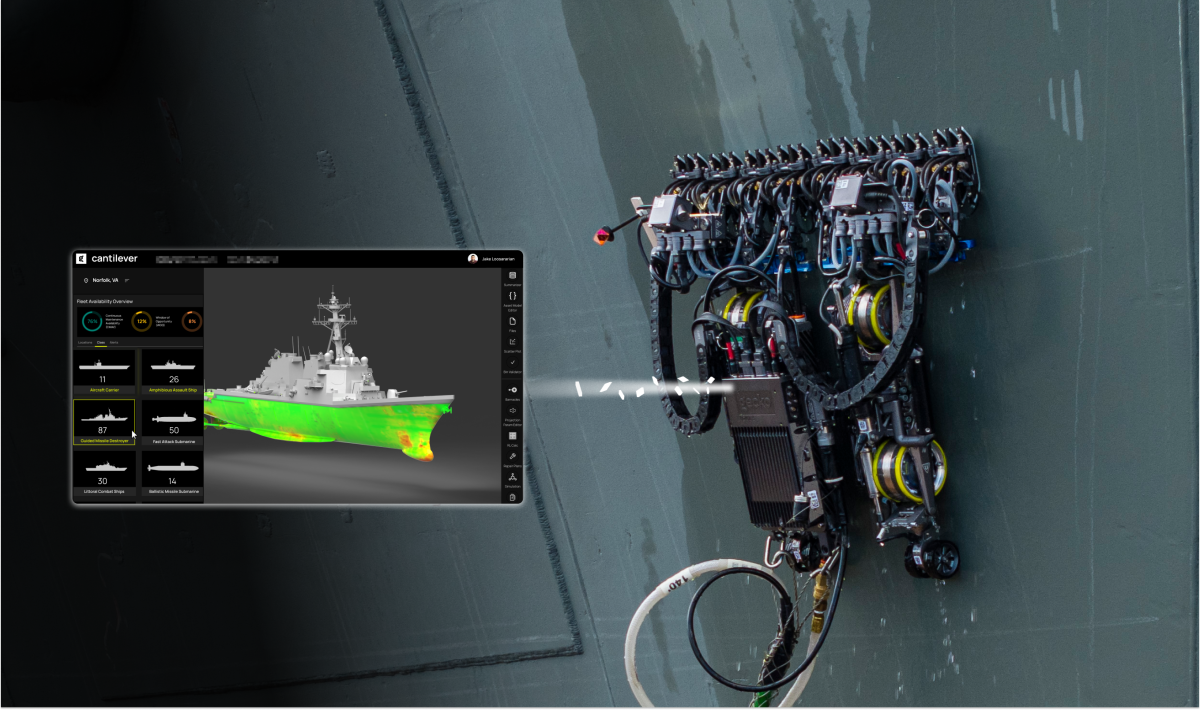

The U.S. Navy’s $54 million robotics contract with Gecko Robotics represents a strategic shift in asset management, with profound implications for global maritime infrastructure and defense spending. By deploying autonomous systems to monitor and maintain critical naval assets, the Navy aims to reduce maintenance costs and improve fleet readiness, a model that could resonate across the Middle East and North Africa (MENA) region. For sovereign states in the region, this highlights the growing priority of investing in advanced technologies to optimize infrastructure resilience, particularly in sectors reliant on complex, high-value assets. The deal underscores how automation and data-driven maintenance are becoming non-negotiable for maintaining operational efficiency in an era of rising geopolitical tensions and economic pressures.
Sovereign capital in the MENA region faces mounting challenges in balancing fiscal discipline with the need to modernize infrastructure. Countries like Saudi Arabia and the UAE have already prioritized tech-driven solutions for port operations, energy distribution, and transportation networks. The Gecko-Navy partnership exemplifies a broader trend where governments leverage private-sector innovation to reduce long-term liabilities associated with aging infrastructure. For MENA nations, such collaborations could unlock opportunities to attract foreign investment in robotics and AI while mitigating risks tied to manual maintenance processes. This aligns with regional efforts to transition from resource dependency to a more diversified, technology-enabled economy, positioning sovereign wealth funds as key players in funding these transformative projects.
The venture capital landscape in the MENA region is beginning to mirror the U.S. Navy’s approach, with increased investment in robotics, IoT, and predictive analytics startups. Gecko’s success in securing a multi-year contract highlights the growing market potential for industrial automation, a trend that could spur similar innovations in MENA. Venture capital firms in the region are increasingly targeting sectors like maritime logistics, energy infrastructure, and smart cities, where digital twin technologies and sensor networks offer scalable solutions. However, the region still lags in deploying these technologies at scale, partly due to regulatory barriers and a lack of venture capital interest in deep-tech ventures. Addressing this gap will require stronger public-private partnerships and targeted investment to ensure MENA remains competitive in a rapidly evolving technological landscape.