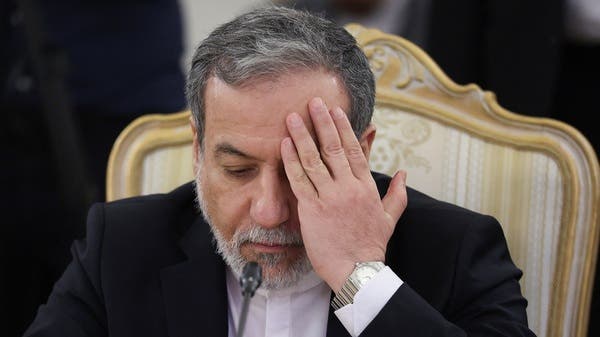

Iranian Foreign Minister Abbas Araghchi attends a meeting with his Russian counterpart in Moscow on December 17, 2025. (AFP)
The ongoing conflict in the Middle East has significant implications for regional infrastructure development and sovereign capital flows, with Tehran’s hardline stance likely to influence major investment decisions across the MENA region. Foreign Minister Abbas Araghchi’s statements underscore Iran’s commitment to maintaining control over critical maritime chokepoints, particularly the Strait of Hormuz, which handles approximately 20% of global oil shipments. This strategic positioning could create both volatility in energy markets and opportunities for alternative trade routes, potentially benefiting Gulf investment hubs that are actively diversifying beyond fossil fuel-dependent logistics infrastructure.
The diplomatic developments carry substantial weight for sovereign wealth funds and institutional investors monitoring regional stability. Iran’s position on ensuring “definitive” terms for any potential ceasefire signals a protracted conflict scenario that could drive defensive investment strategies among GCC nations’ sovereign capital vehicles. Market analysts suggest this may accelerate infrastructure spending in Red Sea ports and pipeline networks as alternatives to Strait of Hormuz routes become increasingly valuable strategically. The willingness of Tehran to escalate tensions with both the United States and Israel indicates a complex geopolitical landscape where regional infrastructure development must account for multiple military contingencies.
For technology and venture capital ecosystems across the MENA region, these tensions are reshaping investment priorities. Cybersecurity infrastructure, advanced surveillance systems, and autonomous maritime technologies are seeing increased venture funding as nations prepare for potential disruptions to traditional shipping lanes. Additionally, sovereign investors from outside the region are reassessing capital allocation strategies, with some redirecting funding toward more stable African trade corridors while others see opportunities in providing technology solutions for enhanced security in Gulf maritime operations. The conflict’s trajectory will likely determine whether the Middle East continues its push toward becoming a global technology and logistics hub or whether regional infrastructure development faces renewed uncertainty.