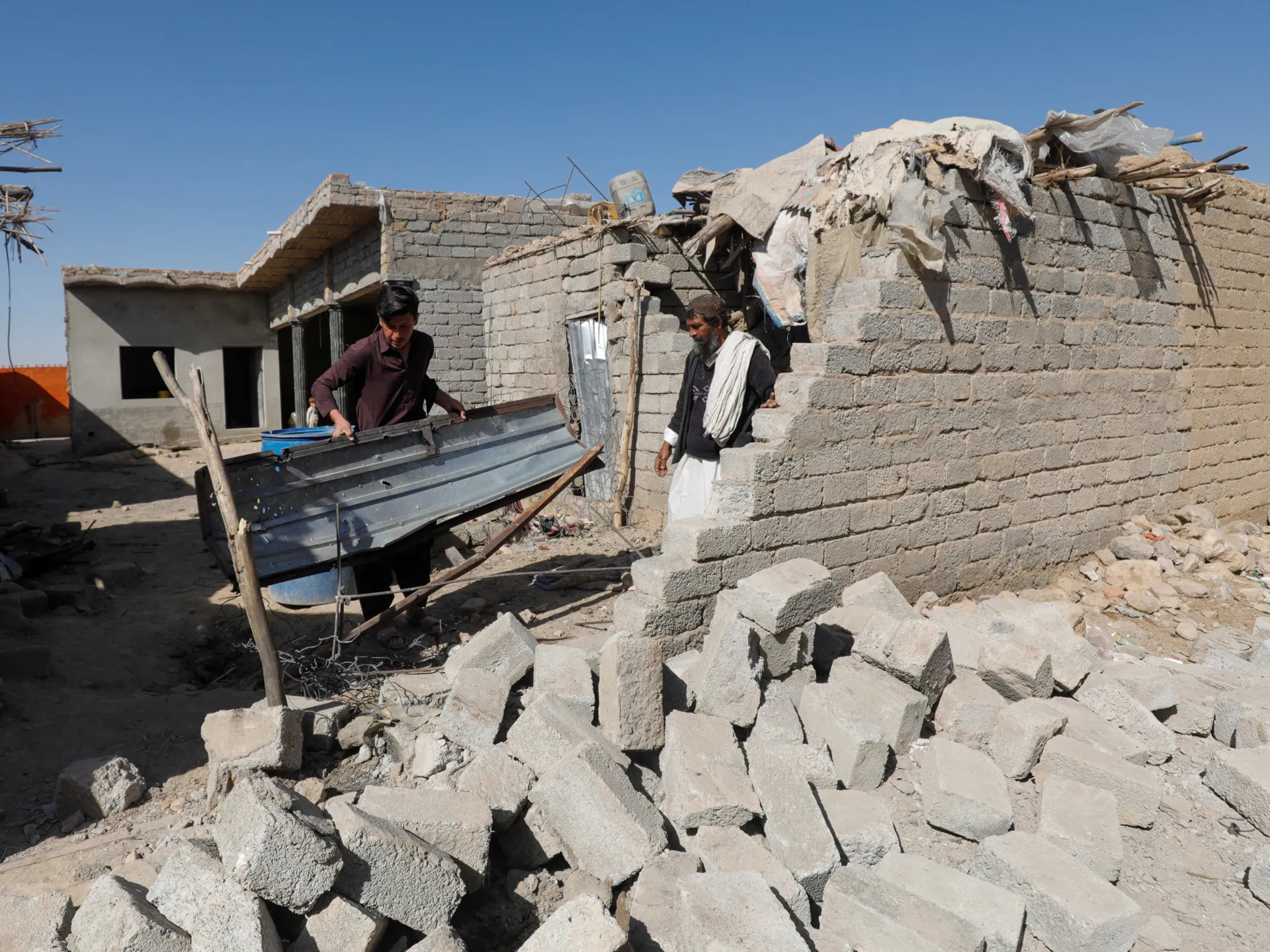

The recent incursions of low‑cost, weaponised quadcopters into Pakistan’s garrison cities and religious sites exemplify a paradigm shift in asymmetric warfare that is rapidly permeating the Middle East and North Africa. As non‑state actors acquire commercially sourced loitering munitions, the traditional calculus of deterrence gives way to a pervasive, low‑yield but high‑frequency threat capable of striking urban centres and critical infrastructure with minimal expense.
For sovereign treasuries, the emergence of swarm‑capable drones compresses defence budgets and forces a re‑allocation of fiscal resources toward resilient air‑defence architectures and hardened civil‑ aviation controls. The resulting fiscal strain elevates sovereign risk premiums, prompting rating agencies to reassess the credit outlook of countries on the periphery of the conflict, thereby influencing sovereign bond yields and foreign exchange stability across the MENA region.
Venture capital is increasingly flowing into counter‑drone technologies—ranging from AI‑driven detection algorithms to kinetic and non‑kinetic interception platforms—sparring nascent ecosystems in the Gulf and Levant. These investments not only accelerate indigenous capability development but also create strategic partnerships between defense ministries and private‑sector innovators, fostering a nascent defence‑technology export market that could diversify regional economic portfolios.
The broader infrastructure ramifications are profound: energy grids, logistics hubs and telecom networks must be engineered to withstand intermittent drone‑induced disruptions, necessitating substantial capital expenditures and robust continuity planning. As governments grapple with these challenges, the cost of capital for critical projects rises, underscoring a direct link between emerging security threats and the trajectory of sovereign and private investment in the region’s long‑term economic architecture.