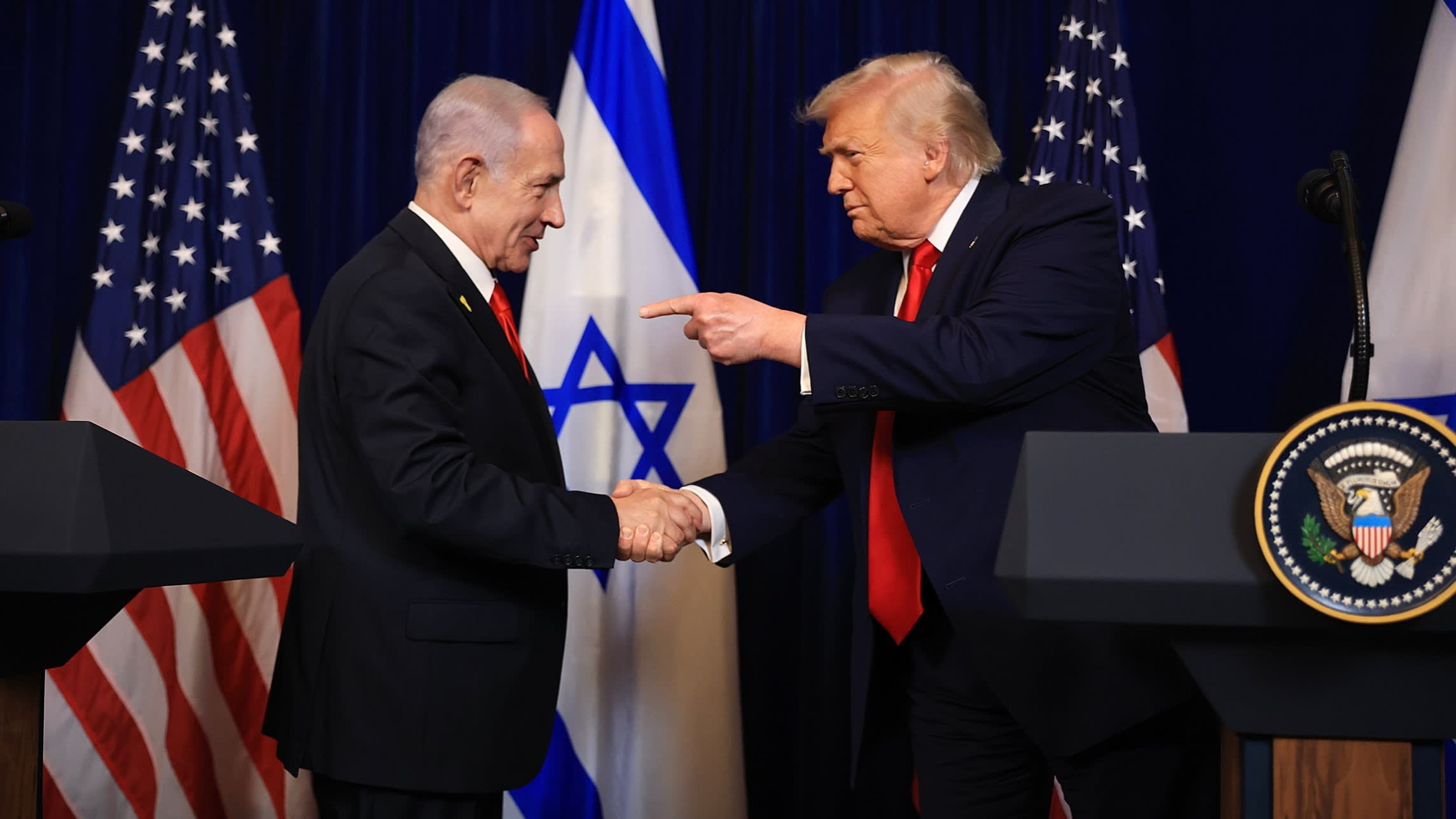

For decades, Israeli prime ministers have pursued a strategy of tethering United States policy to a hardline stance against Iran, framing Tehran’s regional ambitions as an existential threat that warrants sustained American engagement. This diplomatic calculus has not only shaped security discourses but also redirected economic calculations across the Middle East and North Africa, where governments and investors recalibrate exposure to geopolitical risk in line with Washington’s posture toward Tehran.
The consequent alignment, or anticipation thereof, has prompted sovereign wealth funds in the Gulf to reassess asset allocations. Increased defense budgets and heightened precautionary savings have led to a rebalancing toward liquid, low‑correlation holdings, while portions of oil‑derived revenues are earmarked for contingency reserves. At the same time, sovereign investors are scrutinizing opportunities in sectors perceived as insulated from sanction spillovers—such as renewable energy, water technology, and logistics—driving capital toward projects that can sustain growth irrespective of heightened US‑Iran tensions.
Venture capital activity mirrors these sovereign shifts. Israeli startups, long beneficiaries of close US ties, continue to attract cross‑border capital, yet investors from the UAE and Saudi Arabia are increasingly demanding stricter due diligence on geopolitical exposure before committing funds to dual‑use technologies. Conversely, funds domiciled in Bahrain and Qatar are channeling capital into regional fintech and health‑tech ventures that promise diversification away from security‑centric ecosystems, reflecting a broader VC trend toward de‑risking amid potential escalation.
On the infrastructure front, the prospect of a prolonged US‑Iran confrontation accelerates calls for resilient, multipolar logistics networks. Governments are prioritizing alternative trade corridors—such as the Israel‑UAE‑Saudi rail link and expanded Red Sea port capacities—to mitigate dependency on routes vulnerable to sanctions or naval blockades. Digital infrastructure investments are likewise being steered toward sovereign‑controlled cloud and cybersecurity platforms, ensuring continuity of critical services should regional tensions disrupt conventional supply chains. These moves collectively underscore a strategic pivot: leveraging sovereign and private capital to build economic buffers that can endure the strategic ripple effects of a US‑anchored Iran confrontation.