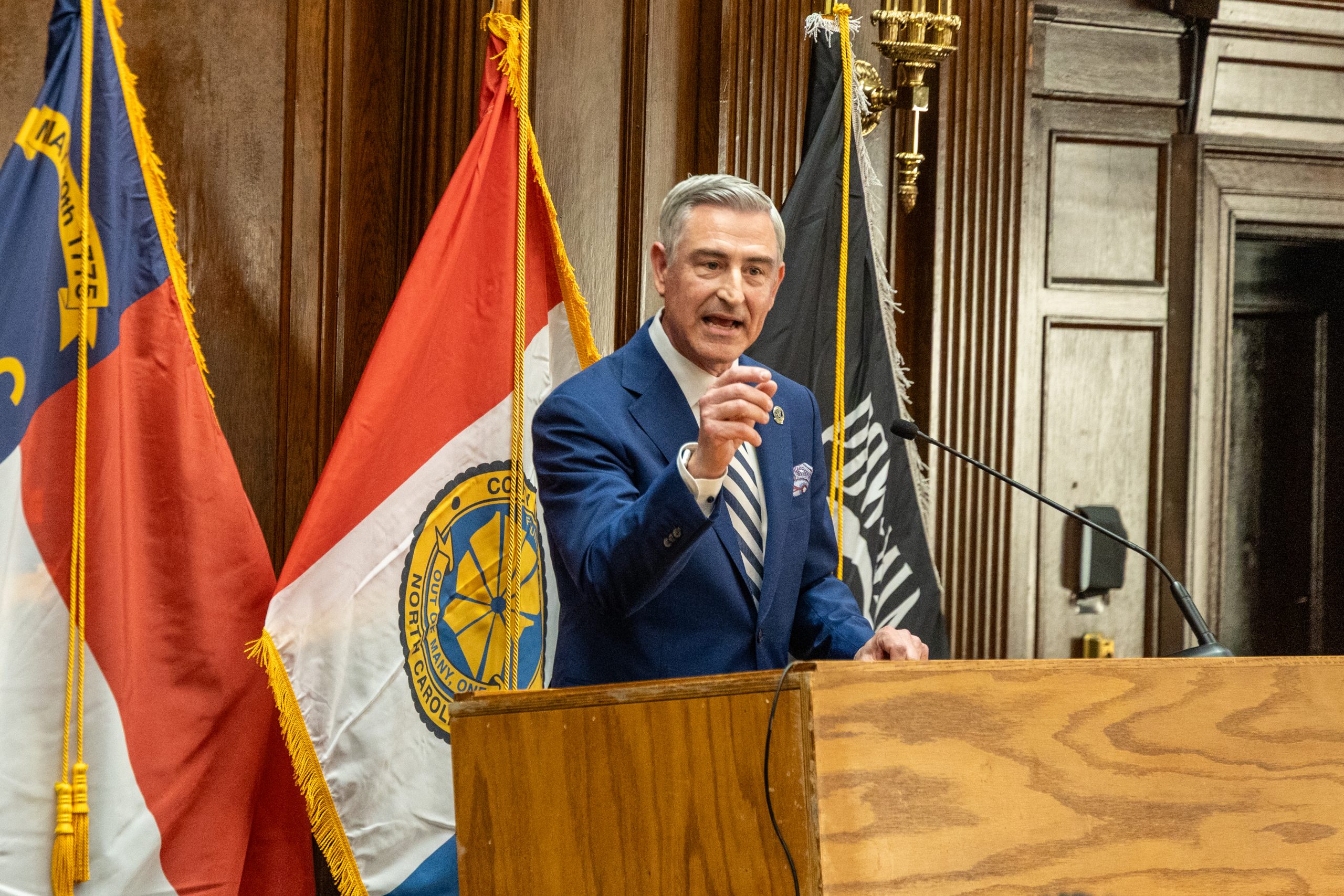

Cumberland County’s Vision 2030 initiative, spearheaded by Chair Kirk deViere, presents a compelling case study in strategic regional transformation, particularly through the lens of MENA-inspired sovereign capital deployment and infrastructure-led economic development. The plan’s core focus on developing economic corridors around the Fayetteville Regional Airport and Crown Complex directly mirrors successful models prevalent in Gulf states, where targeted infrastructure projects catalyze private investment and diversify revenue streams beyond traditional sectors. This approach, leveraging significant public capital commitments exceeding $260 million for water infrastructure alone, demonstrates the critical role of sovereign-backed initiatives in de-risking large-scale projects and positioning a region for long-term growth—a dynamic increasingly replicated across MENA as countries accelerate non-oil economic agendas.
The integration of advanced technology and human capital development within Vision 2030 aligns with MENA’s burgeoning venture capital ecosystem focused on defense technology, cybersecurity, and AI. By establishing a regional “innovation corridor” connecting Fort Bragg, educational institutions, and private partners, the county creates a hub attracting specialized venture capital, mirroring the strategic clustering seen in Dubai’s free zones or Riyadh’s tech districts. The planned state-of-the-art aquatic center and Crown Entertainment Campus serve as dual-purpose assets: enhancing quality of life to attract talent while simultaneously anchoring commercial real estate developments and tourism revenues—a formula proven effective across MENA, where integrated lifestyle and entertainment precincts drive economic multipliers and high-value job creation.
Ultimately, Vision 2030’s success hinges on replicating MENA’s sophisticated infrastructure finance models, particularly through Public-Private Partnerships (PPPs) and leveraging sovereign wealth funds for long-term asset management. The ambitious water infrastructure program, addressing critical public health needs while securing regional water resources, underscores the importance of sovereign capital in mitigating systemic risks—a central concern for MENA investors facing heightened climate-related volatility. As the county positions itself as a “national model for military-connected community development,” the initiative provides a replicable blueprint for MENA nations seeking to capitalize on defense ecosystems, highlighting the convergence of strategic military assets, human capital investment, and sovereign-backed infrastructure as the cornerstone of next-generation economic resilience.