
Analyzing the geopolitical ramifications of recent hostile incidents along the energy frontlines of the Middle East and North Africa, it becomes evident that these developments extend far beyond localized physical damage. The ramifications cascade into the sovereign capital of strategic investments, reshape capital flows that govern regional markets, and accelerate shifts in sovereign investor psychology.
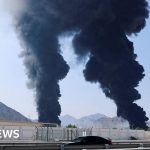
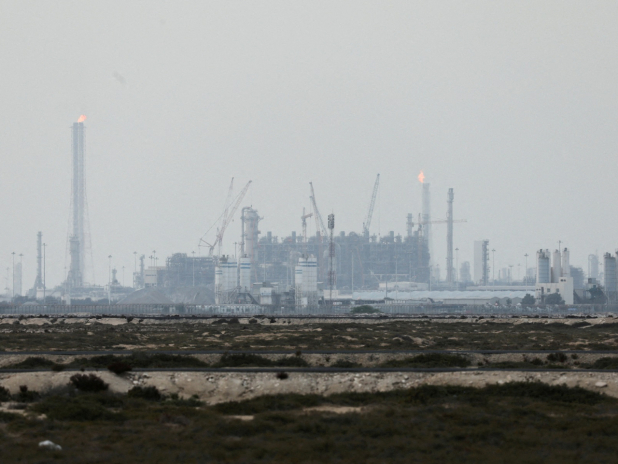
In the immediate wake of the Iranian missile strikes upon the critically important Ras Laffan LNG complex—an asset whose operational integrity underpins a major pillar of global natural gas supply—the ripple effects are palpable. While no casualties have been reported, the stability of this energy nexus is now under intense scrutiny. The coordinated collapse of key facilities across the Gulf—either via direct attack or retaliatory measures—serves as an acute signal of escalation, directly influencing sovereign capital allocation and the appetite of foreign investors for exposure in volatile markets. Limited growth trajectories for gas-linked sovereign wealth funds are materially threatened should these sites remain disrupted.
Venture capital ecosystems within the region are also acutely attuned to such developments. The latest convergence of energy tensions has pricked investor confidence in the nascent stages of clean energy transitions, especially as sovereign debates weigh short-term gains versus long-term resilience. The cessation or disruption of gas infrastructure by regional actors will thus act as a decisive filter for capital mobilization in the green pivot space of the MENA economy.
Furthermore, under the shadow of these strategic showings of force, regional infrastructure projects intensify urgency. Projects purporting to safeguard critical assets—be they pipelines, storage facilities, or control centers—are being fast-tracked by developmental authorities. This accelerated planning reflects a pragmatic recalibration, designed not solely to circumvent migratory economic risk but to cement control in a region where energy identity now represents both vulnerability and opportunity. The convergence of geopolitical intent, sovereign caution, and capital appetite will ultimately redefine the developmental narrative for the Middle East and North Africa for years to come.