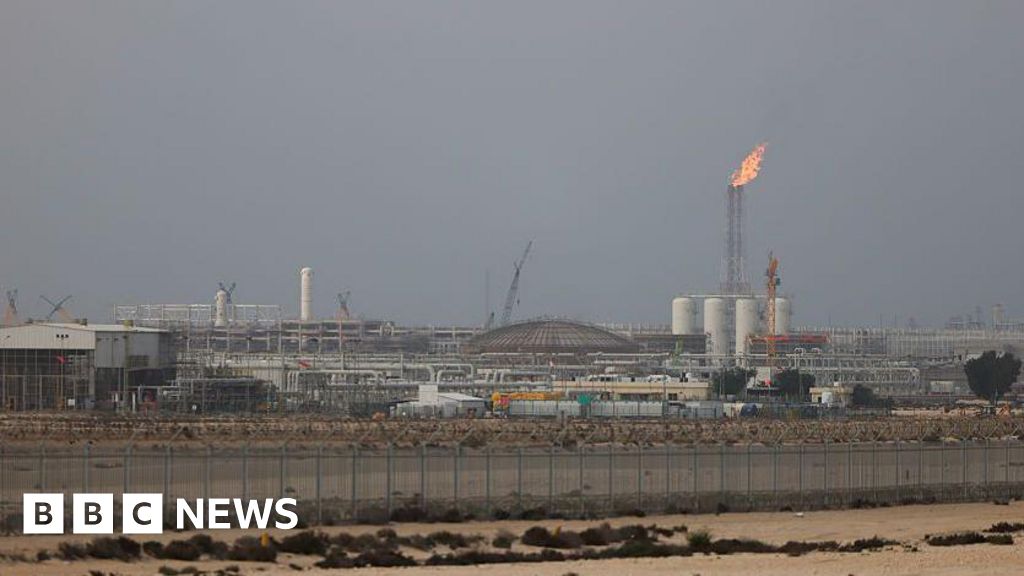

The escalating tensions between Iran and Qatar, culminating in reported damage to an energy industry site in Qatar following a retaliatory action, presents a significant near-term risk profile for the Middle East and North Africa (MENA) region’s economic stability and investment climate. While the immediate focus remains on the conflict’s geopolitical implications, the business impact stemming from this incident is considerable, particularly for energy sector players and those involved in related infrastructure development. The potential for further disruptions to energy supplies, coupled with increased security concerns, will undoubtedly deter foreign investment and impact long-term projects across the region.
This event underscores the delicate balance of sovereign capital deployment and the growing role of venture capital in the region. Diversifying investment portfolios away from politically sensitive areas, such as those heavily reliant on energy exports or close to geopolitical fault lines, is becoming increasingly prudent for institutional investors. The ripple effect is already felt in the venture capital landscape, with a shift towards sectors perceived as less susceptible to conflict and offering greater long-term growth potential – typically technology, fintech, and renewable energy – where the geopolitical risks are less pronounced. Furthermore, the incident highlights the need for enhanced regional infrastructure security measures, particularly in energy production and transportation networks.
The situation directly impacts regional infrastructure investment, a key driver of economic growth in MENA. Projects focused on energy pipelines, LNG terminals, and strategically important ports are vulnerable to disruption, potentially delaying completion and escalating costs. Sovereign wealth funds, already grappling with strategic allocation challenges in a volatile global environment, will need to re-evaluate their exposure to high-risk assets. The incident may accelerate the adoption of more resilient infrastructure designs and security protocols, potentially leading to increased capital expenditure in the medium term. This heightened focus on security and resilience contrasts with the prioritization of rapid infrastructure development that has characterized previous periods of regional growth.
Ultimately, the protracted nature of this conflict carries significant implications for regional energy market dynamics. Beyond immediate supply disruptions, the incident exposes the vulnerability of existing energy infrastructure and the reliance of the region’s economic prosperity on relatively concentrated resources. A more diversified energy portfolio, encompassing renewable energy sources and enhanced energy efficiency, will be crucial for mitigating future risks and ensuring sustainable economic growth. The event will likely fuel a renewed focus on cybersecurity and physical security measures across the energy sector, demanding greater collaboration between governments, industry players, and international law enforcement to safeguard critical assets and maintain regional energy security.