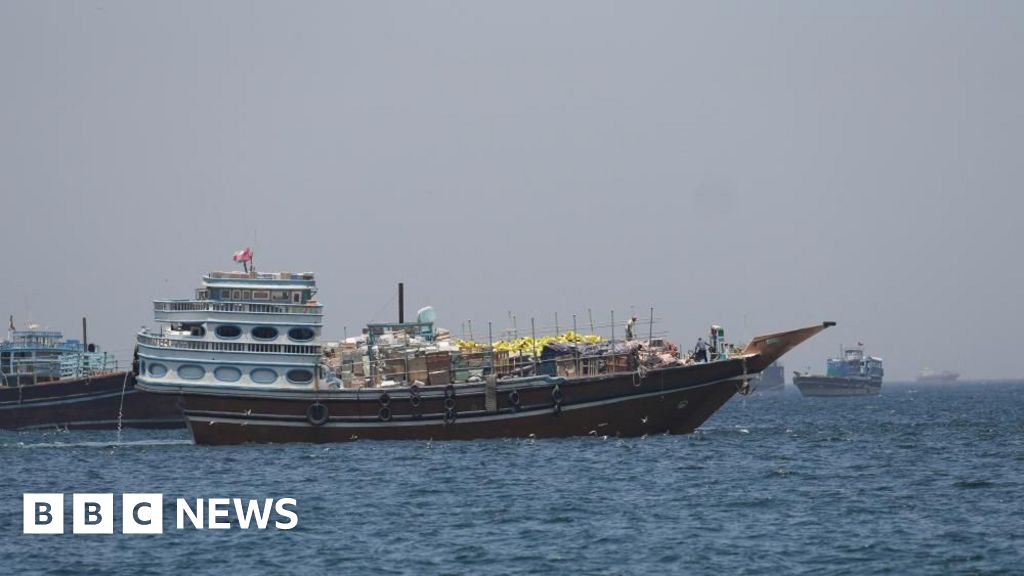

The ongoing conflict in the Middle East, initiated by Israeli military action against Iran on 28 March 2026, presents profound business and strategic implications for the region, demanding urgent reassessment of sovereign capital deployment, venture capital opportunities, and critical infrastructure resilience. Japan and South Korea, major importers of Middle Eastern hydrocarbons, find themselves under significant US diplomatic pressure to contribute naval assets to the now-de facto closed Strait of Hormuz. This pressure forces Tokyo and Seoul to navigate complex legal and strategic dilemmas, potentially impacting global energy markets and regional stability. For MENA economies reliant on stable oil exports and energy infrastructure, the escalation underscores the vulnerability of maritime chokepoints and necessitates immediate, proactive diversification and security investment.
Japan’s consideration of warship deployment, despite its pacifist constitutional constraints, and South Korea’s analogous predicament, highlight the acute dependency on secure Middle Eastern energy supplies. Approximately 70% of Japan’s oil imports and a similar proportion of South Korea’s pass through the Strait of Hormuz. This dependency forces sovereign entities in both allied nations to weigh collective security commitments against domestic economic pressures and the imperative to protect national interests. The resulting uncertainty could trigger volatility in energy prices, directly impacting MENA sovereign wealth funds (SWFs) and their investment strategies in global energy equities and related infrastructure. Concurrently, the crisis may accelerate MENA sovereign capital towards enhanced regional energy security initiatives, including strategic stockpiles, pipeline diversification, and investment in liquefied natural gas (LNG) terminals outside vulnerable chokepoints.
The geopolitical tension opens distinct venture capital avenues, particularly in digital transformation and security solutions. MENA governments and regional SWFs are likely to increase funding for fintech innovations aimed at optimizing energy trading and logistics under constrained supply chains. Moreover, there is potential for accelerated investment in cybersecurity for critical infrastructure (ports, pipelines, refineries) and autonomous maritime surveillance technologies to bolster regional maritime domain awareness and protect vital sea lanes. The need for resilience against systemic supply chain shocks presents a compelling case for venture capital in agritech for water-stressed regions, renewable energy integration to reduce hydrocarbon dependency, and advanced logistics platforms capable of reconfiguring trade routes. The crisis thus acts as a catalyst for MENA’s technological advancement, positioning sovereign VC and strategic partnerships at the forefront of regional economic diversification and infrastructure modernization.