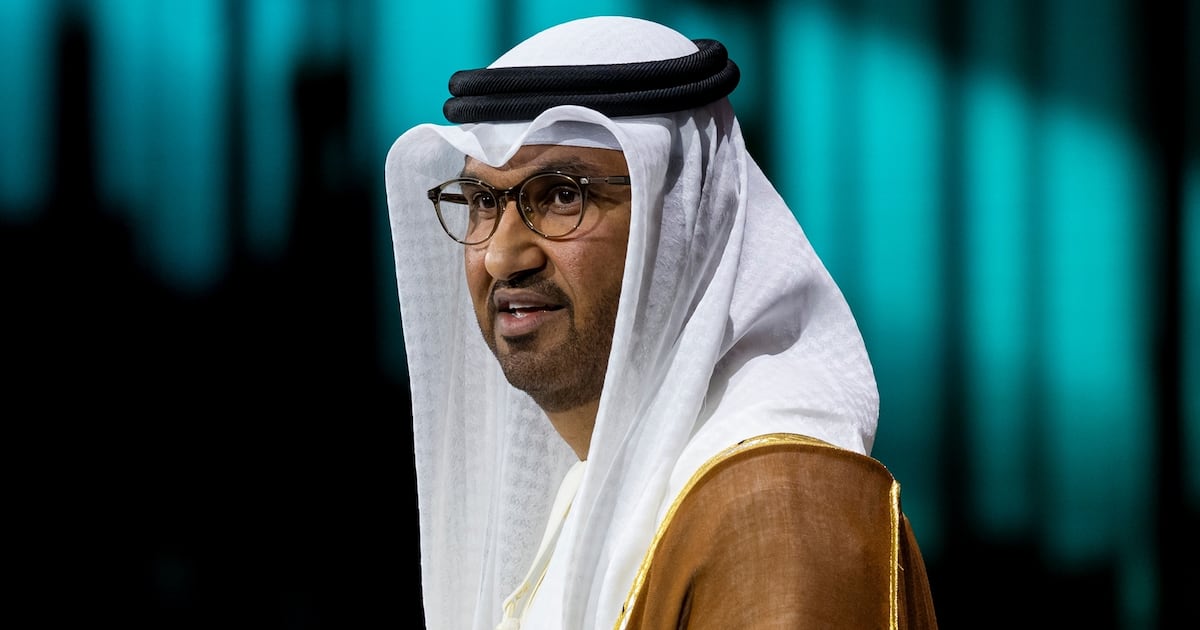

The recent escalation of attacks targeting energy infrastructure within the Persian Gulf represents a significant and destabilizing development with profound implications for global financial markets and regional economic architecture. Dr. Sultan Al Jaber, UAE Minister of Industry and Advanced Technology and ADNOC managing director, has rightly characterized these actions as “global economic warfare,” underscoring the deliberate weaponization of energy supplies. This is not merely a regional security concern; it directly threatens the stability of international trade, supply chains, and inflationary pressures.
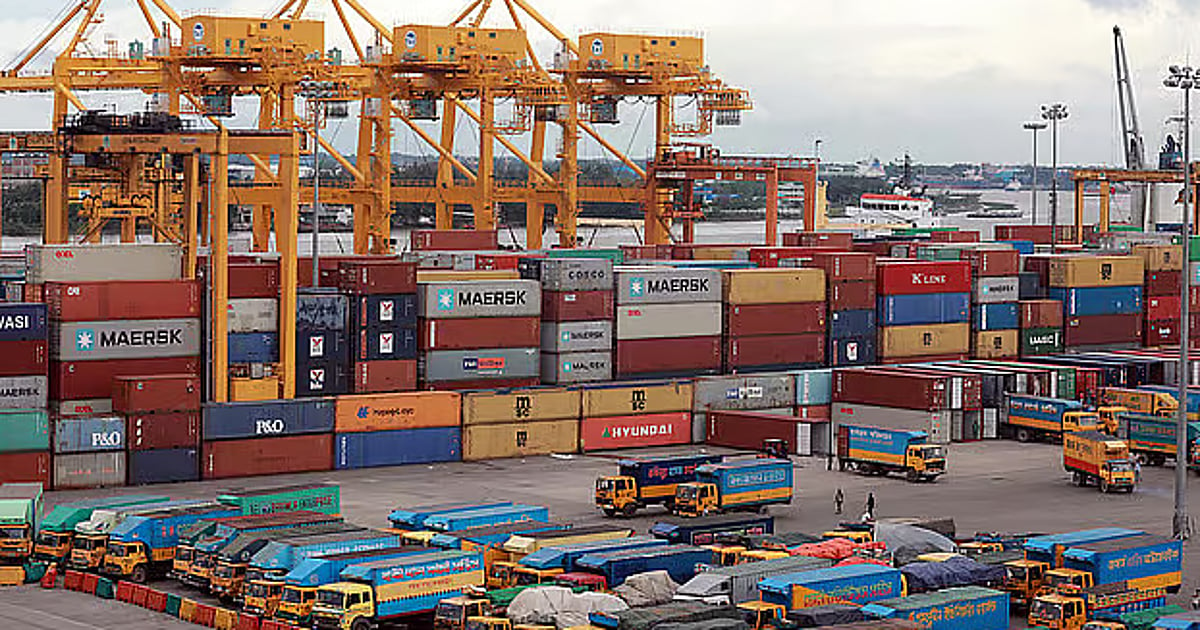
From a business perspective, the disruption to critical energy facilities like those operated by ADNOC is creating immediate volatility in oil and gas markets. Increased geopolitical risk premiums are likely to translate into higher energy costs for consumers and businesses worldwide, impacting profitability across numerous sectors. Furthermore, the attacks pose a substantial risk to ongoing and planned infrastructure investments across the MENA region. Sovereign wealth funds, a crucial driver of regional economic growth and a significant source of capital for infrastructure projects, will likely exercise greater caution, potentially slowing down vital developments in energy transition, transportation, and technology. This could hinder the long-term economic diversification goals of many Gulf states.
The implications for venture capital are also considerable. While the region has witnessed a surge in tech investment, the current instability introduces uncertainty, potentially diverting capital away from high-growth sectors towards more defensive assets. Existing investments in energy technology and related fields may face increased scrutiny and valuation adjustments. The long-term impact on attracting foreign direct investment, particularly in sectors reliant on stable energy supplies and infrastructure, warrants careful consideration. A prolonged period of instability could significantly impede the region’s ambition to become a global hub for innovation and technological advancement, a key pillar of its economic diversification strategy.
Beyond the immediate economic ramifications, the attacks raise serious concerns about regional infrastructure resilience and the potential for long-term disruption. The targeting of civilian energy facilities highlights vulnerabilities and necessitates a reevaluation of security protocols and investment in robust protection measures. International collaboration and de-escalation efforts are paramount to preventing further damage to critical infrastructure and ensuring the continued flow of energy to global markets. Failure to achieve a resolution risks not only sustained economic instability but also broader geopolitical consequences with ramifications far beyond the Middle East and North Africa.